.webp)
How Fashion Brands Create Campaign and Lookbook Imagery Without a Photoshoot
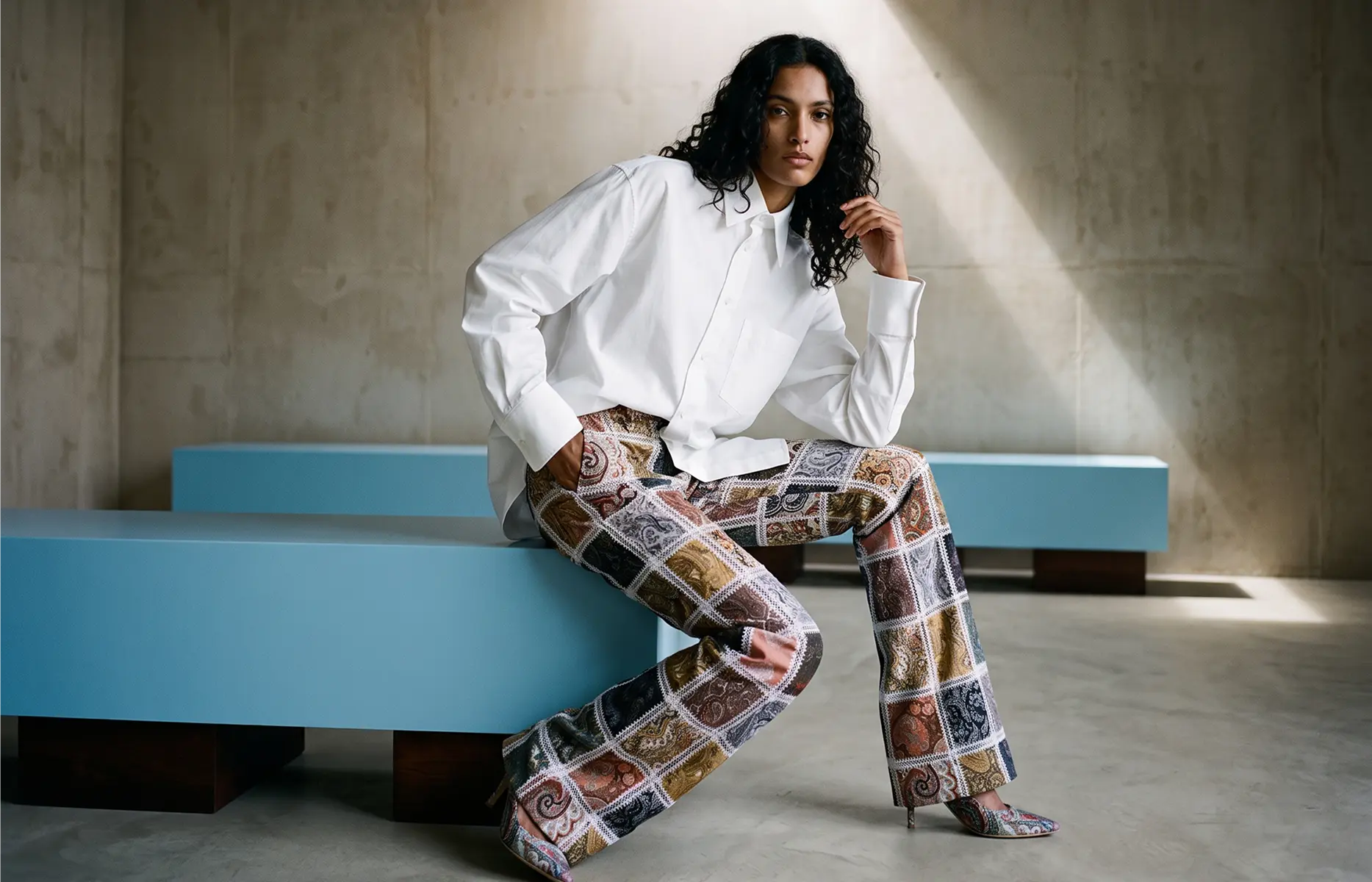
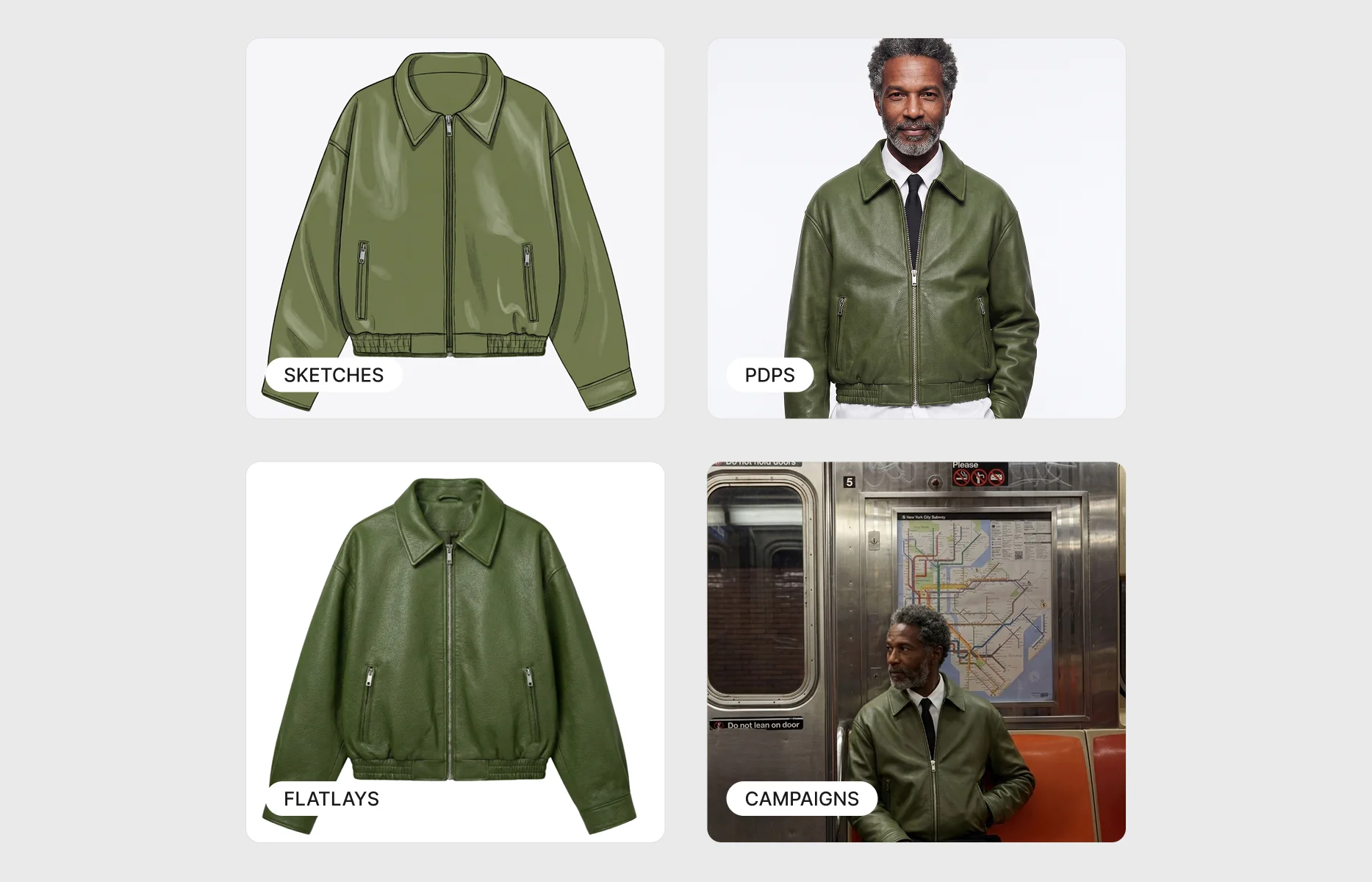
In short: fashion brands create campaign and lookbook imagery without a photoshoot by generating editorial visuals from inputs they already hold, such as packshots, flat lays, and existing on-model imagery, styled on the brand's own AI avatars with its lighting and art direction. This lets teams produce lookbooks, campaign visuals, and seasonal editorial at a pace and cost that a full production could not match, while keeping creative control in-house. Graswald AI supports editorial and campaign content within the same workflow brands use for their product imagery.
Campaign and lookbook imagery has always been the expensive end of fashion production. A shoot needs a concept, a location or set, models, a crew, samples that arrive on time, and a post-production window, and it produces a finite set of images for one moment in the calendar. For the hero campaign of the season, that investment is justified. The problem is everything else: the secondary campaigns, the channel-specific editorial, the market variations, and the seasonal refreshes that never quite earn their own shoot but still need to look the part.
This guide sets out how brands are producing campaign and lookbook imagery without commissioning a shoot for every one, what that approach is good for, and where a traditional shoot still earns its place.
How do fashion brands create campaign and lookbook imagery without a photoshoot?
They generate it from the inputs and the brand setup they already have. Rather than staging a new production, a brand takes existing material, packshots, flat lays, or on-model imagery, and generates editorial visuals against a setup calibrated to its identity: its avatars, its lighting, its styling, its art direction.
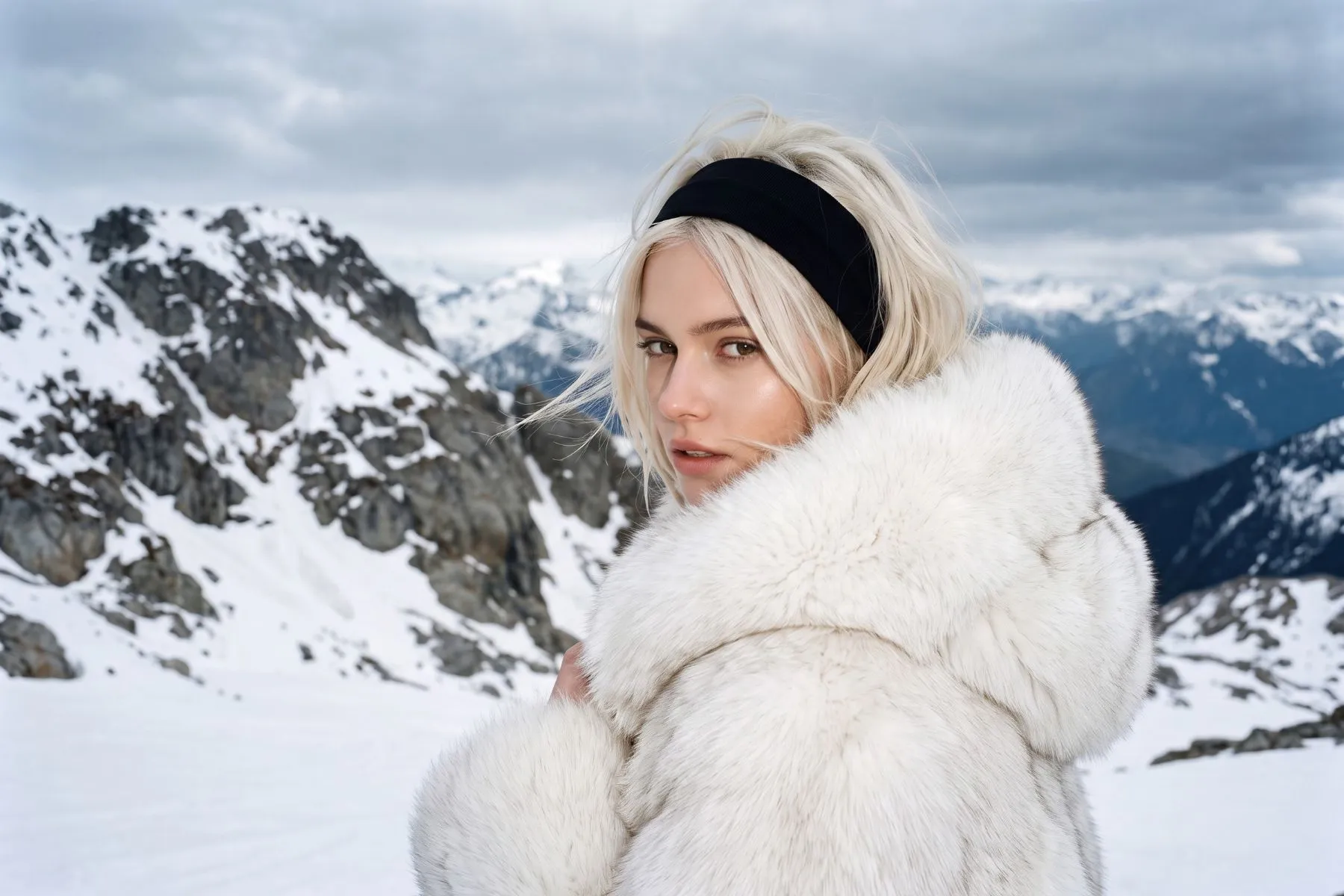
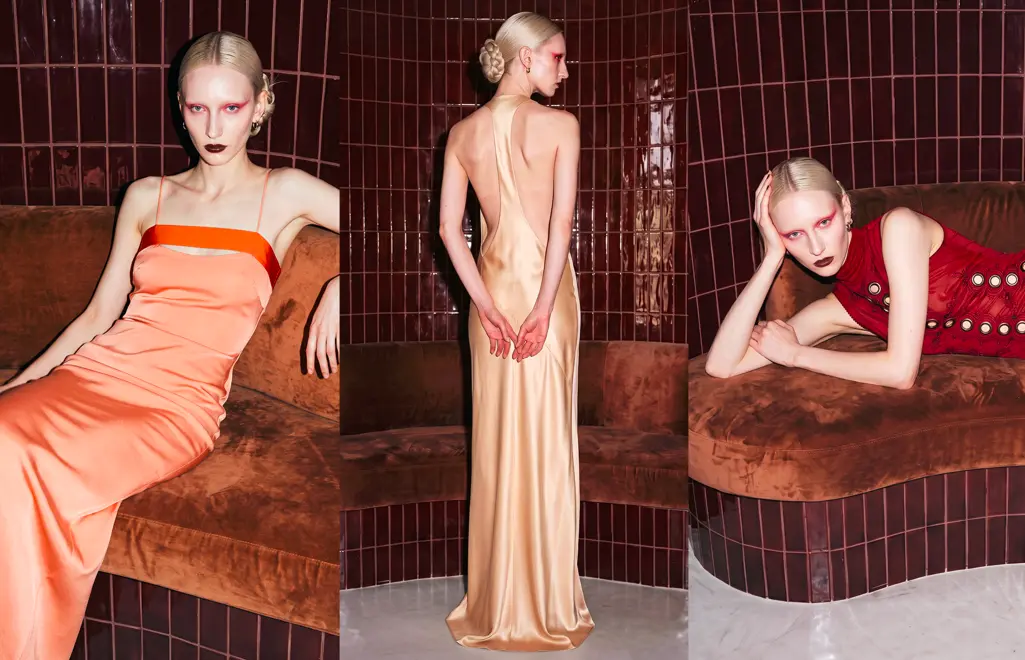
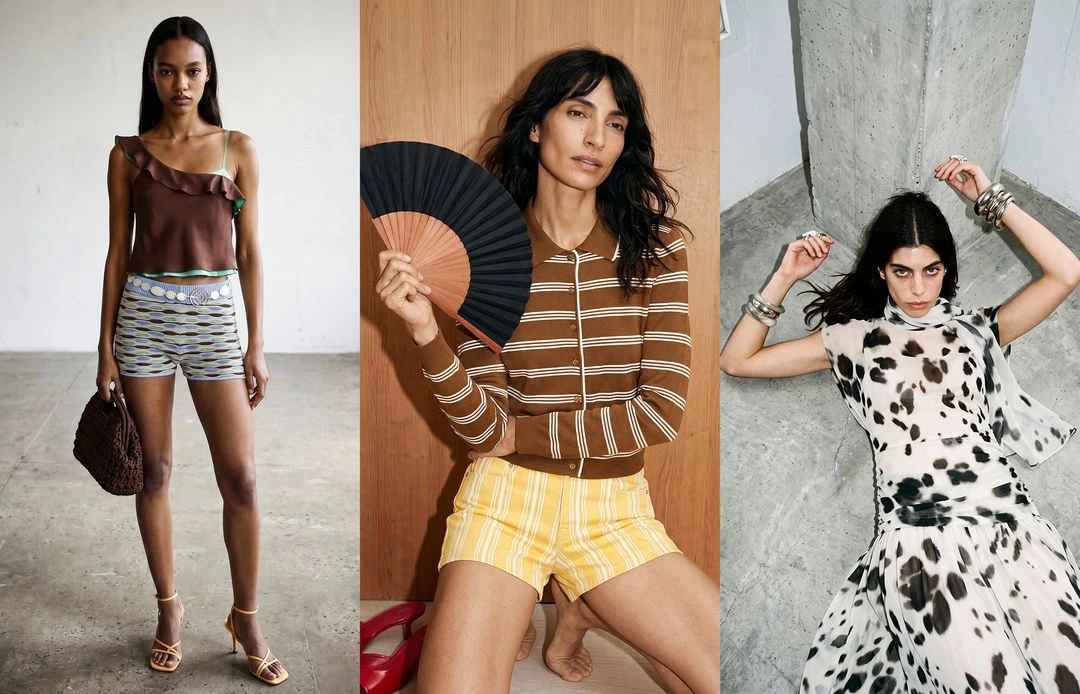
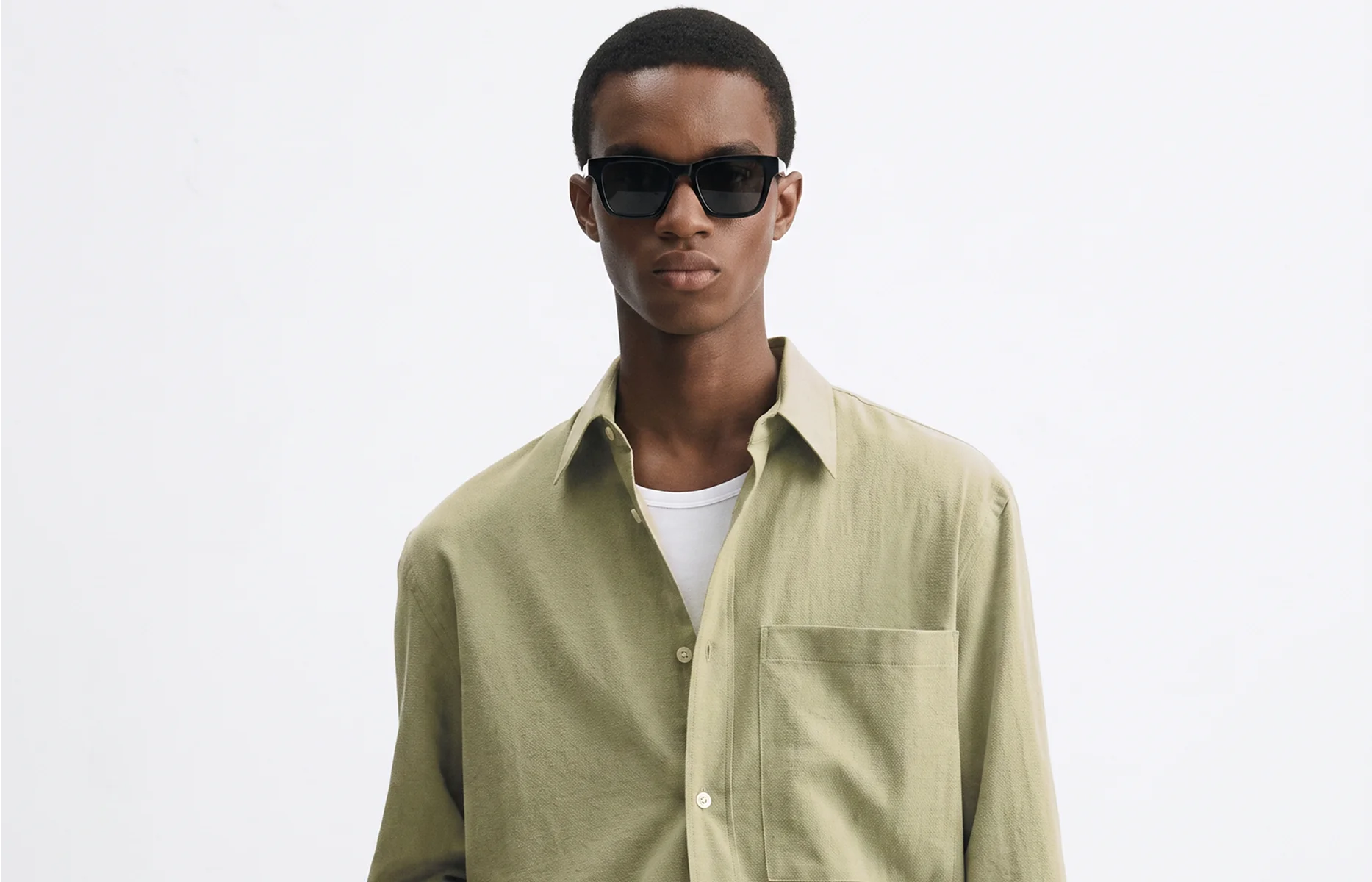
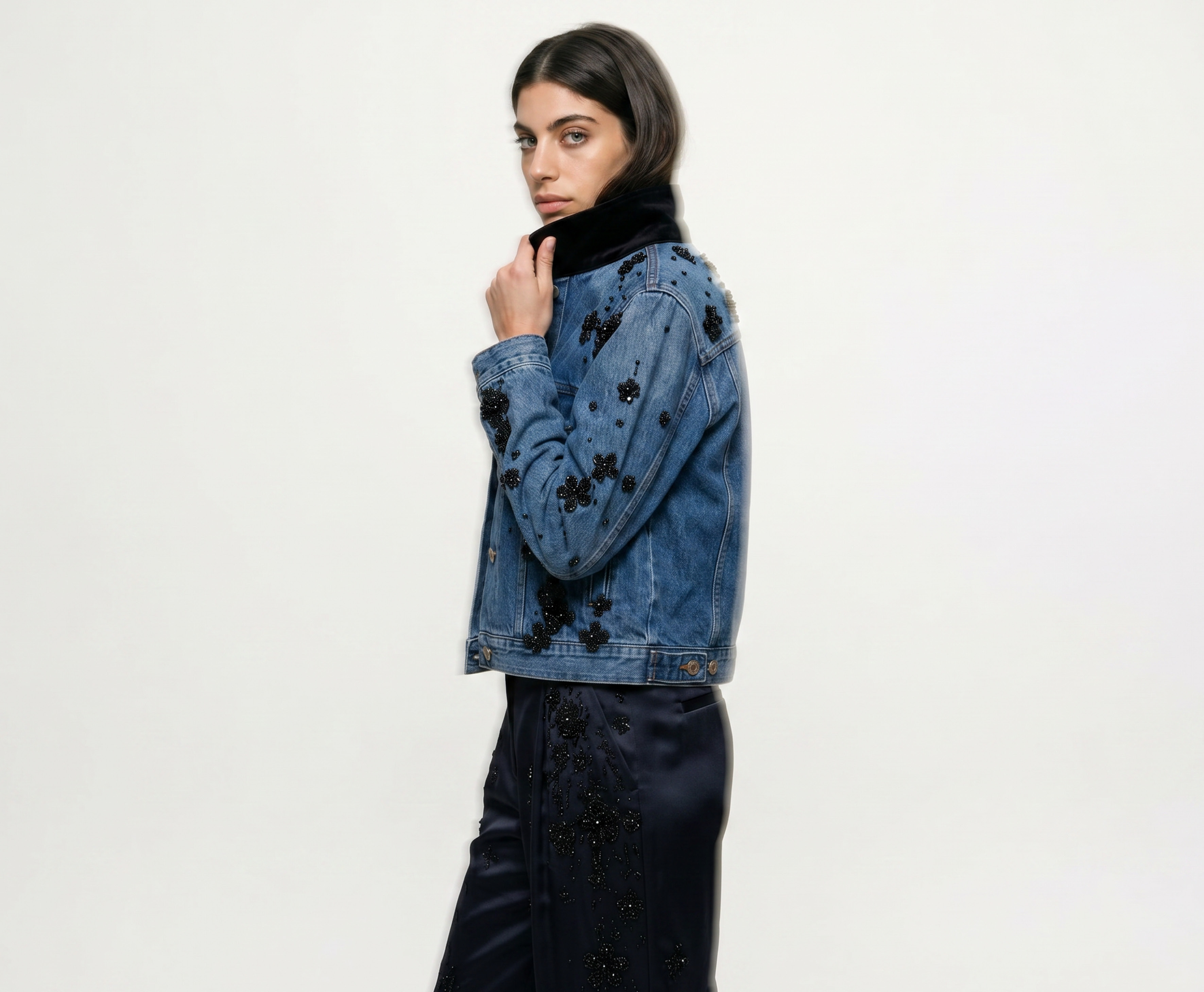
The distinction from product page imagery is the intent. Editorial and campaign work is not just a clean shot of a garment; it carries mood, setting, and a point of view. So the approach has to allow for creative direction, not only reproduction, the ability to place a look in a considered environment, build a coherent set of images that read as a campaign, and hold the brand's aesthetic across all of them. Done well, the output is a lookbook or campaign set that looks directed rather than generated, produced in a fraction of the time a shoot would take.
The rest of this guide covers what campaign and lookbook imagery specifically requires, how brands produce it from existing inputs, how creative control is preserved, and the honest limits of the approach.
What campaign and lookbook imagery needs that product page imagery does not
Product page imagery answers a practical question: what does this garment look like. Campaign and lookbook imagery answers a creative one: what does this collection stand for. That difference drives everything about how it is made.
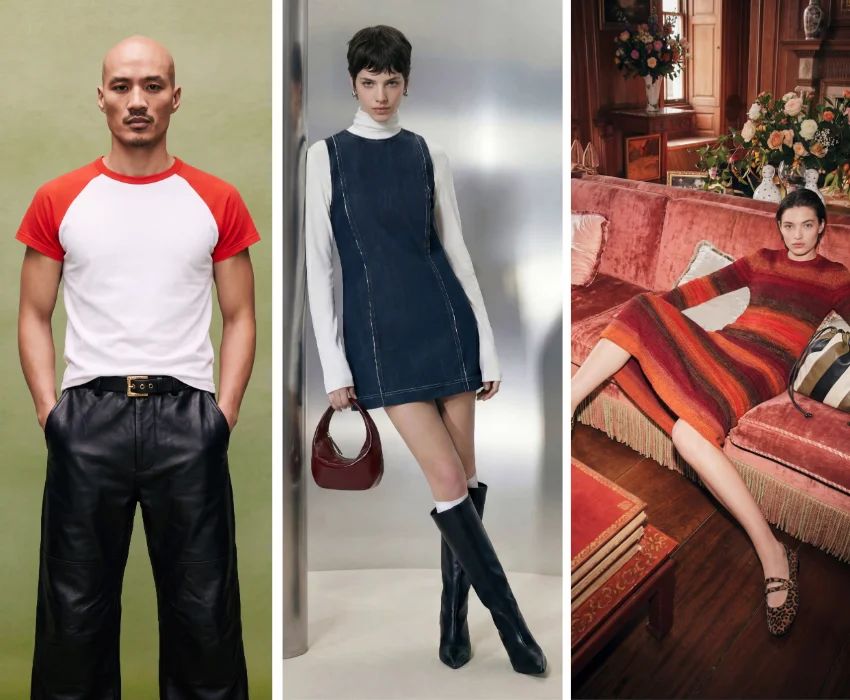
Three things separate the two. Editorial imagery needs mood and setting, a considered environment, lighting with intent, and styling that tells a story rather than simply displaying a product. It needs coherence across a set, because a lookbook or campaign is read as a body of work, not a single frame, and the images have to hold together as a narrative. And it needs range, because campaigns run across channels and markets, each wanting its own treatment of the same core idea.
Traditional production meets all three, at a cost. The concept, the location, the crew, and the edit exist precisely to deliver mood, coherence, and range. The question brands are now asking is whether they can get those same qualities for the many campaigns that never justified the full production, and increasingly the answer is yes for a large share of that work. [SADI: confirm the strength of this claim is within current capability]
Creating editorial visuals from inputs you already have
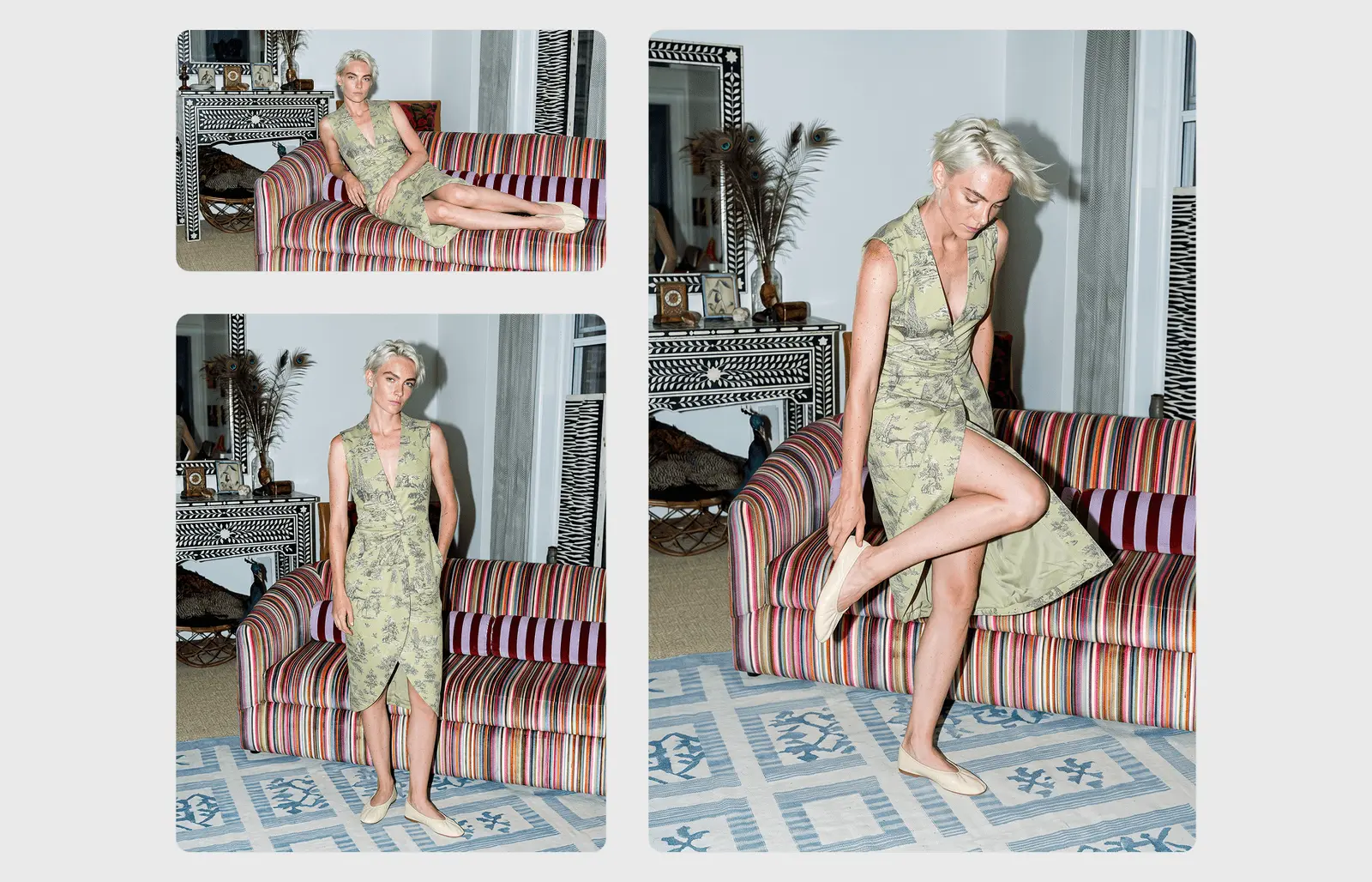
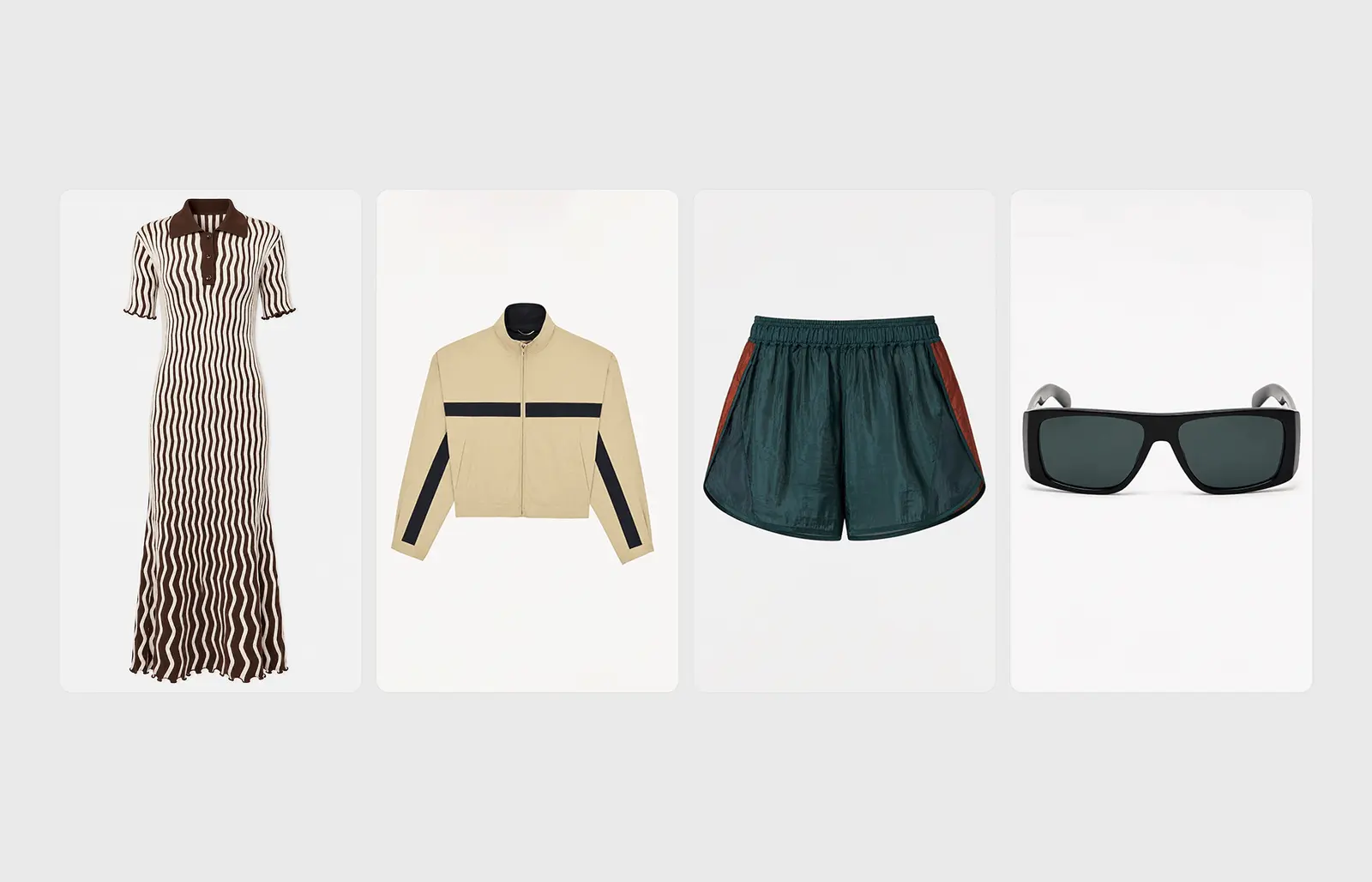
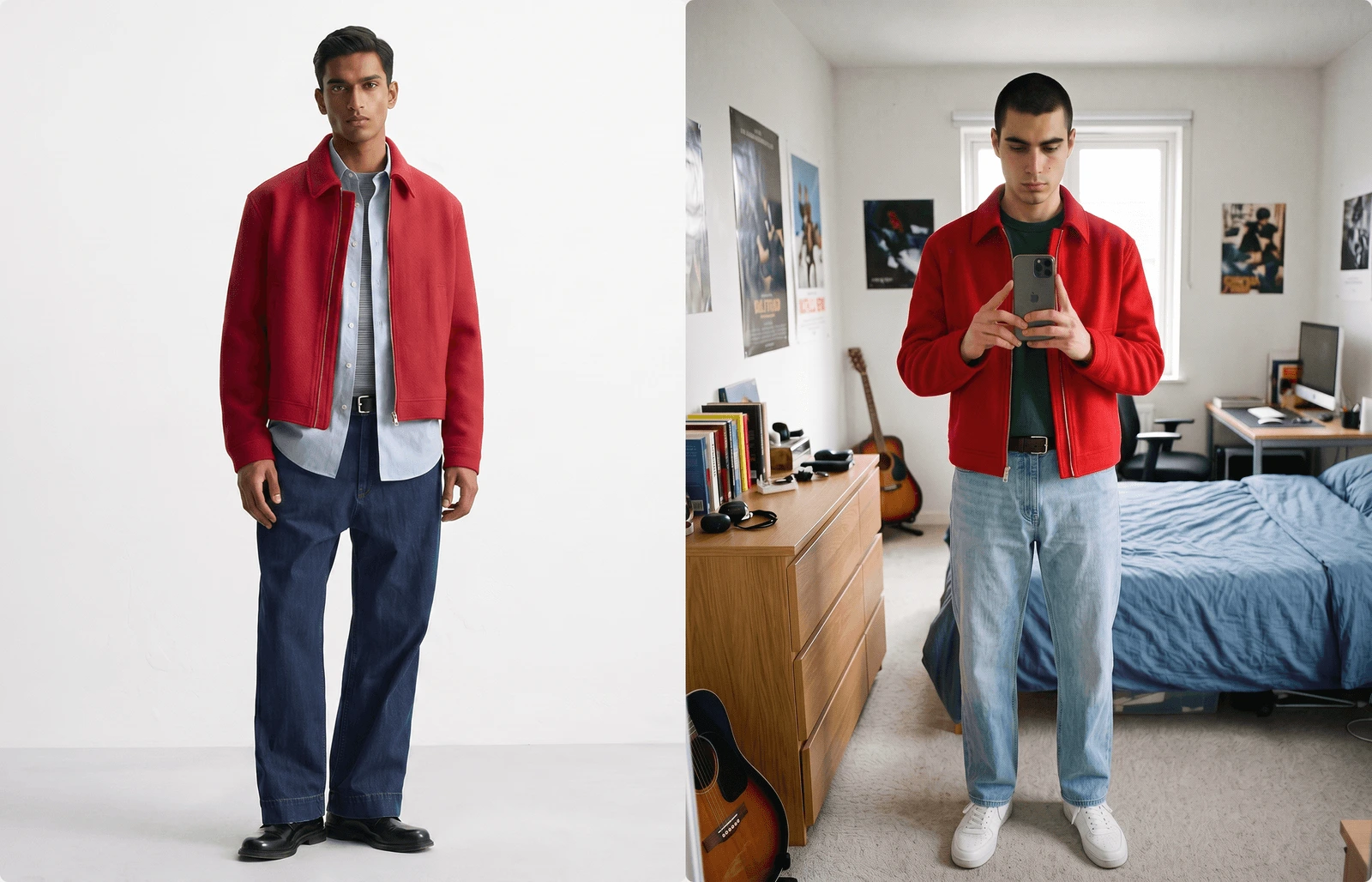
The starting point is material the brand already owns. A packshot or an existing image of a garment becomes the basis for an editorial treatment: the look placed in a setting, styled and lit to a brief, and built out into a coherent set. Because the brand's avatars and aesthetic are already calibrated, the output carries the brand's identity rather than a generic editorial style.
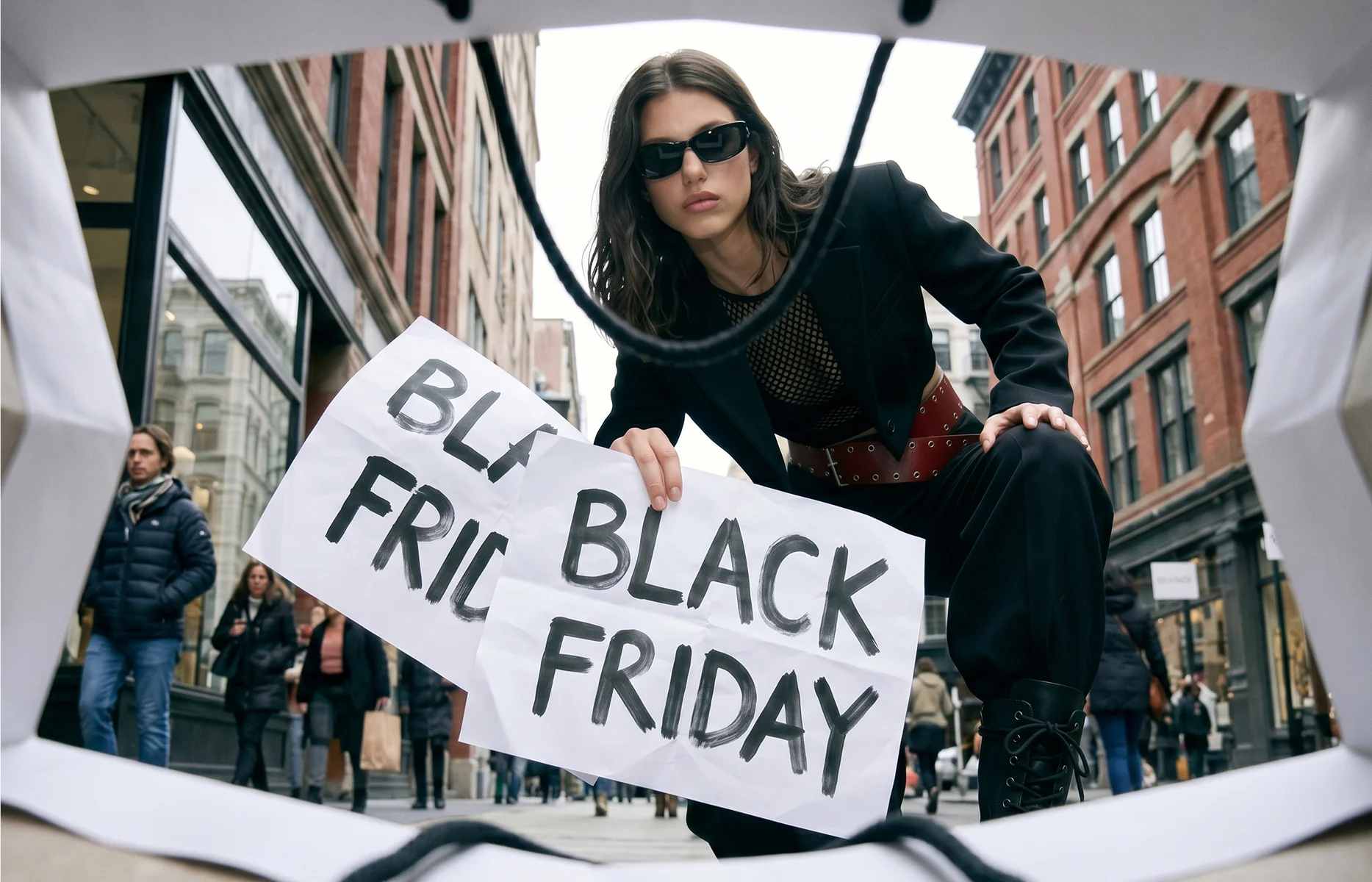
This is what makes secondary and seasonal work viable. The campaigns that used to be cut for budget, a market-specific edit, a mid-season refresh, a smaller collection's lookbook, can be produced without standing up a new shoot for each. A brand can visualise a collection before every sample physically exists, extend a campaign's visual language across colourways and secondary placements, and refresh editorial between seasons rather than letting it go stale. The creative range that shoot budgets used to ration becomes something a team can actually reach.
It is worth being precise about terminology for the reader: this is editorial and campaign content, produced in the same workflow a brand uses for its on-model product imagery, not a separate specialist pipeline. That continuity is part of the point, one setup, one calibrated brand identity, applied across both the product page and the campaign.
A practical way to produce a lookbook without a shoot
The process looks less like a shoot and more like a directed build, and it follows a recognisable order.
It starts with the concept, exactly as a shoot would. The team decides what the collection should say, the mood, the setting, the styling direction, and the story the set needs to tell. Nothing about generating the imagery removes this step; it is where the work still lives. From there, the team gathers the inputs it already holds for the garments in the collection, the packshots, flat lays, or existing on-model imagery, so there is raw material to build from rather than samples to wait on.
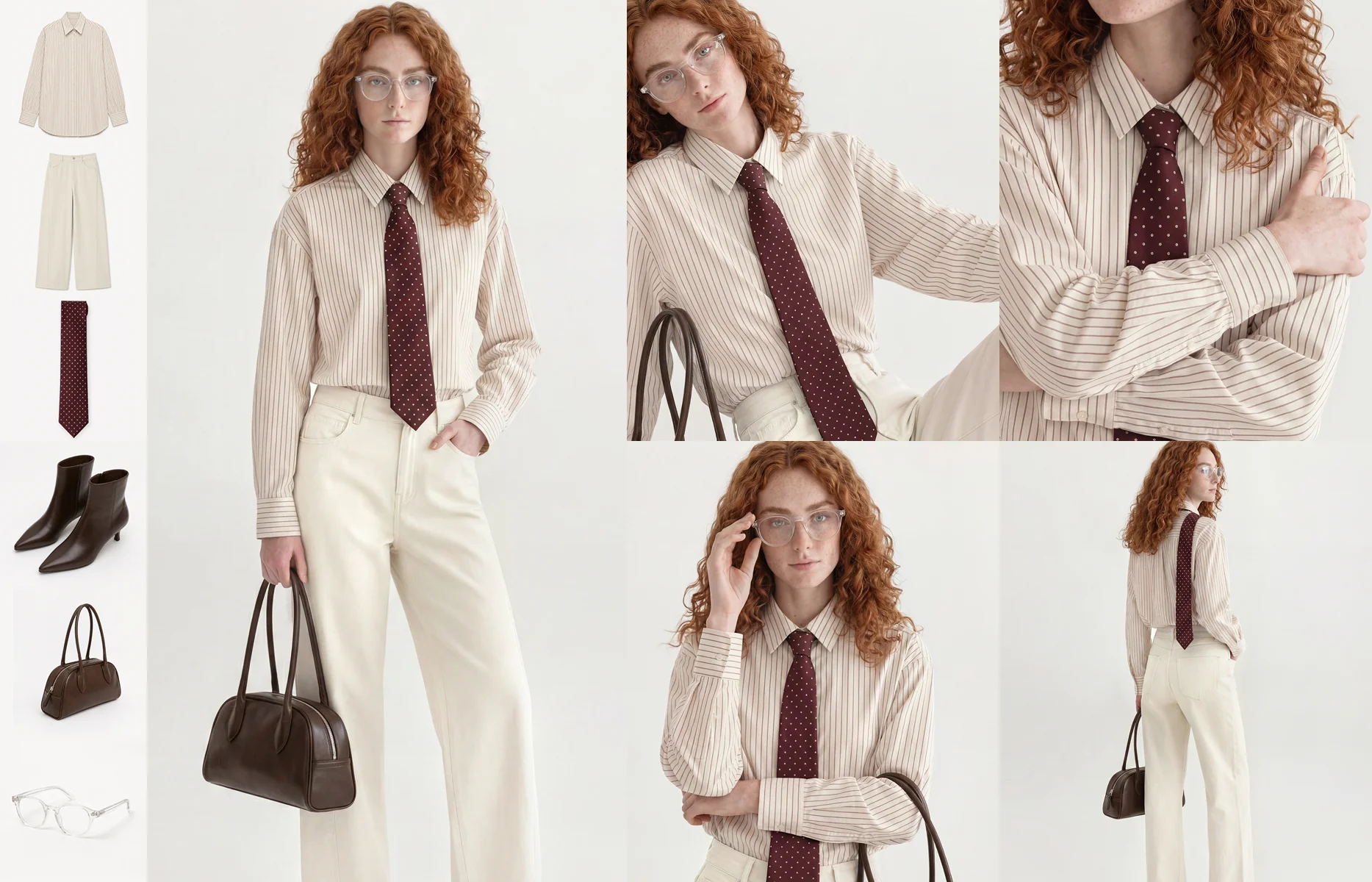
With the concept and inputs in place, the editorial set is generated against the brand-calibrated setup, the avatars, lighting, and aesthetic that already define the brand, so the look is placed in its setting and built out across the collection as a coherent body of images. The team then reviews and refines, treating the output the way it would treat a first edit from a shoot: selecting, adjusting, and directing until the set is right. Because there is no reshoot cost, iteration is cheap, and a direction that is not working can be changed rather than lived with.
The result is a lookbook or campaign set produced in days rather than the weeks a shoot and its post-production would demand, without the sample logistics that usually gate the whole thing. For a brand running several collections and markets a season, that compression is what makes full editorial coverage realistic rather than aspirational.
Keeping creative control and art direction in-house
The concern brands raise first is creative control, and it is the right concern. Editorial work lives or dies on direction, and no brand wants its campaign aesthetic averaged into something generic. The approach only works if the creative team stays in charge.
That means the team sets the direction, the concept, the mood, the styling, the avatars, and the output executes it, rather than the tool deciding the look. The value is not in replacing creative judgement; it is in removing the logistics that stand between a creative idea and a finished set. Art direction stays human. The production of it speeds up. For an in-house team, that also means the brand's editorial identity is developed and owned internally rather than briefed out to an agency each season and reassembled from scratch.
In practice, the division of labour shifts rather than disappears. The hours that once went into scheduling, sample wrangling, and on-set logistics move to the parts of the work that actually shape the campaign: sharpening the concept, refining the styling, and editing the set down to its strongest images. A creative director spends more time directing and less time producing. That reallocation is often the real gain for a team, more creative attention on more campaigns, rather than the same attention stretched thin across a handful of shoots the calendar could accommodate.
There is also a consistency benefit that matters for editorial specifically. When a brand's aesthetic is calibrated once and reused, the campaigns produced across a season share a visual coherence that separate shoots, with different photographers, locations, and conditions, often struggle to maintain. The brand looks like itself across every campaign, not just within each one.

Where a photoshoot still earns its place
An honest guide has to say where this approach is not the answer, because overstating it helps no one. Generating campaign and lookbook imagery from existing inputs is built to cover the breadth of editorial work that traditional production cannot reach economically. It is not a replacement for hero campaign production.
The flagship campaign that defines a season, the one that warrants a named photographer, a specific location, and a bespoke concept, is still a shoot, and should be. What the generated approach covers is everything around and after that hero moment: the secondary campaigns, the market and channel variations, the seasonal refreshes, the colourway and placement extensions, and the collections that never had a hero budget in the first place. The right mental model is not shoot versus no shoot. It is reserving the shoot for where it genuinely adds value, and covering the long tail of editorial work another way, so more of the collection gets campaign-grade imagery rather than only the hero pieces. Used this way, the two approaches reinforce each other: the hero shoot sets the season's creative benchmark, and the generated editorial extends that language across everything the shoot could never have reached, so the whole collection speaks with one voice rather than tailing off after the flagship.
Frequently asked questions
Why is producing always-on campaign visuals so expensive for DTC fashion brands?
Because always-on demand meets production built for occasional, fixed shoots. Always-on campaigns need a continuous stream of fresh, on-brand editorial across channels and formats, and meeting that with traditional shoots means repeatedly booking concepts, sets, models, and crews, then carrying the edit each cycle. The cost is the frequency, not any single shoot. Brands reduce it by generating most of the always-on stream, the variations, refreshes, and secondary edits, from inputs and a brand setup they already hold, and reserving full shoots for the moments that truly need them.
How can creative agencies produce fashion campaign imagery faster without more photoshoots?
By generating campaign visuals from existing inputs instead of scheduling a shoot for every concept. Agencies can take a client's packshots or existing imagery and build editorial sets against a brand-calibrated setup, which compresses the slowest parts of the process, sample logistics, shoot days, and reformatting, into a fraction of the time. It lets a small team explore more directions and turn campaigns around faster, while keeping art direction firmly in human hands.
Will campaign imagery made this way actually look on-brand?
It does when the setup is calibrated to the brand rather than working from generic defaults. The avatars, lighting, and styling are configured to the brand's identity and applied across the whole set, so a lookbook or campaign reads as a coherent, directed body of work rather than a collection of unrelated images. Brand fidelity comes from the calibration, not from luck.
Does this replace our seasonal campaign shoots entirely?
No, and it is not meant to. The hero campaign that defines a season is still best served by a shoot. This approach covers the far larger volume of editorial work around it, the secondary campaigns, market variations, seasonal refreshes, and long-tail collections, so campaign-grade imagery reaches the whole range rather than only the flagship moment.
See campaign and lookbook imagery from your own inputs
The fastest way to judge this is on your own collection. Book a demo with Graswald AI, bring a set of packshots or an existing campaign, and see what a lookbook built from them looks like when it carries your avatars, your art direction, and your brand's point of view.
.webp)



-p-1600.webp)

.webp)