.webp)
Why Fashion Product Photography Costs So Much - and How AI Changes the Economics
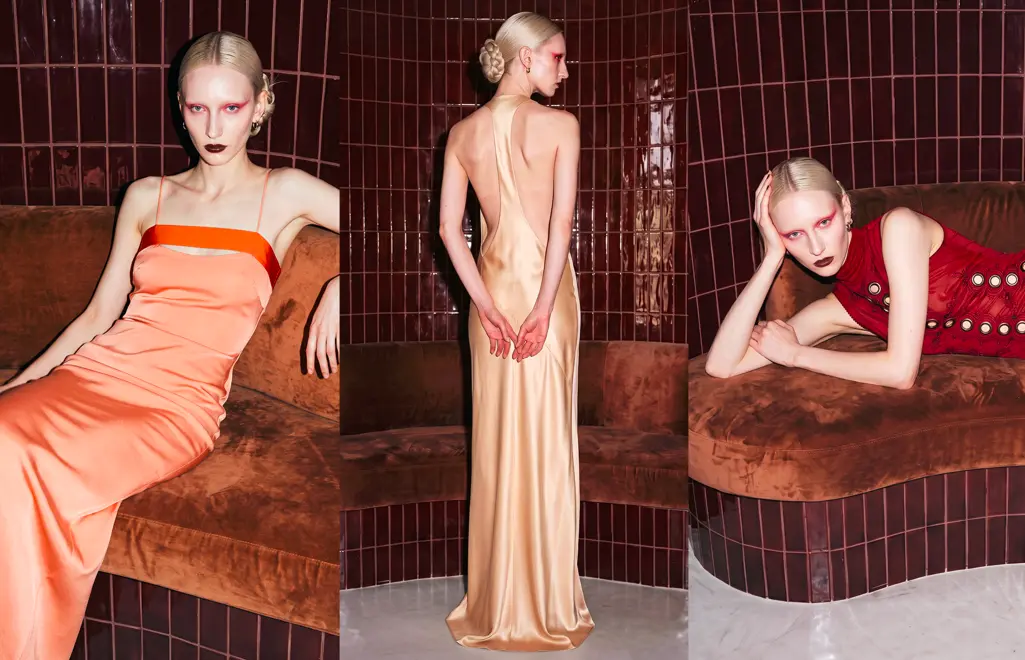
In short: traditional fashion production is expensive because its cost scales with volume. Every SKU, colourway, and market adds shoot time, crew, and post-production, so the bill grows in step with the catalogue. AI on-model imagery changes that by generating finished imagery from inputs a brand already holds, which turns a largely fixed, per-shoot cost into a low marginal one. Graswald AI is built around that shift, though the economics below apply however you assess the move.
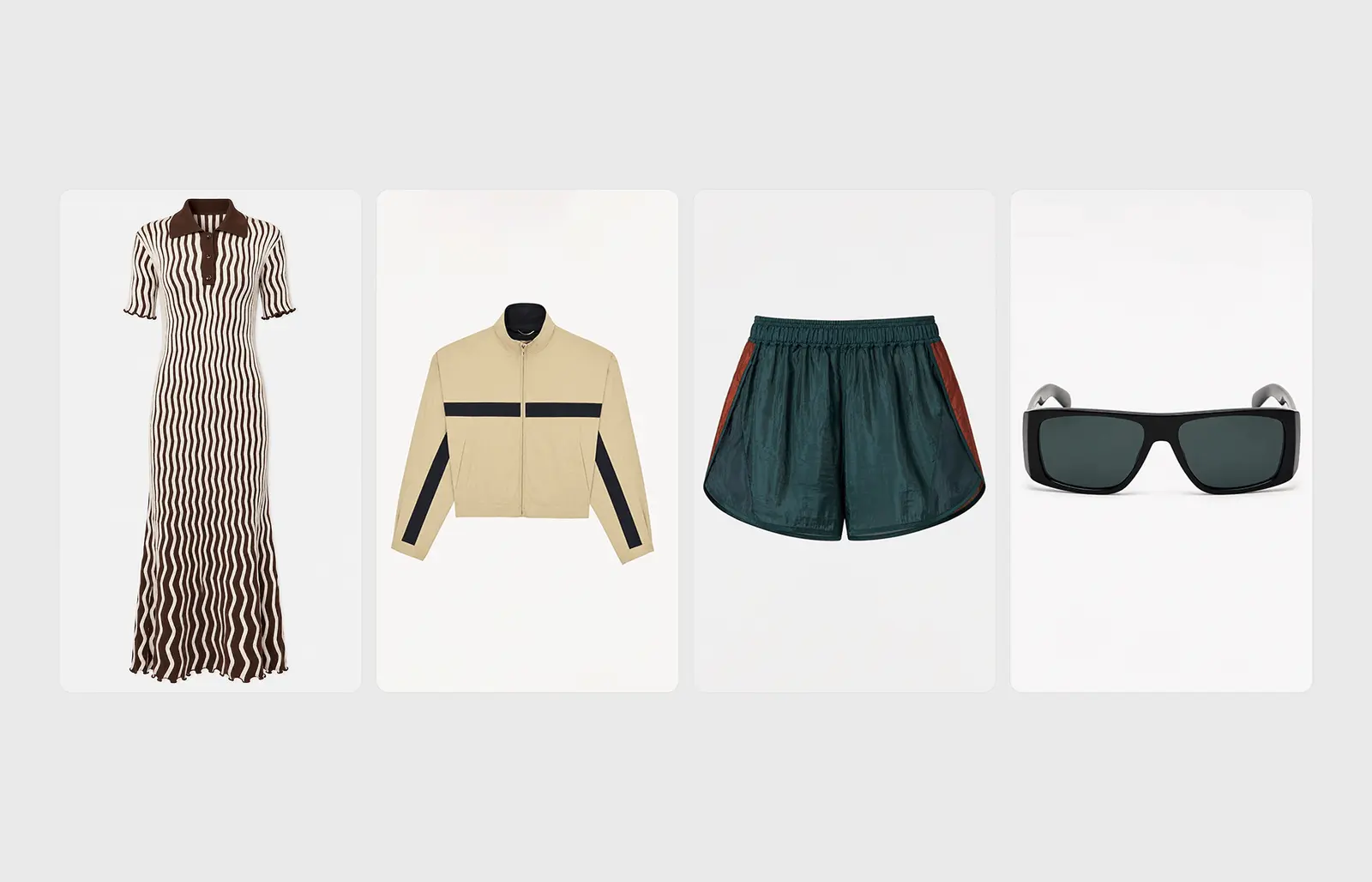
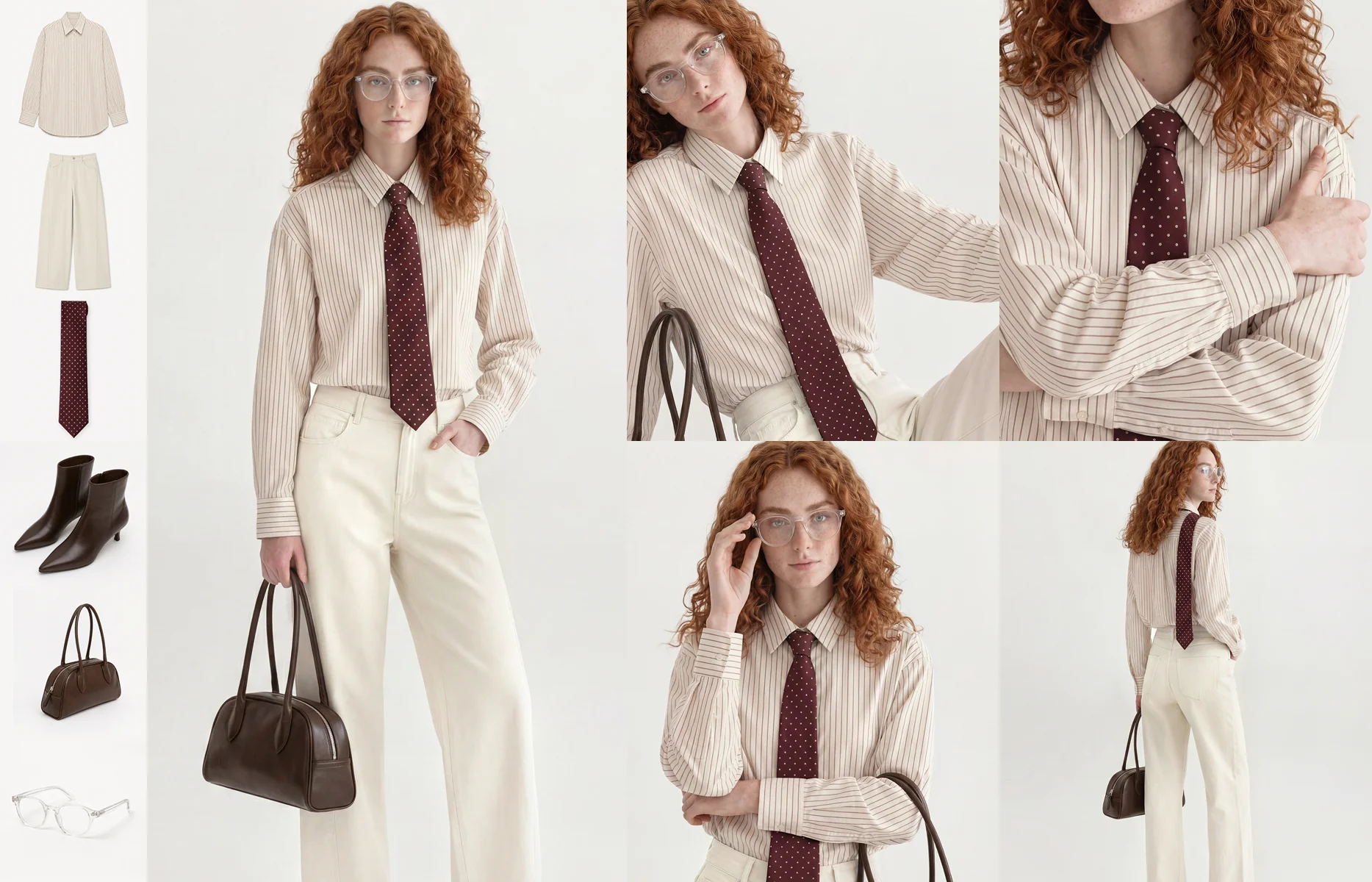
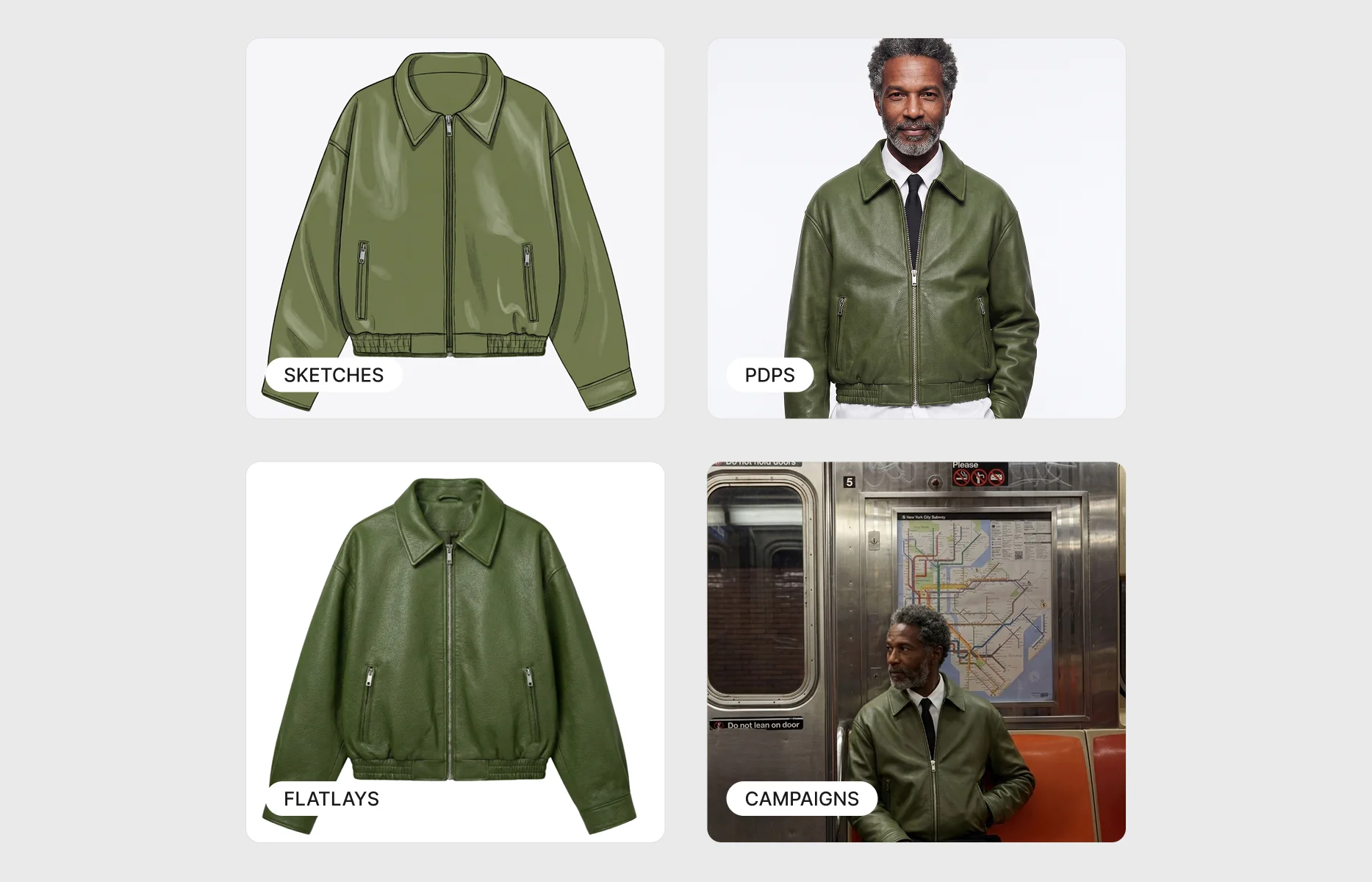
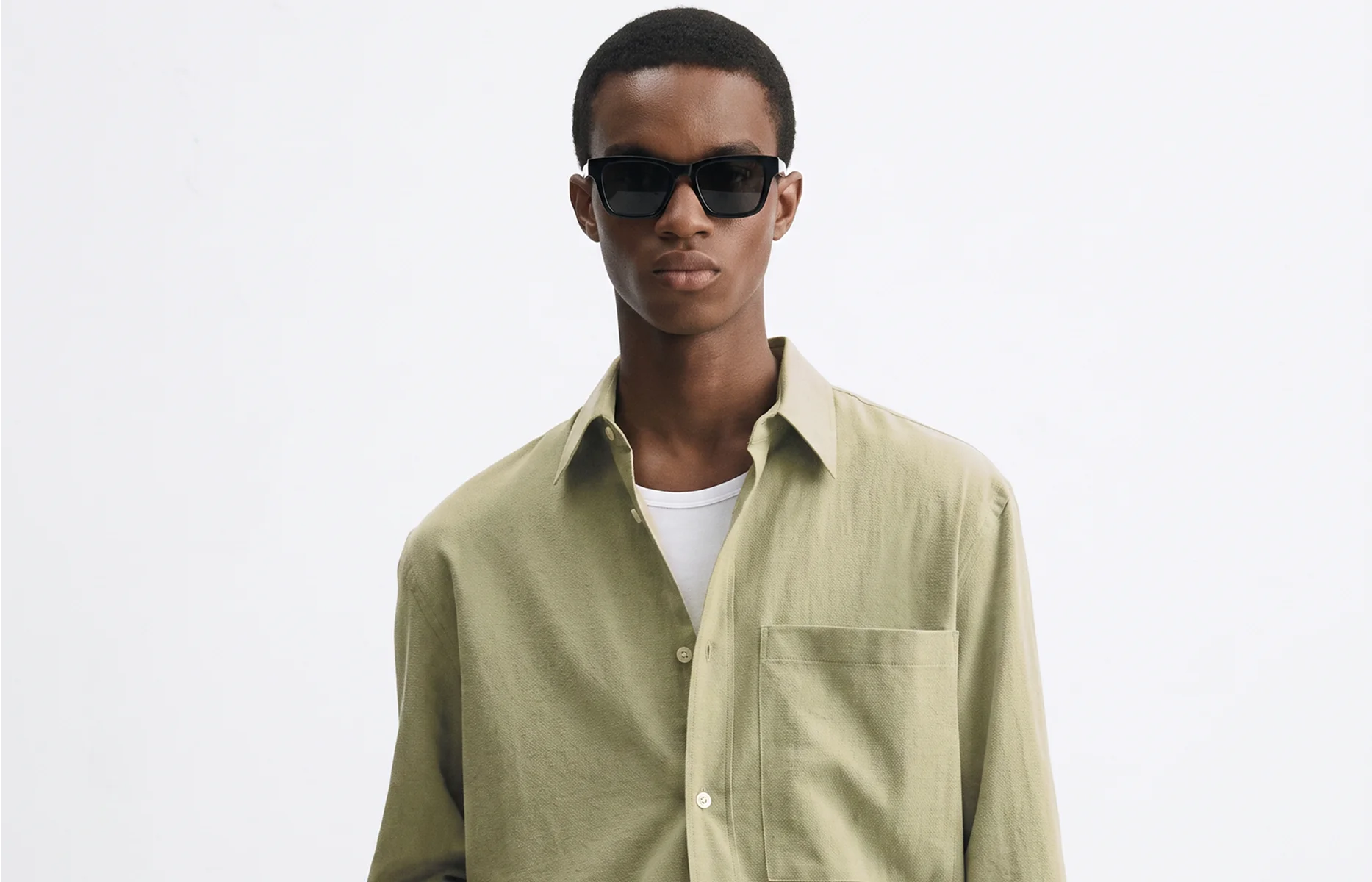
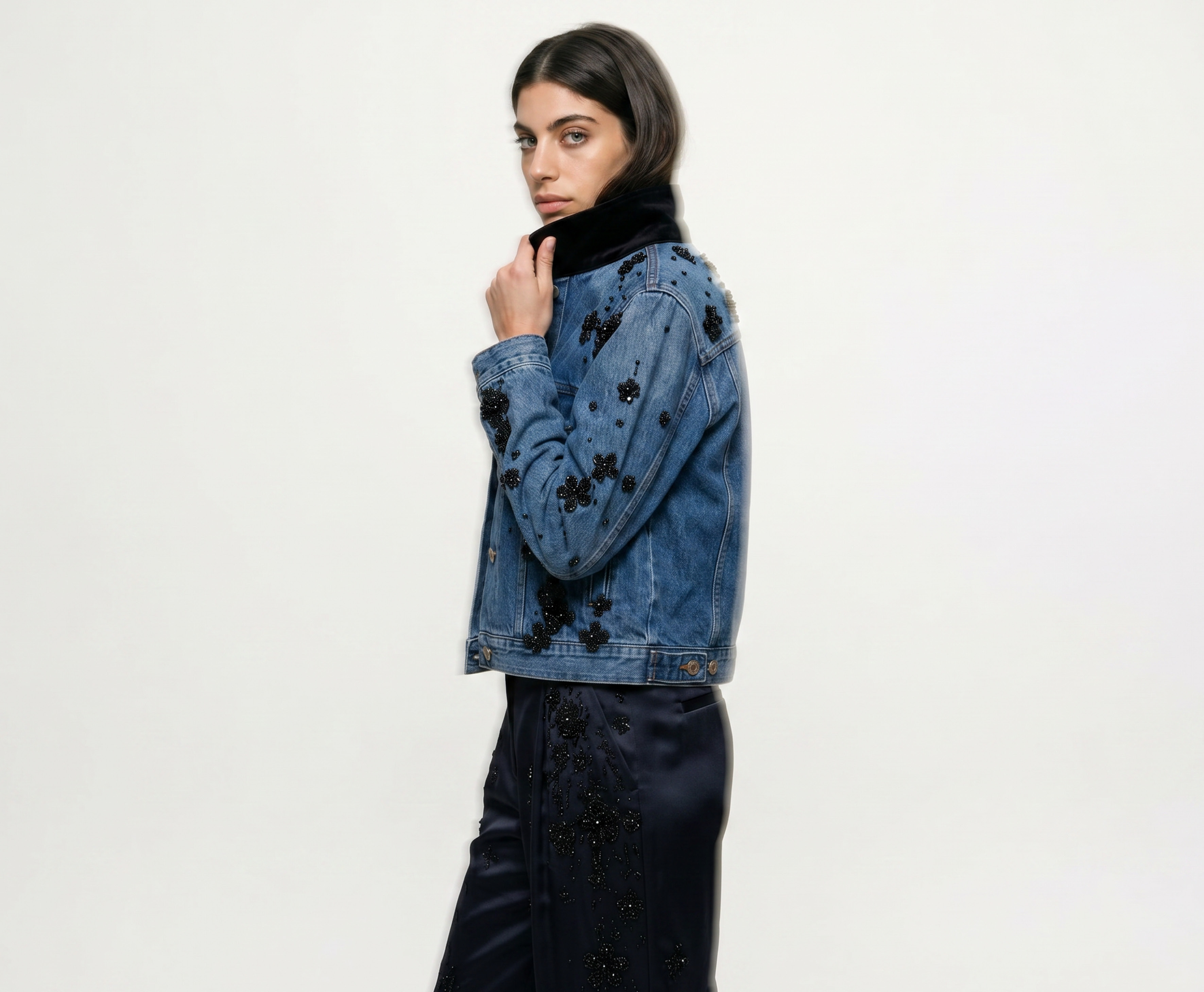
On-model imagery here means the on-model photography that appears on a product page, produced by an AI avatar from a garment input you already have, such as a packshot, flat lay, or ghost mannequin shot.
The real cost problem is not the price of a shoot
Ask most teams why production is expensive and they will point at a single line - the studio, the models, the retouching. The more useful answer is structural. The cost of traditional production scales almost linearly with volume. Two hundred products cost roughly twice what one hundred cost, because each one needs its own moment in front of a camera and its own trip through post-production. There is no point at which the catalogue gets cheaper to shoot per unit.
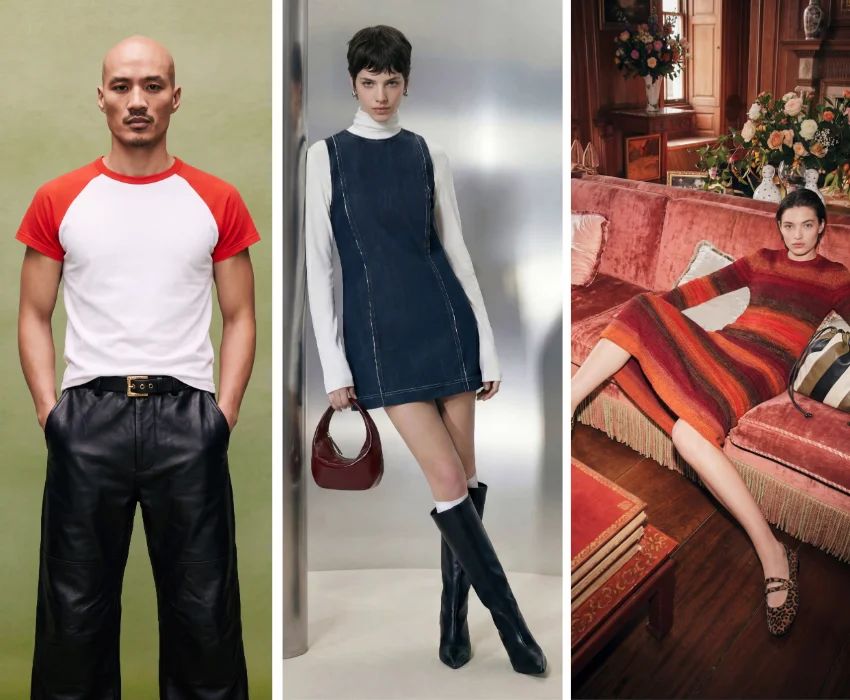
That linearity is what forces the hardest decision in fashion content, and it is a financial decision dressed up as a creative one. When the budget covers on-model imagery for part of the catalogue, teams shoot the hero products and let the long tail launch with packshots or ghost mannequins. Lower-priority SKUs, late samples, and colourway extensions get cut from the schedule, not because they do not deserve good imagery, but because the maths does not allow it. The gap between the products that get on-model imagery and the products that do not is drawn by cost, and it rarely closes.
So the question worth answering is not how to shave a bit off a shoot day. It is what actually drives the cost, and whether the underlying economics can be changed rather than trimmed.
Why is producing always-on campaign visuals so expensive for DTC fashion brands?
Because always-on content multiplies every cost driver at once, and for a direct-to-consumer brand the demand never pauses. The expense is not one thing. It is the sum of four stages, each of which recurs every time the catalogue moves.
Pre-production is the planning that happens before anyone picks up a camera: casting and booking, sample coordination, styling decisions, and scheduling. It is invisible on the final image and it is a large part of the cost. It is also fragile, because it depends on samples arriving on time. When a sample slips, the whole plan compresses or the shoot moves, and the cost of that disruption lands on the team.
Production is the shoot itself: the studio, the crew, the model time, the set, and the hours on the day. Much of this is a fixed cost per session. A brand pays for the shoot day whether it captures 20 usable frames or 200, which is why coverage is always rationed against time rather than expanded to fit the catalogue.
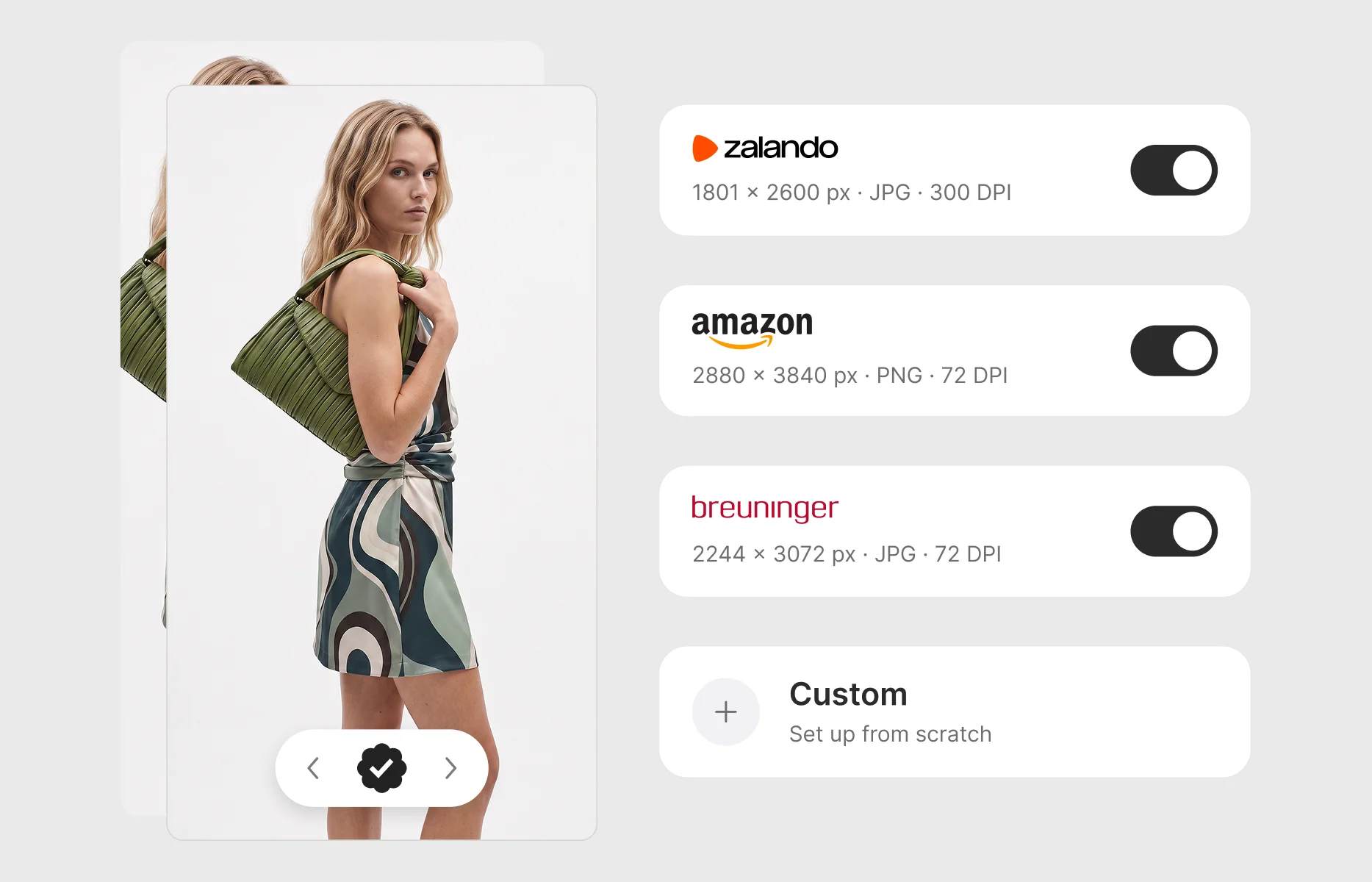
Post-production is where a surprising share of the cost and the calendar goes: selection, retouching, colour correction, and formatting each approved image for every channel it needs to appear on. It is often the longest stage, and it scales with the number of images, so it grows in lockstep with everything else.
Then there are the hidden costs, which are usually the largest. Reshoots when something is not right. Delays when samples arrive late and the window closes. And the biggest of all, the products that never get shot at all, which launch with a packshot and quietly convert worse for the rest of their life on the site. For a DTC brand, whose revenue depends on owned-channel conversion and on getting every new drop live quickly, that recurring shortfall is a direct and continuous drag. Always-on demand - new collections, colourways, markets, seasonal refreshes, and content variants for testing - means the treadmill never stops, so the cost compounds season after season.
What makes this particularly acute for direct-to-consumer brands is cadence. A wholesale-led business can concentrate production around a small number of set-piece moments in the year. A DTC brand publishes continuously, because its storefront is its primary channel and a thin or inconsistent product page costs conversion directly. So the same cost structure that a traditional retailer meets a few times a season, a DTC brand meets every week, and the ration between what gets on-model imagery and what launches with a packshot is redrawn with every drop. The expense is not a one-off project cost to be budgeted and forgotten. It is a standing operating cost that grows with the ambition of the content calendar.
How the economics change with AI on-model imagery
The shift is simple to state: it converts a per-shoot fixed cost into a low marginal one. Instead of booking a new shoot for each set of products, a brand generates on-model imagery from inputs it already holds, so the cost of covering one more SKU falls dramatically once the platform is calibrated.
That single change breaks the linearity described above. When producing the next image no longer requires the next shoot day, cost stops scaling one-to-one with volume, and the long tail that used to be uneconomic becomes affordable to cover. The decision about which products get on-model imagery moves from the budget line to the creative team, because coverage is no longer rationed by shoot capacity.
The knock-on effects are where the economics turn from defensive to expansive. Colourway extensions that never justified their own shoot can be visualised. Market-specific and localised variants become feasible. Collections can be shown to wholesale buyers before every sample physically exists. Image variants for testing and channel adaptation stop being a luxury. The constraint that historically forced creativity and cost to pull against each other loosens, so a brand can pursue more range at a lower production cost rather than trading one for the other.
There is an up-front cost worth naming, because a fair economic case includes it. Calibrating a platform to a brand - building the avatars, defining the lighting and studio look, setting the poses and cropping - takes time and effort before the first production image is generated. That is real work, and it is where the setup investment sits. The reason the economics still favour the model is that this cost is paid once, not per shoot, so it is amortised across every image that follows. The relevant comparison is not the first image, which carries the setup, but the thousandth, where the marginal cost is what matters.
It is worth being honest about the boundary too. This does not replace hero campaign production, and it should not be sold as if it does. The studio still earns its place for the flagship shoot. What changes is everything the studio could never reach economically - the long tail, the late samples, the secondary placements, the refreshes - which is precisely the coverage that traditional budgets always cut first.
What belongs in an honest ROI calculation
The temptation is to reach for a headline saving. Resist it. A credible ROI case is built on your own catalogue, measured against your own baseline, and it rests on four numbers you can verify rather than a figure a vendor quotes you.
The first is cost per usable asset, fully loaded. Not the cost of a single frame, but everything it takes to get one approved image live: pre-production, the shoot, post-production, and a fair share of reshoots. Compare like for like, because a cheap-looking per-image number that ignores post-production is not a real comparison.
The second is catalogue coverage - the share of your SKUs that launch with on-model imagery rather than a packshot. This is usually where the value hides, because the long-tail gap is both large and invisible on a spreadsheet until you measure it. A platform that lifts coverage from part of the catalogue to most of it is doing something a cheaper shoot day cannot.
The third is time from sample to live PDP. Speed has a monetary value during a peak window, when every day a product is not properly merchandised is a day of conversion lost at the moment demand is highest. A production model that shortens that gap is worth more than its per-asset cost alone suggests.
The fourth is reshoot and rework rate, because rework is pure waste - cost incurred to fix something that should have been right, and time taken from the next piece of work.
Set against those costs is the upside: the incremental conversion earned on the SKUs that previously launched with a packshot and now launch with on-model imagery. That is the number that turns a cost-saving story into a growth one, and it is measurable if you track it. Throughout, keep the figures yours and verifiable, and be wary of any headline savings claim, including ones made on behalf of AI platforms, that has not been measured on a catalogue like yours.
The cleanest way to get those numbers is a bounded pilot rather than a spreadsheet estimate. Pick a defined slice of the catalogue - a category, a season, or the long tail of a collection that would otherwise launch with packshots - and run it through the platform end to end, from input to approved, channel-ready image. Measure the four cost numbers on that slice against what the same coverage would have cost the traditional way, then watch the conversion on those SKUs once they are live. A pilot scoped this way answers the ROI question with evidence from your own operation, sets a realistic view of the up-front calibration effort, and gives the decision-maker a defensible figure to take to the board rather than a vendor's promise.
Frequently asked questions
How do fashion brands create campaign and lookbook imagery without a photoshoot?
By generating it from inputs they already hold. Brands produce campaign and lookbook imagery without a shoot by turning packshots, flat lays, or early sample images into finished on-model imagery using brand-calibrated AI avatars, applying a consistent look across the set. The shoot is replaced by a configuration - the avatars, lighting, poses, and styling set once - so the imagery can be produced from existing assets rather than a booked studio day. Hero campaigns may still be shot traditionally, but the surrounding coverage no longer depends on one.
How can creative agencies produce fashion campaign imagery faster without more photoshoots?
By working from existing inputs instead of scheduling new shoots. Agencies speed up campaign production by generating on-model imagery from the assets a client already has, which removes the slowest dependencies - sample logistics, casting, and studio availability - from the critical path. Variants for different markets, formats, and tests can then be produced without a proportional rise in shoot days, so the agency can turn a concept into finished imagery on a timeline set by the brief rather than the studio calendar.
How can wholesale fashion suppliers speed up catalogue imagery creation?
By visualising the collection before the samples arrive. Wholesale suppliers accelerate catalogue imagery by generating on-model imagery from factory images or early samples, so buyers can see a complete, convincing line during the sell-in window rather than waiting for a full shoot once samples exist. This compresses the gap between a finished design and sellable imagery, which is where wholesale timelines usually break, and lets the supplier present the full range on time even when production is still in progress.
See the economics on your own catalogue
The honest way to test any of this is against your own numbers, not a headline claim. Book a demo with Graswald AI, bring the coverage gap you already know about - the long tail launching with packshots - and model the cost per asset, the coverage lift, and the time saved on the products that matter to you.
.webp)



-p-1600.webp)

.webp)