.webp)
How DTC Fashion Brands Keep Social Commerce Imagery Fresh at Scale

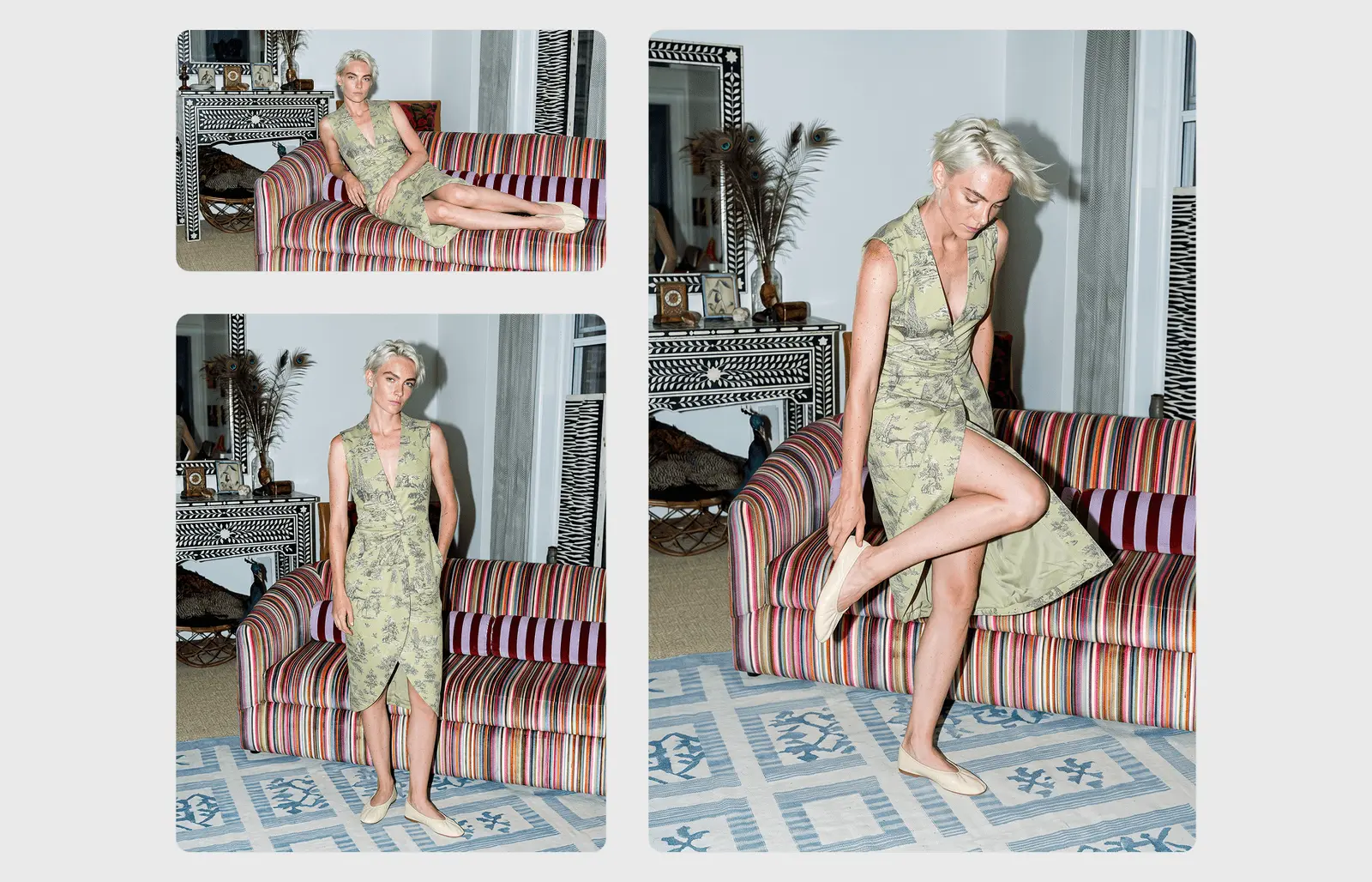
In short: DTC fashion brands keep social commerce imagery fresh at scale by generating new variants and refreshes from inputs they already hold, rather than booking a shoot for every post. A calibrated setup, using the brand's own AI avatars, lighting, and styling, lets a team produce on-brand imagery for new products, campaigns, and channels at the pace social demands, so the feed never runs dry and the visual standard never drops. Graswald AI is built for exactly this kind of continuous, on-brand production.
Social commerce moved the goalposts. A product page needs a handful of strong images that stay live for a season. A social feed needs something new almost every day, across formats, for every product worth pushing, and it needs to keep coming. For DTC brands, where the owned channel is the business, that appetite is relentless, and traditional production was never designed to feed it.
This guide sets out why social consumes imagery faster than any shoot schedule can refill it, and how brands keep the feed fresh at scale without turning every post into a production.
How do DTC fashion brands keep social commerce imagery fresh at scale?
They stop treating freshness as a shoot problem and start treating it as a velocity problem. The brands that keep up do not shoot more. They generate more, from the inputs they already have, on a setup calibrated to their brand once and reused endlessly.
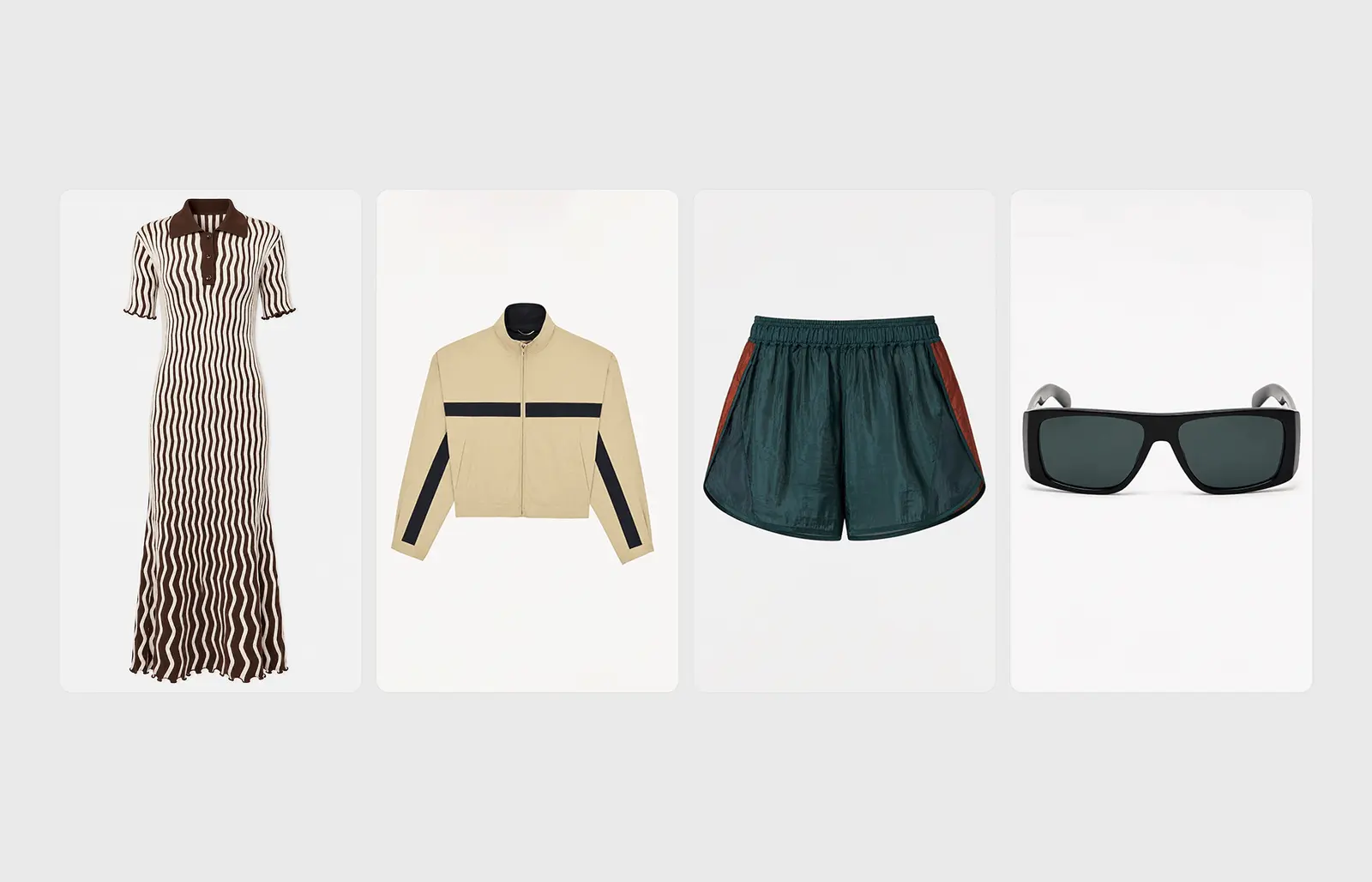
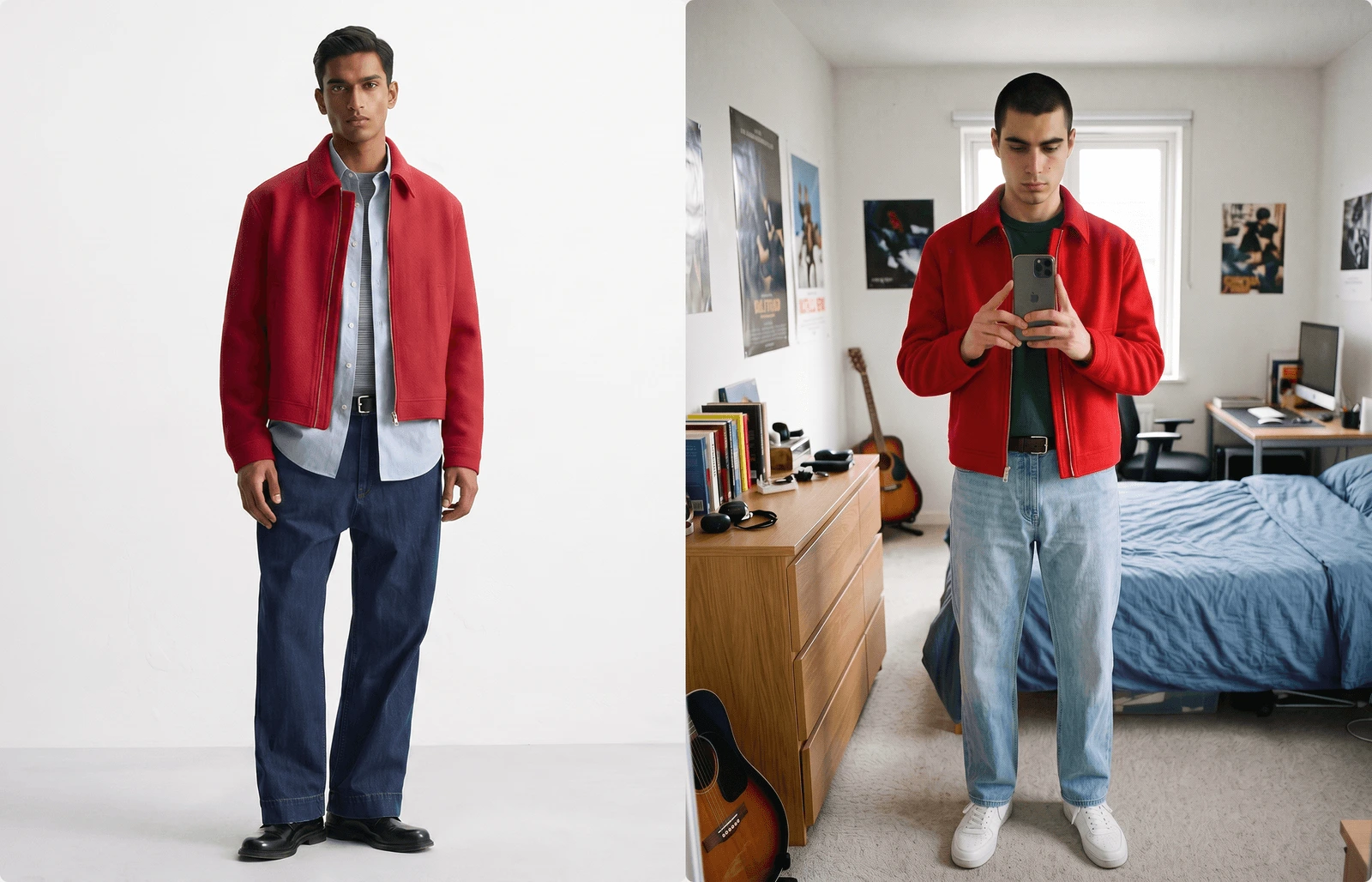
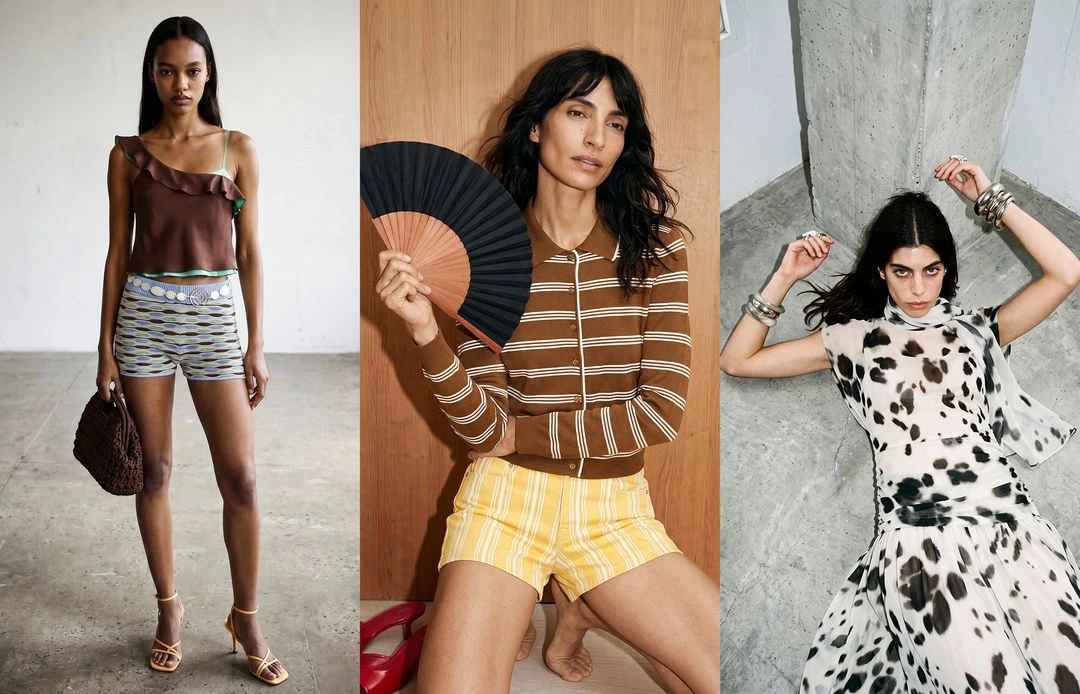
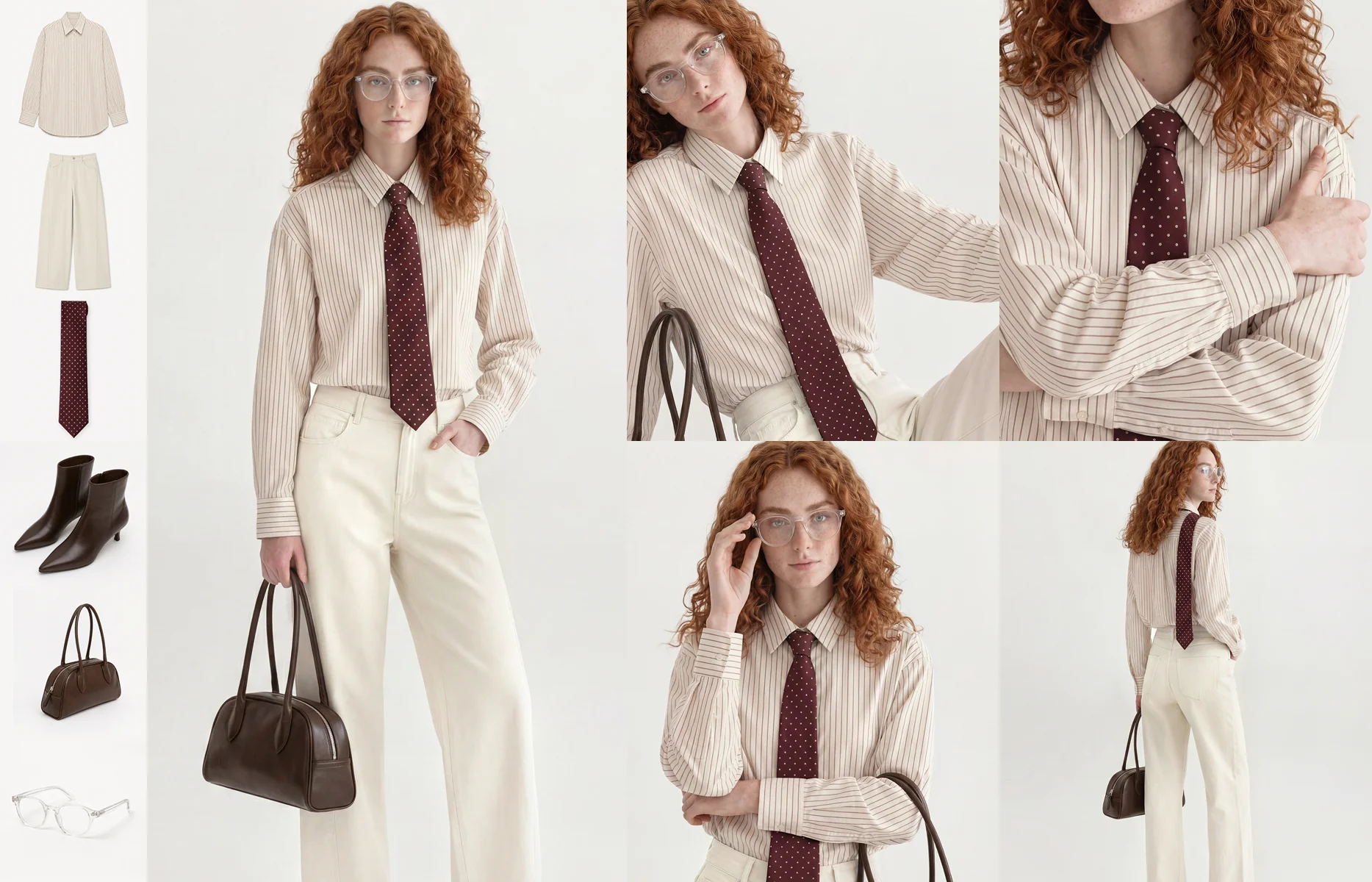
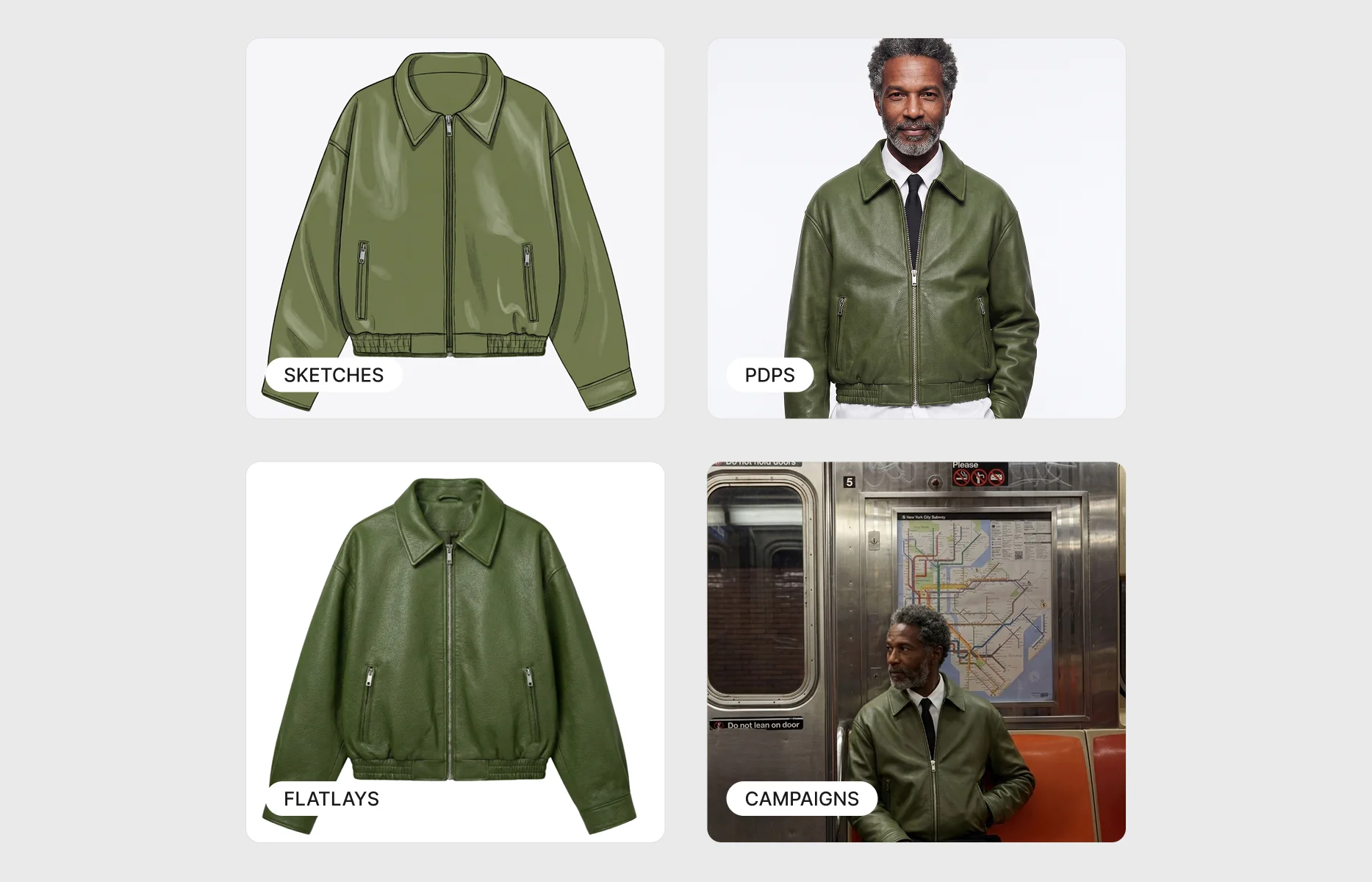
The mechanism matters. A packshot, a flat lay, or an existing on-model image becomes the starting point for new variants: a different pose, a new background, a seasonal setting, a format cut for a specific channel. Because the avatars, lighting, and styling are fixed to the brand, every variant lands on-brand without a fresh brief or a fresh shoot. Freshness becomes a matter of hours, not shoot days, and the constraint shifts from the studio calendar to the content calendar, where it belongs.
The rest of this guide breaks that down: why the demand is structurally different, how to produce against it without a shoot for every post, and how to keep the pace without letting the brand drift.
Why social eats imagery faster than production can supply it
Social commerce imagery has a shorter shelf life than any other format a brand produces. A PDP image earns its place for months. A social asset is spent in days, sometimes hours, and then the channel wants the next one.
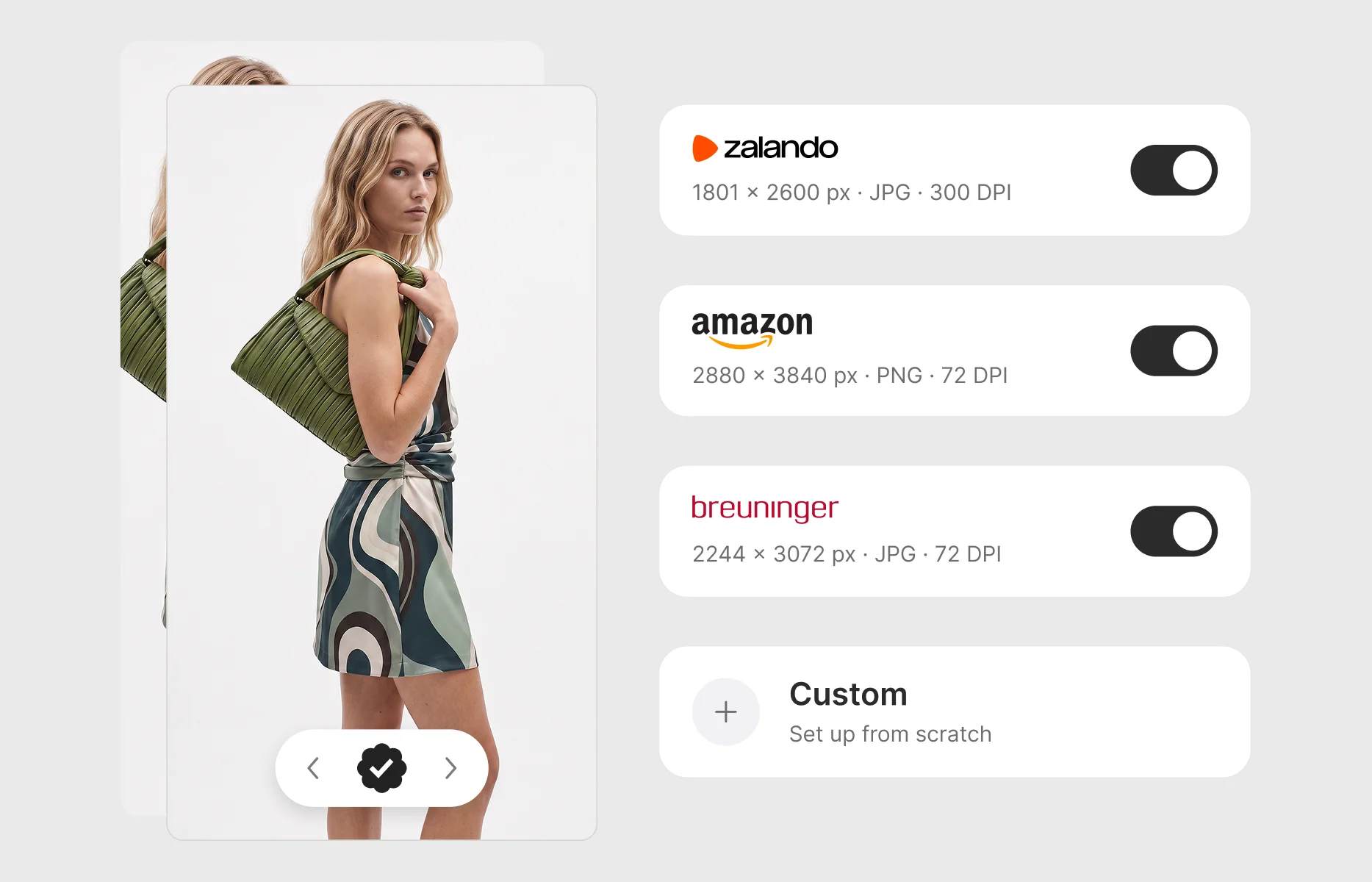
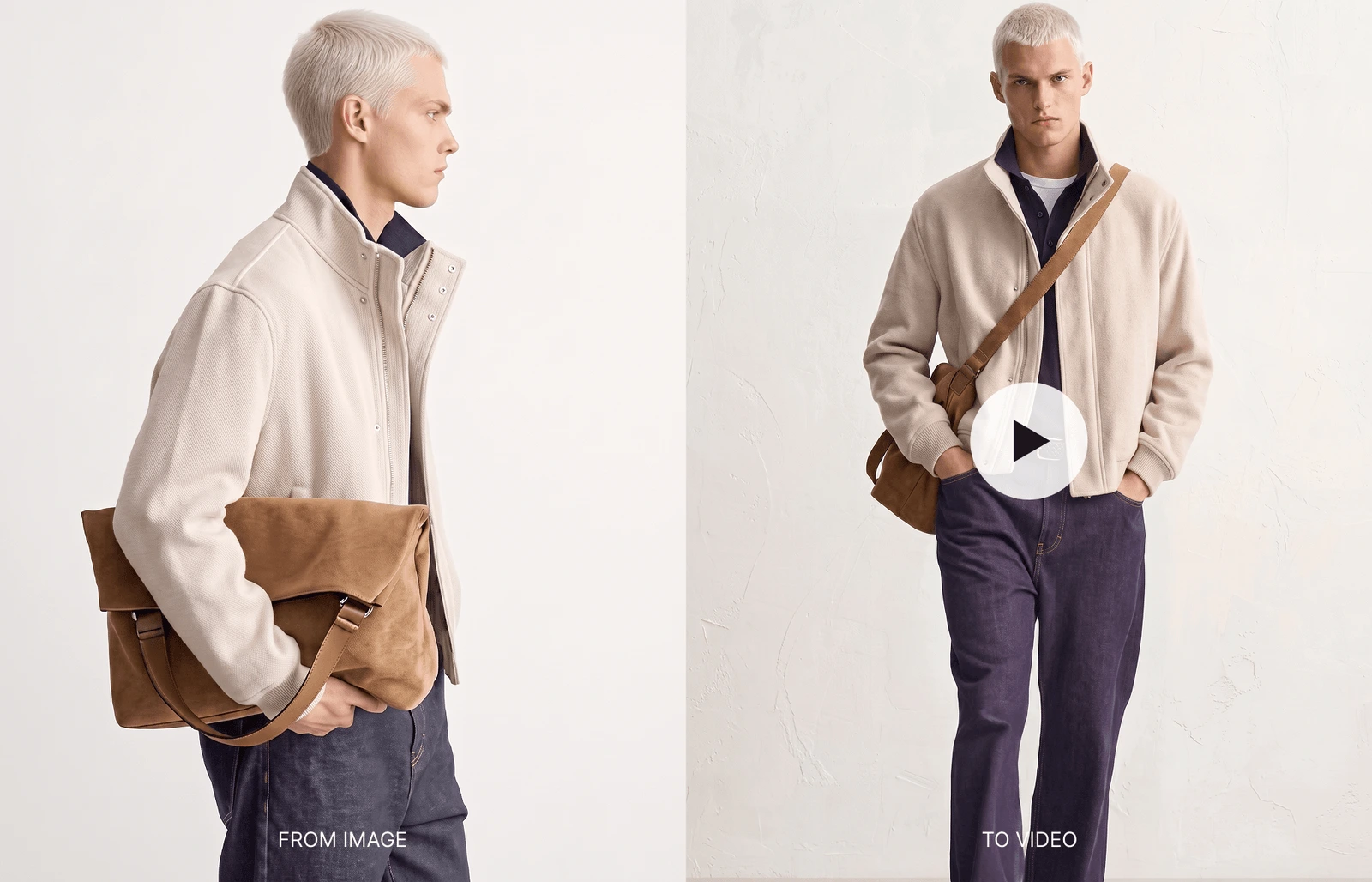
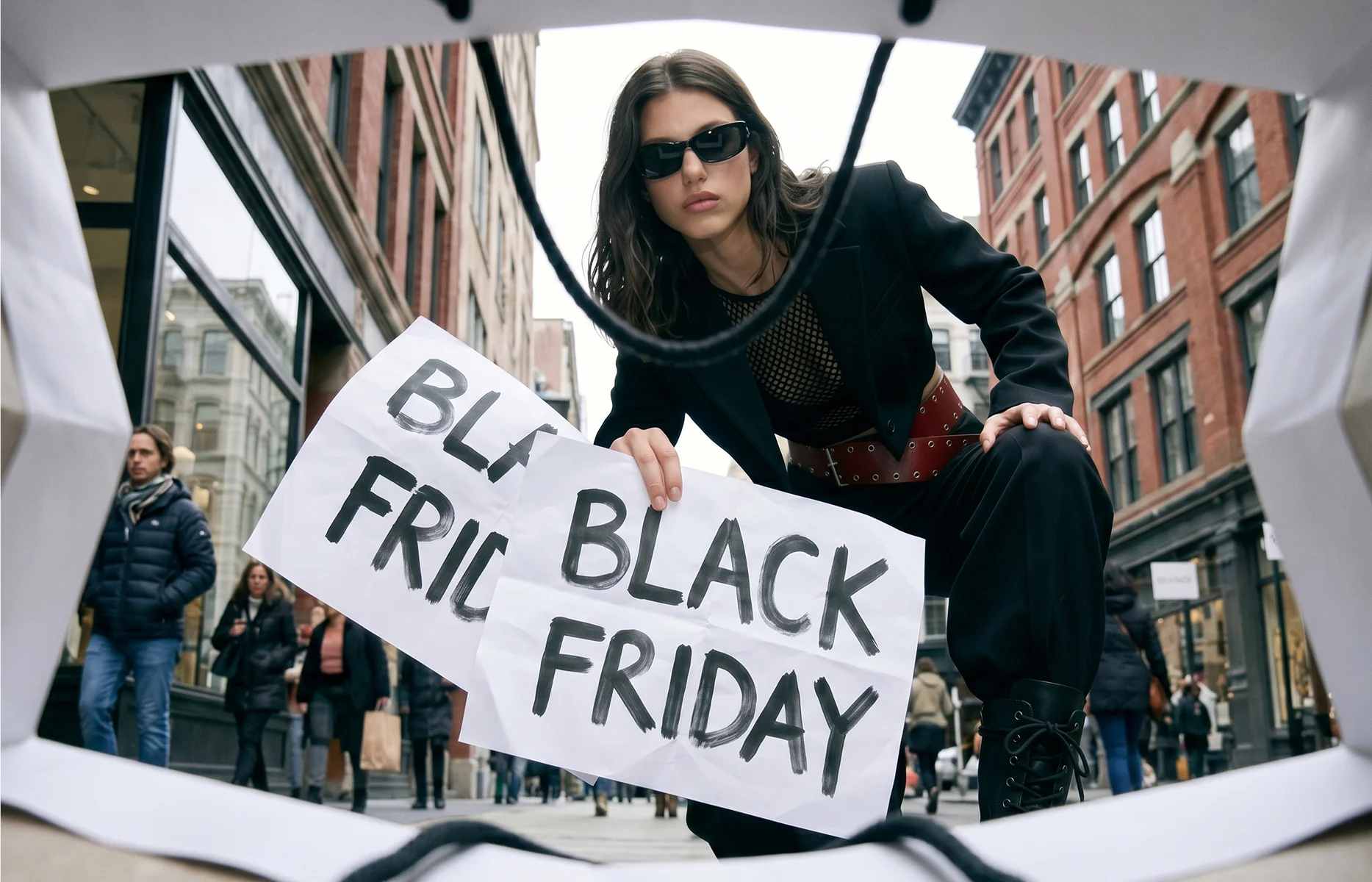
Four forces compound the demand. Channels multiply: the same product needs a different treatment for a feed post, a story, a shoppable tile, and a paid placement. Formats fragment: portrait, square, vertical video frames, each with its own crop and safe area. Testing cadence accelerates: brands that grow on social are running variants constantly, and every test needs its own creative. And trend response is unforgiving: when a moment lands, the brands that can produce against it that day capture it, and the ones waiting on a shoot miss it entirely.
Traditional production cannot pace any of this. A shoot produces a fixed set of assets on a fixed day, and by the time they are edited and live, the feed has already moved on. The long tail suffers first. Hero products get the shoot; everything else launches on social with whatever happened to exist, or does not launch at all. The result is a feed that looks strong at the top and thin everywhere else, which is the opposite of what a DTC brand needs when the whole catalogue is meant to sell.
What social imagery needs that product page imagery does not
It helps to be precise about what "fresh" means here, because social imagery is a different job from product page imagery, and treating them the same is part of why teams fall behind.
Product page imagery is built to inform. It shows the garment clearly, consistently, and in a way that helps a shopper who has already arrived decide to buy. Once it is right, it stays. Social imagery is built to interrupt. It has to earn attention in a feed, suit the mood of a channel, ride a moment, and then make way for the next thing. The same jacket might need one definitive set of PDP shots and dozens of social treatments across a season, each tuned to a placement, an audience, or a campaign beat.
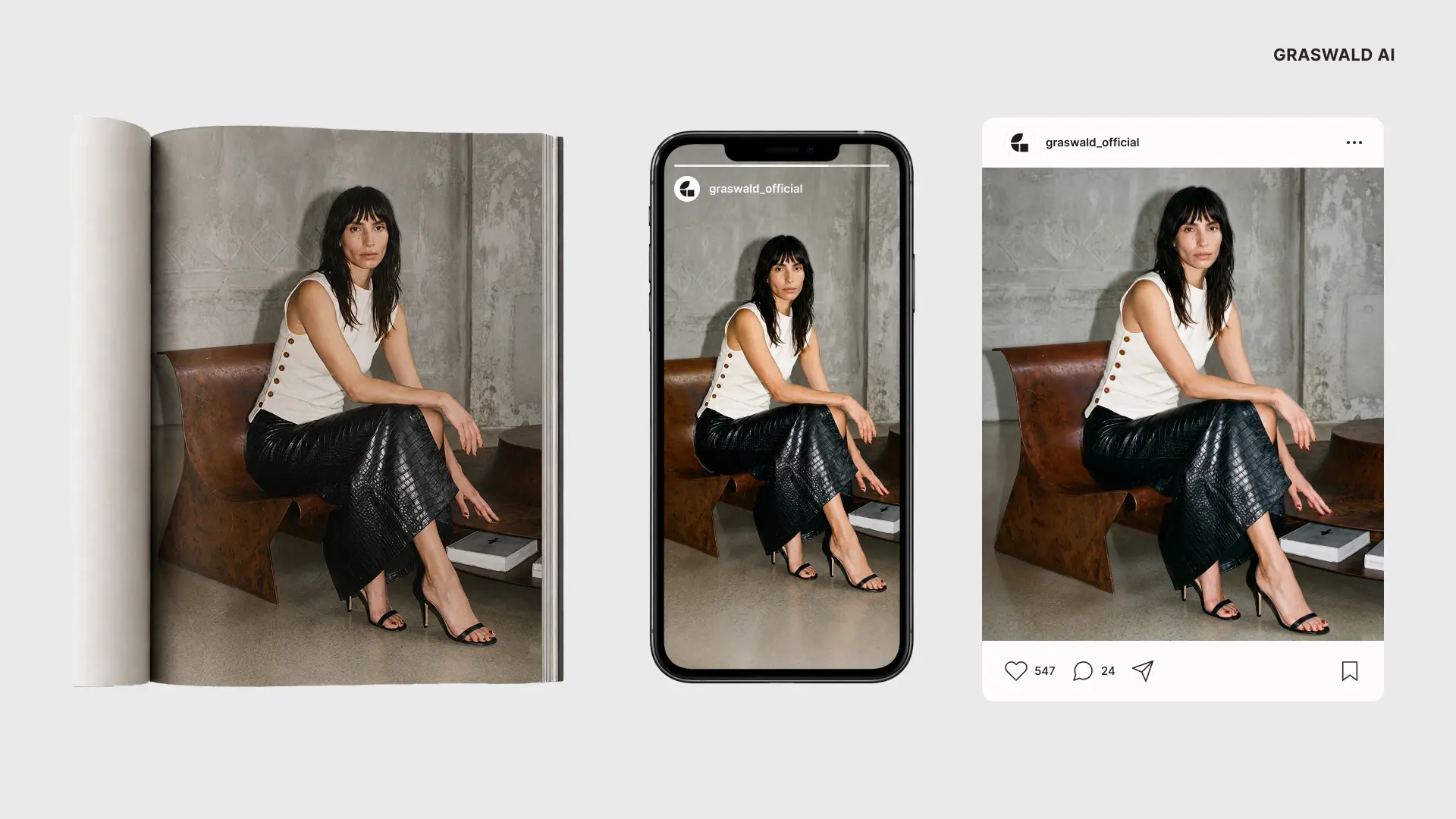
That difference is why social demand scales the way it does. A brand does not need more product page images as it grows; it needs the right ones. But it needs more social images almost without limit, because every channel, format, test, and trend is another call on the same catalogue. Understanding that the two formats have different lifespans and different purposes is what stops teams from either starving the feed or over-producing for the page. It also shapes how the imagery is made: PDP imagery rewards precision and repeatability, while social imagery rewards range and speed, and a production approach for social has to be built for variation rather than a single correct output.
Producing fresh imagery without a shoot for every post
The shift is from capturing imagery to generating it. Instead of a shoot producing a finite set of assets, a calibrated setup produces new on-model imagery on demand, from inputs the brand already owns.
In practice that means taking a packshot or an existing image and generating variants against it: the same garment in a new pose, on a different background, in a seasonal setting, styled for a specific campaign, cropped for a specific channel. One input becomes many finished assets, each one usable straight away rather than waiting on a retouching queue. A team can refresh a product's social presence, spin up creative for a test, or react to a trend without any of the logistics a shoot demands.
This is where velocity actually comes from. The slow parts of social production were never the ideas. They were the sample logistics, the shoot day, the edit, the reformatting for each channel. Remove those, and the bottleneck becomes how fast the team can decide what it wants, which is a far better problem to have.
Keeping it on-brand while moving fast
Speed is only useful if the output still looks like the brand. The risk with fast content is drift: a feed that grows inconsistent as volume climbs, where each asset was clearly made in isolation. For a DTC brand whose identity is its moat, that drift is expensive.
The safeguard is calibration. When the avatars, lighting, poses, and styling are configured to the brand once and applied automatically, consistency is enforced by the setup rather than remembered by whoever is producing that day. The tenth asset matches the first, the campaign variant matches the evergreen post, and the feed reads as one brand rather than a hundred separate briefs. Fast and on-brand stop being a trade-off.
Control stays with the team. The point is not to hand creative direction to a tool and hope. It is to set the direction once, your avatars, your look, your standards, and have the system execute it at the pace social requires, so the creative team spends its time deciding what to say rather than staging how to say it.
Calibration also unlocks the thing social rewards most: testing. When producing a variant is cheap and fast, a brand can run several creative directions for the same product and let performance decide, rather than betting a shoot budget on a single idea. Different backgrounds, poses, and framings can be generated and tested against real engagement, with the winners scaled and the rest retired. Traditional production made that kind of iteration a luxury, because every option carried a shoot cost. Generating on-brand variants makes it routine, and routine testing is how DTC brands compound their advantage on social over a season rather than guessing once per drop.
A workflow built for social velocity
The brands that sustain this treat social imagery as a production line, not a series of one-off shoots. The pattern is consistent: calibrate the brand setup once, keep a library of inputs ready, and generate against the content calendar as it fills.
Three habits make it durable. First, work from a living input library, packshots, flat lays, and existing on-model imagery, so there is always raw material to generate from. Second, build for the channel at the point of generation, producing the crops and formats each placement needs rather than retrofitting one asset to fit them all. Third, keep a fast review loop, so on-brand output can be checked and pushed live without leaving the workflow. Done this way, freshness stops being a scramble before every drop and becomes a steady output the feed can rely on, even across a catalogue running to thousands of SKUs [VERIFY: only keep an SKU figure here if we can tie it to a client or primary source; otherwise leave qualitative].
The compounding benefit shows up over a season. A team that has calibrated its setup and built its input library is not starting from zero each week; it is drawing on a growing base of brand-ready material and a workflow that gets faster with use. New products slot into the same system, seasonal refreshes reuse the same avatars, and the cost of staying fresh falls rather than rises as the catalogue grows. That is the difference between a feed that is maintained and a feed that is perpetually rescued, and it is why brands that make this shift early tend to stay ahead of the ones still booking a shoot for every push.
Frequently asked questions
How do brands keep social imagery consistent across different channels and formats?
By generating each channel's version from the same brand-calibrated setup rather than adapting one asset to fit everywhere. When the avatars, lighting, and styling are fixed to the brand, a feed post, a story, and a shoppable tile can all be produced on-brand in their own crops and formats, so the product looks like itself across every placement. Consistency across channels comes from producing for each channel at the point of generation, not from stretching a single image to cover them all.
Does AI-generated social imagery still look like our brand?
It does when the setup is calibrated to the brand rather than pulled from generic defaults. On-brand output at scale comes from fixing the avatars, lighting, poses, and styling to your identity and applying them to every asset, so consistency holds as volume grows. The difference between generic output and brand-specific output is whether the system was built around your look or someone else's average.
How quickly can a DTC brand refresh its social imagery this way?
Far faster than a shoot cycle, because the slow steps are removed. Once the brand setup is calibrated and there is a library of inputs to work from, generating a fresh variant or a channel-specific cut is a matter of hours rather than the weeks a shoot, edit, and reformat would take. The practical limit becomes the content calendar and the review loop, not the studio schedule.
Can this cover the whole catalogue, or just hero products?
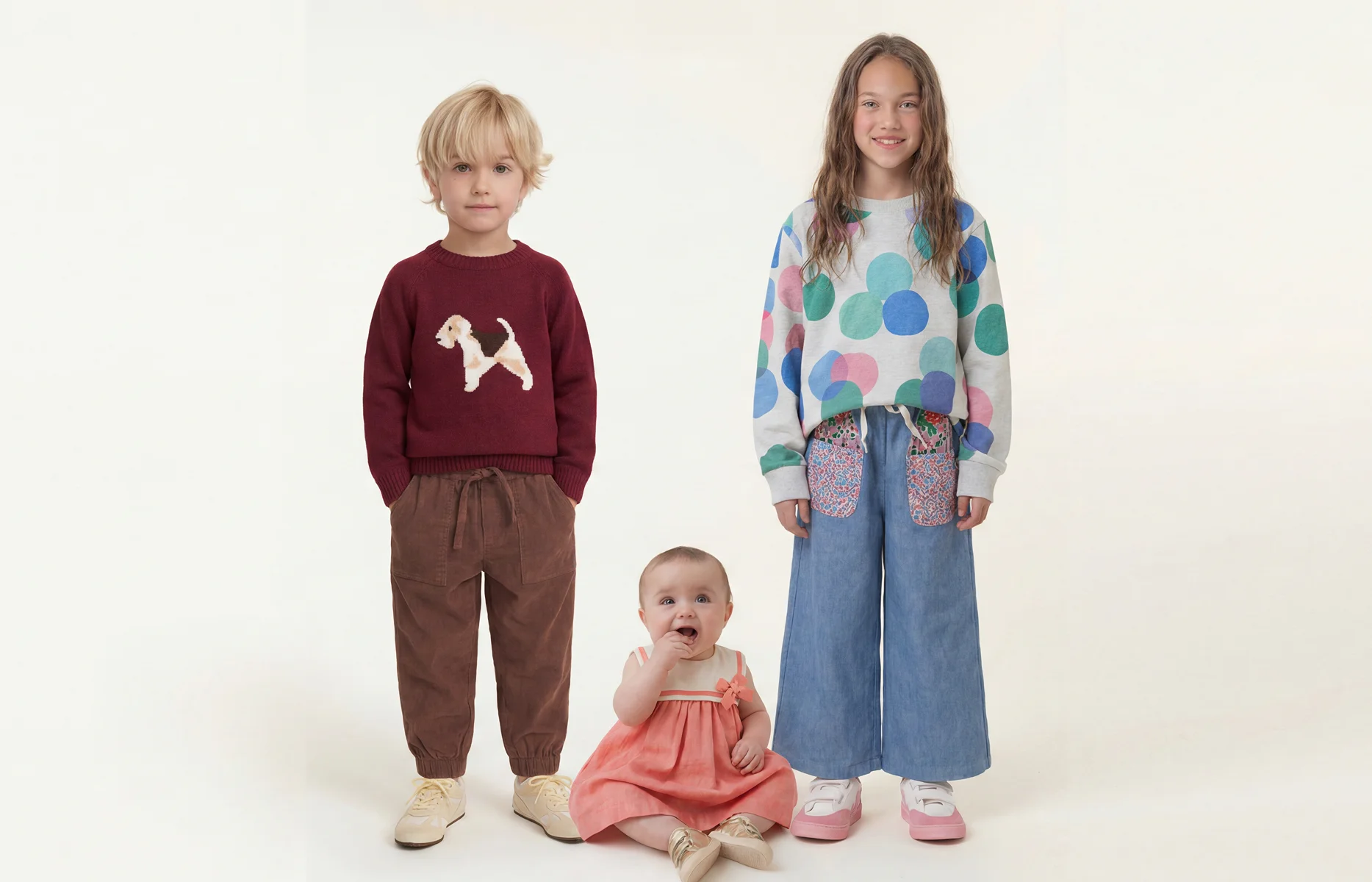
It is most valuable precisely where shoots do not reach: the long tail of products that never justified their own social shoot. Because every asset is generated from existing inputs on a calibrated setup, the products that would otherwise launch on social with a plain packshot, or nothing, can carry proper on-model imagery too, so the feed sells the full range rather than only the top of it.
Keep your feed fresh without a shoot for every post
The brands that win on social are not shooting more. They are generating more, from what they already have, on a setup built to hold their brand at pace. Book a demo with Graswald AI and bring the products your current process never has time to shoot for social, and see how fast the feed fills when freshness stops depending on the studio calendar.
.webp)



-p-1600.webp)

.webp)