.webp)
How AI On-Model Imagery Meets Enterprise Brand Quality Standards
.webp)
In short: it meets them when the platform is calibrated to the brand and stays faithful to the garment - the real fabric, fit, colour, and detail. The output that looks obviously AI comes from generic tools used without calibration, not from the category itself. Graswald AI is built to hold that standard, and the honest way to confirm any platform can is to test it on the garments that usually expose AI tools, not the ones that flatter them.
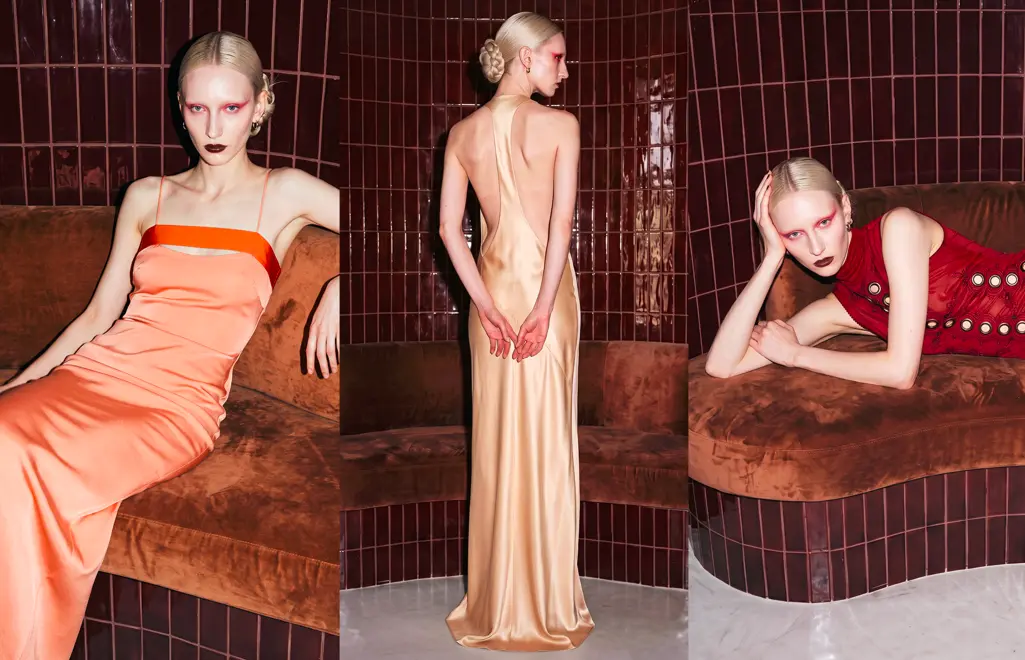
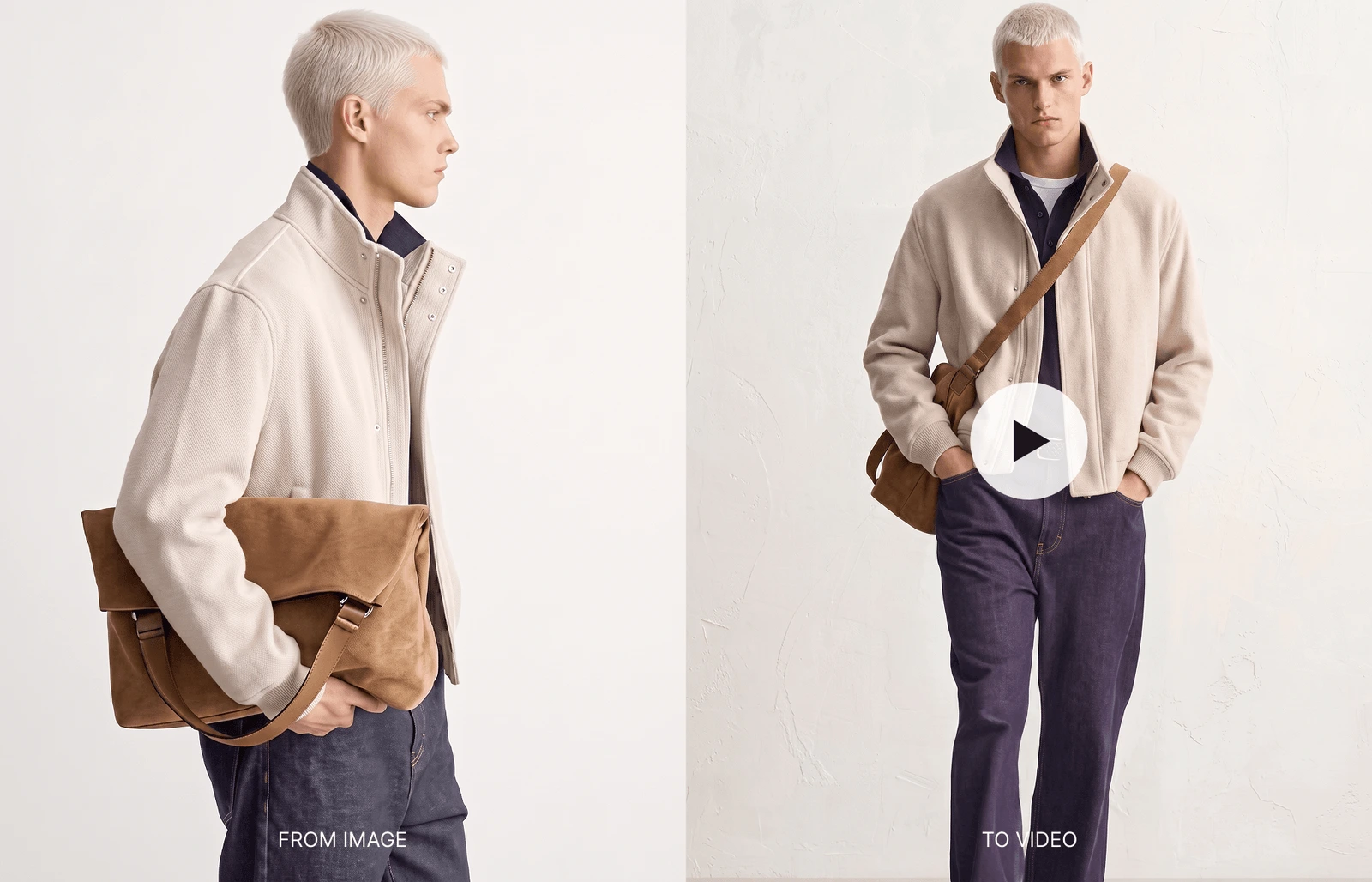
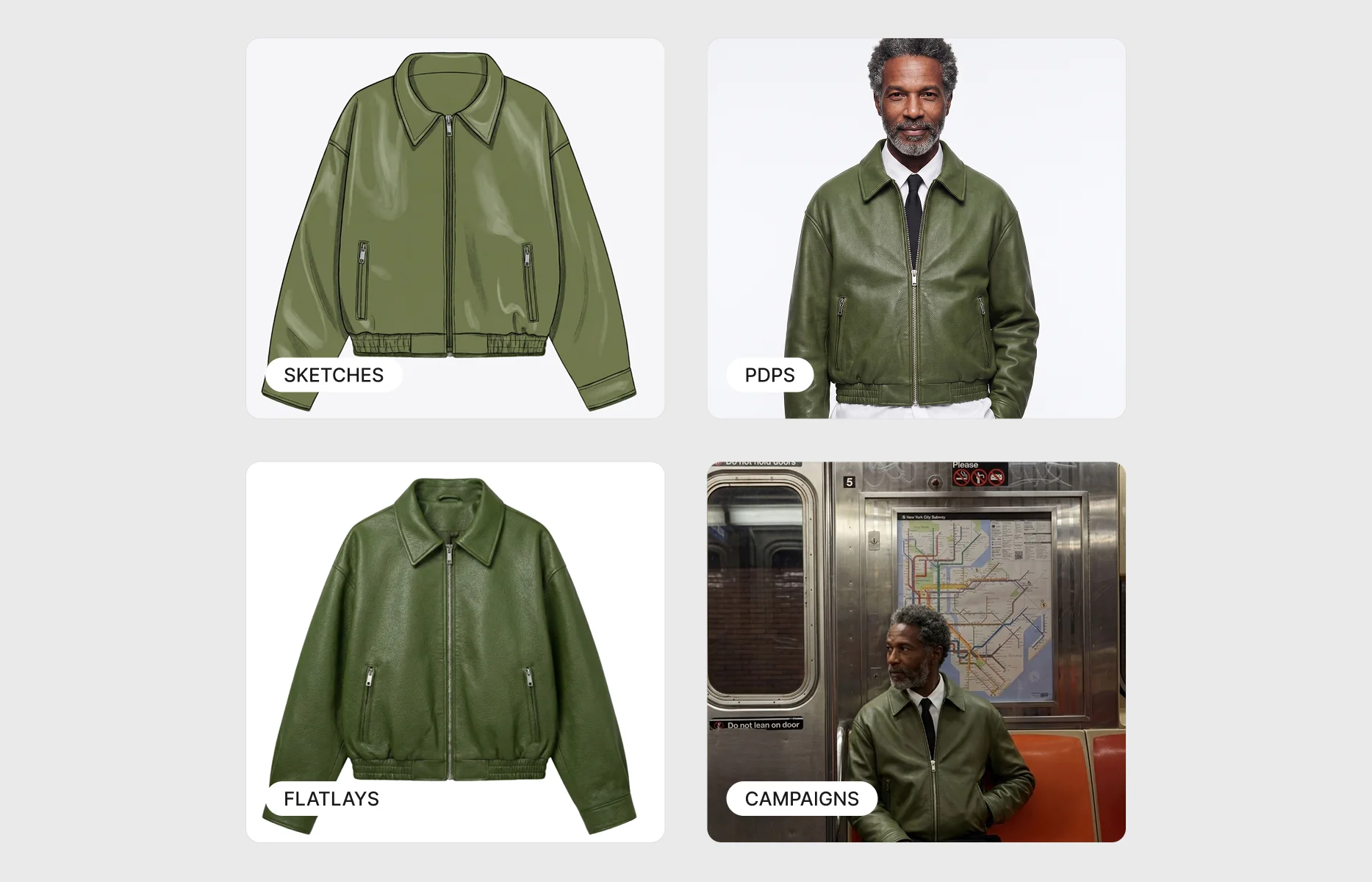
On-model imagery here means the on-model photography that appears on a product page, produced by an AI avatar from a garment input you already have, such as a packshot, flat lay, or ghost mannequin shot.
The objection is reasonable, and it usually comes from one bad experience
"AI cannot handle our quality standards" is the objection enterprise fashion teams raise most, and it is worth taking seriously rather than arguing past. It is rarely an abstract fear. It usually traces to a specific moment: a team tried a generic image tool or an agency experiment, the output looked plausible in a thumbnail and fell apart at full size, and the conclusion stuck. The fabric looked invented. The fit was wrong. The logo was mangled. So the scepticism is earned, and telling someone their experience was not real does not move them.
The mistake in that conclusion is not the observation, it is the generalisation. A tool that produced poor output is evidence about that tool, not about whether the category can meet a brand standard. The two are different questions, and conflating them is what keeps a lot of capable teams on the sidelines. The useful discussion is not whether AI imagery can be bad - of course it can - but what separates output that survives enterprise scrutiny from output that does not, and how to tell the difference before you commit.
This piece sets out what quality actually means for fashion imagery, why some AI output looks obviously generated, and how to test a platform against your own standard rather than a vendor's showreel.
Can AI on-model imagery meet enterprise brand quality standards?
Yes, on two conditions. The platform has to be calibrated to the brand rather than drawing on generic defaults, and it has to stay faithful to the actual garment rather than approximating it. Where both hold, the output is built to survive the scrutiny a large fashion brand applies to every image on its site. Where either is missing, it will not, and no amount of volume fixes that.
The rest comes down to specifics. "Quality" is not a single verdict a shopper delivers at a glance. It is a set of distinct judgements about fabric, fit, colour, detail, and brand fit, and an image can pass on some and fail on others. Understanding those dimensions is what lets a team assess a platform properly instead of reacting to a first impression.
What "quality" actually means for fashion imagery
Fashion teams do not evaluate an image as a whole. They read it in parts, the same way they read a sample, and any one part can sink it.
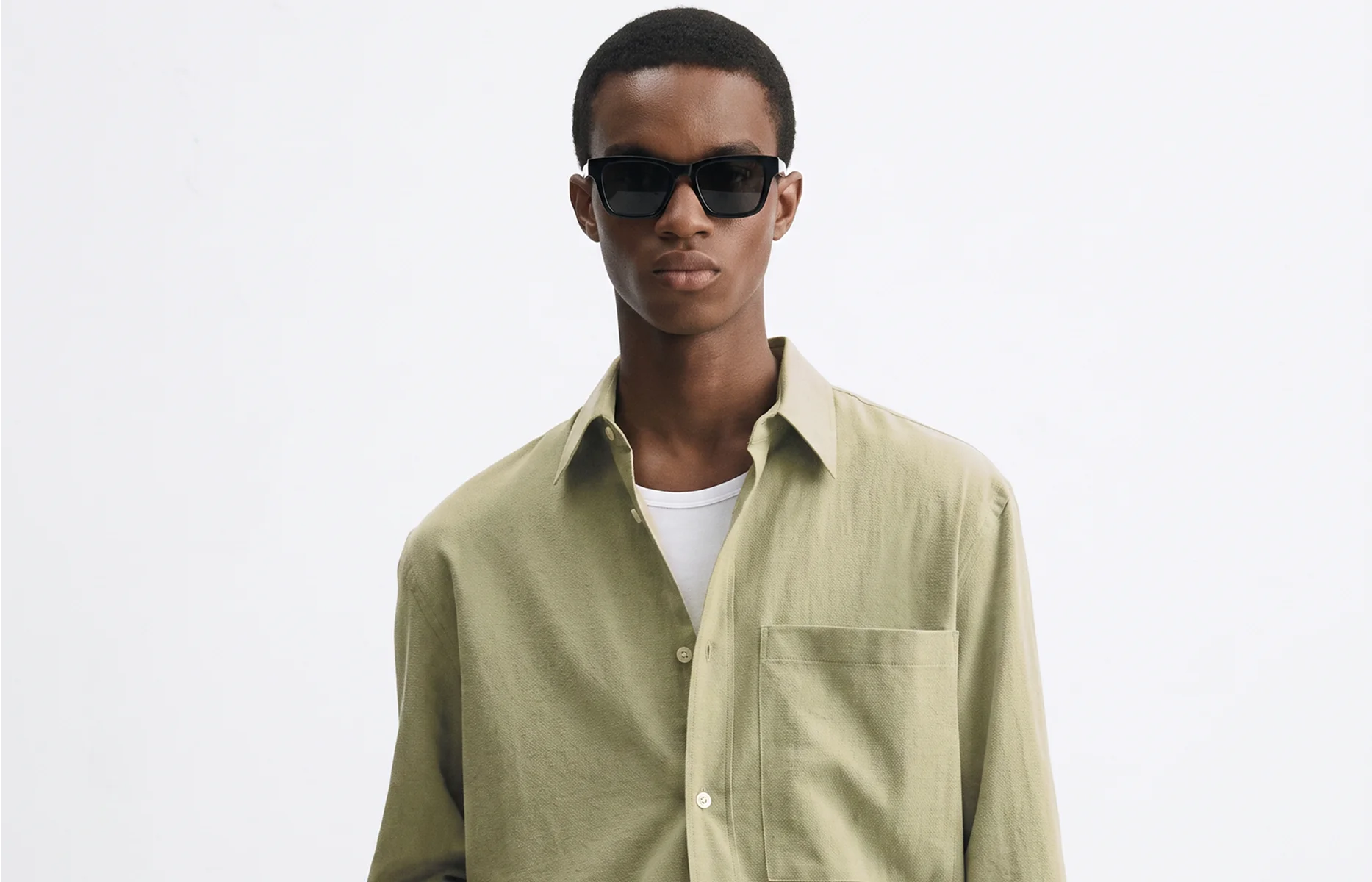
Fabric and texture come first. A knit has to read as a knit, a technical shell as a technical shell, a satin as a satin. Generic tools tend to invent surface detail or smooth it away, and on a material with real structure that is immediately obvious to anyone who knows the product.
Fit and drape are next, and they are where believability is usually won or lost. Clothing hangs, folds, and tensions in specific ways on a body. Imagery that gets the garment shape roughly right but the drape wrong looks uncanny even to a shopper who could not explain why.
Colour accuracy matters more in fashion than almost anywhere else, because a colourway is a commercial decision and a returns risk. If the on-screen colour drifts from the real garment, the brand has misrepresented the product, and the cost lands later as a return.
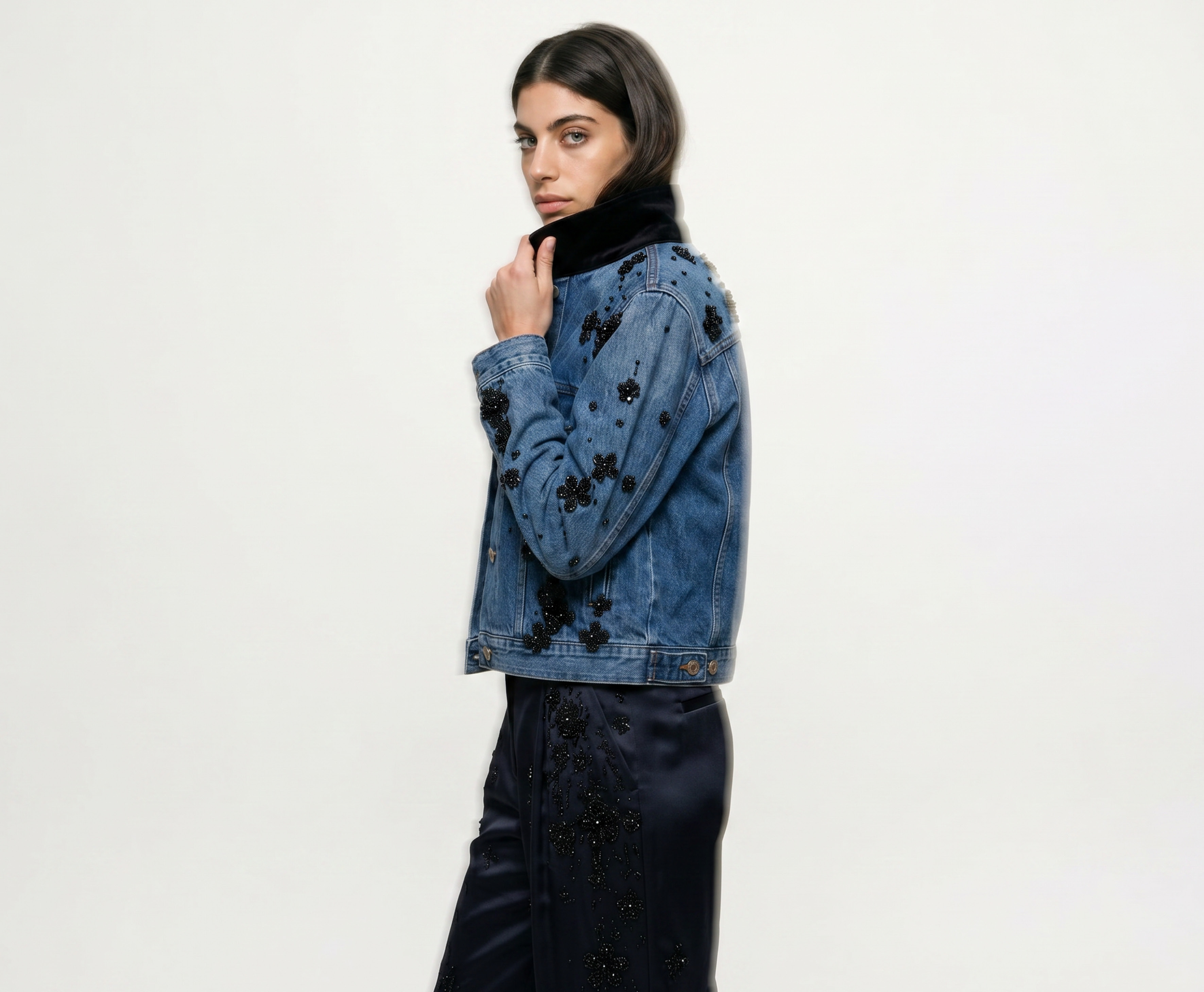
Logo and trim fidelity is the detail that betrays weak output fastest. A distorted logo, a mangled zip pull, or an invented button is disqualifying regardless of how good the rest of the frame looks. This is precisely the kind of fine detail that needs to survive generation intact rather than be repaired by hand afterwards.
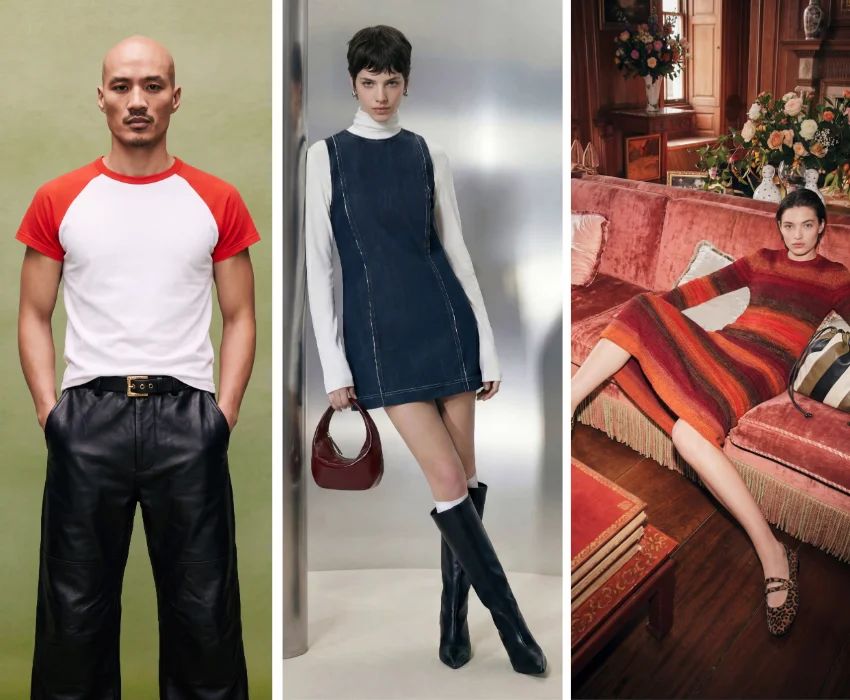
Brand-consistent styling and lighting is the last layer. Even a technically accurate image fails if the avatar, pose, lighting, and treatment do not match the brand's established look, because inconsistency across a catalogue reads as amateurish even when each single image is fine.
What raises the bar in fashion specifically is the cost of getting any of these wrong. An inaccurate colourway or a poorly rendered fabric does not simply look off - it drives returns when the delivered garment does not match the picture, it erodes the brand equity a house has spent years building, and for a luxury label it carries a reputational risk a discount retailer would never weigh. Product imagery is not decoration in fashion; it is the primary way a shopper judges a garment they cannot touch. That is why fashion teams scrutinise imagery more closely than most other categories do, and why "close enough" is not a standard that survives contact with a live product page.
Quality, in other words, is the image clearing all of these at once, across every SKU, not just in a hero shot chosen for a demo.
Why some AI imagery looks obviously AI-generated
When output looks generated, it is almost always for one of two structural reasons, and neither is inherent to the technology.
The first is a generic model. A tool that has not been calibrated to a specific brand produces the model's defaults - a generic face, a generic body, a generic aesthetic that could belong to anyone. It may be competent, but it is not the brand, and against a real visual identity it looks like a stand-in. It also tends to invent what it does not know, which is where the fabricated textures and warped details come from.
The second is per-image prompting. When each image depends on an operator writing a fresh instruction, no two come out quite the same, and the drift accumulates across a catalogue into visible inconsistency. Consistency at scale is not something you can prompt your way to by hand.
Brand-calibrated production avoids both. The avatars, lighting, poses, and styling are configured once and applied automatically, so the output reflects the brand rather than a default, and it holds together across thousands of SKUs rather than varying image to image. Fidelity to the garment is handled as an engineering problem, not left to chance - including the fine detail, where dedicated logo and trim repair keeps branding and hardware intact rather than hoping generation gets it right. The failures that make imagery look generated are the failures of tools that skip these steps.
There is also a scale dimension that a single frame hides. A tool can produce one convincing image and still miss the enterprise bar, because enterprise quality is not one good image but the same standard sustained across thousands. Output that looks strong in a hero shot and then drifts across the long tail is the exact pattern most teams recognise from a first attempt, and it is why quality has to be judged on a batch, at volume, rather than on the single sample a vendor chooses to put forward.
How to test quality before you commit
Do not judge a platform on the image it chose to show you. Judge it on the garments you know are hard.
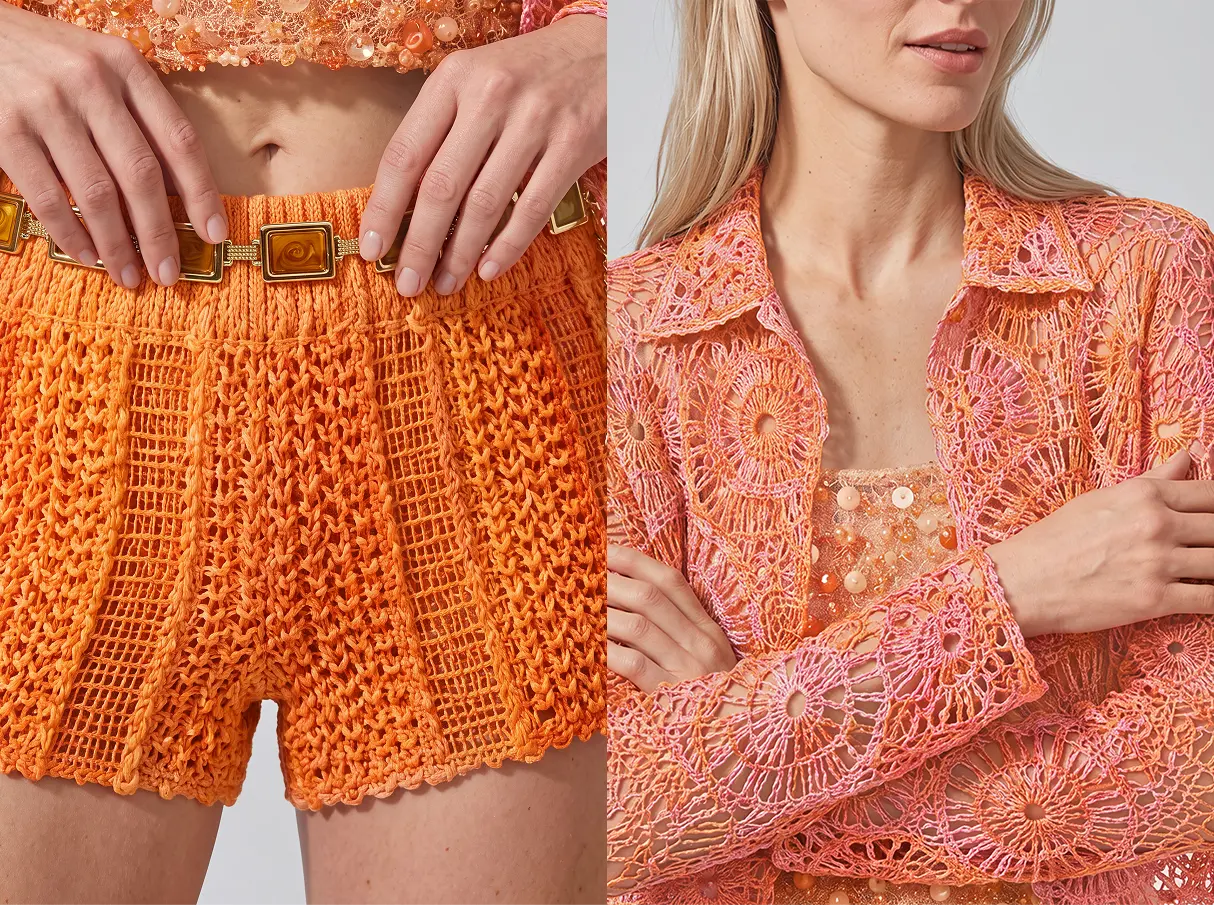
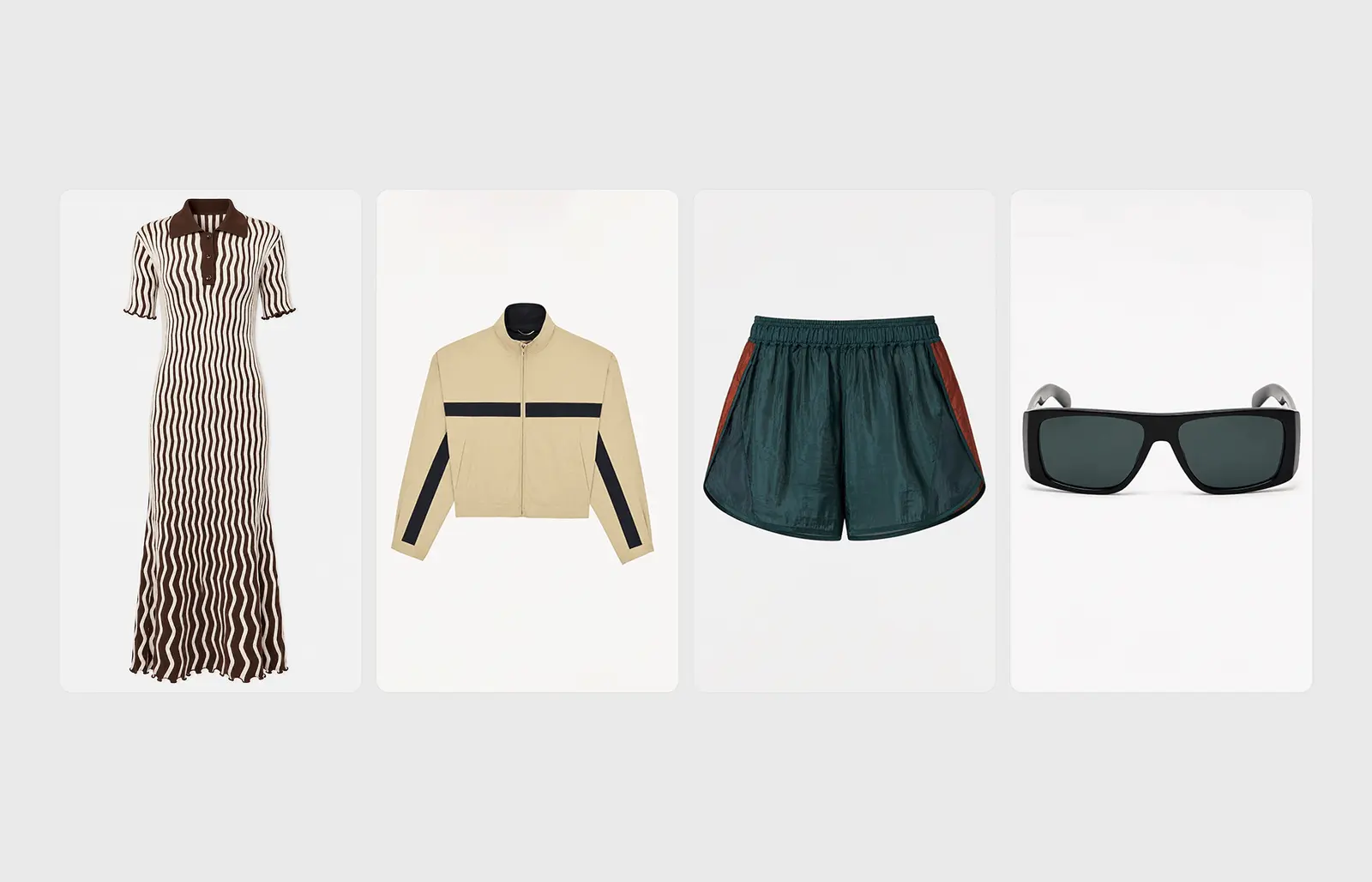
Bring your worst cases: the sheer fabrics, the heavy knits, the structured tailoring, the pieces with fine trim or a prominent logo, and the colourways that never photograph the way they should. Run a real batch through the platform, not a single frame, and look across the set for two things at once - whether each image holds up to scrutiny on fabric, fit, colour, and detail, and whether the images hold together as a coherent collection rather than a series of one-offs. That combination, individual fidelity and catalogue coherence, is the enterprise bar, and it is the one a demo image never tests.
It is a fair question whether any AI platform clears that bar in practice. The honest answer is that enterprise fashion brands already run brand-calibrated on-model imagery on live product pages, held to exactly this standard, working from flat lays, packshots, and factory images rather than finished samples. That is the bar worth holding any platform to: not "good for AI", but indistinguishable from the studio shot in the context where it will actually be used.
Make the test decisive by involving the people who will judge the output in production. The senior creative or studio lead who owns the brand's visual standard, and whoever holds a veto over quality, should see the batch before a decision is made, not after it. Scope it as a bounded pilot - one category, or one collection's long tail - run end to end from input to approved, channel-ready image, so the assessment reflects real conditions rather than a curated preview. A test scoped and staffed this way answers the quality question with evidence the whole team trusts, which is often what turns a cautious internal evaluator into the platform's strongest advocate.
Quality is only one of the criteria a platform has to clear - consistency, workflow, and compliance matter too - but it is the one that decides whether the others are even worth assessing. This piece answers whether the output will be good enough. Choosing between the platforms that clear that bar is a separate question, and a separate exercise.
Frequently asked questions
How realistic is AI on-model imagery for luxury fashion?
Realistic enough for luxury when the platform is brand-calibrated, and not when it is not. Luxury is the hardest test because brand control is absolute and any generic or approximate output is immediately disqualifying. The realism that clears that bar comes from avatars, lighting, and styling built for the specific house, combined with faithful rendering of fabric, drape, and detail, so the imagery reads as the brand's own rather than as a generic AI aesthetic. Generic tools do not reach it; calibrated production can.
How accurate is AI on-model imagery for fabric, fit, and logos?
As accurate as the platform's fidelity to the real garment, which varies enormously between tools. Strong output preserves the actual weave and texture, the way the garment drapes and tensions on a body, the true colour of the colourway, and the exact form of logos and trim. Weak output approximates these and invents the rest. Accuracy on the hardest categories - technical fabrics, structured tailoring, fine hardware - is the fastest way to tell the two apart, which is why they are the right test cases.
Does AI-generated fashion imagery look real enough for enterprise product pages?
It does when it is produced to an enterprise standard, and enterprise teams should hold it to exactly that. The test is not whether an image looks acceptable in isolation but whether it survives full-size scrutiny on fabric, fit, colour, and detail, and whether it stays consistent across an entire catalogue. Imagery that meets both is used on live product pages by enterprise fashion brands today. The way to confirm it for your own catalogue is to generate your hardest garments and judge the result against the studio shot you would otherwise have taken.
See it on the garments that usually break AI tools
The only test that settles the quality question is your own. Book a demo with Graswald AI, bring the technical fabrics, the fine trims, and the colourways that never come out right, and judge the output against the standard you hold your studio shots to.



-p-1600.webp)

.webp)