.webp)
How Graswald AI models enable greater personalisation and localisation while optimising costs


Personalised content drives 10-15% revenue increases for ecommerce retailers, but traditional photoshoots make producing it at scale too expensive.
In this article, we’ll explain how Graswald AI solves this by providing brands with a library of custom AI fashion models and virtual avatars, enabling diverse, market-specific content at a fraction of traditional shoot costs.
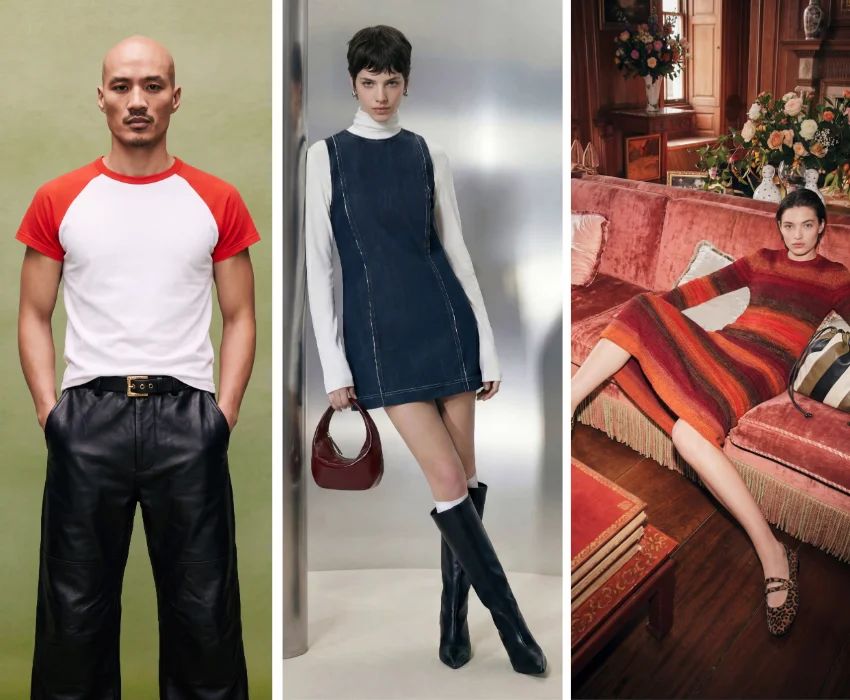
Brands can localise content for any market in hours, represent any body type or demographic, and eliminate model fees, studio bookings, and sample logistics - without sacrificing brand accuracy or product fidelity.
Why can't traditional photoshoots deliver personalisation at scale?
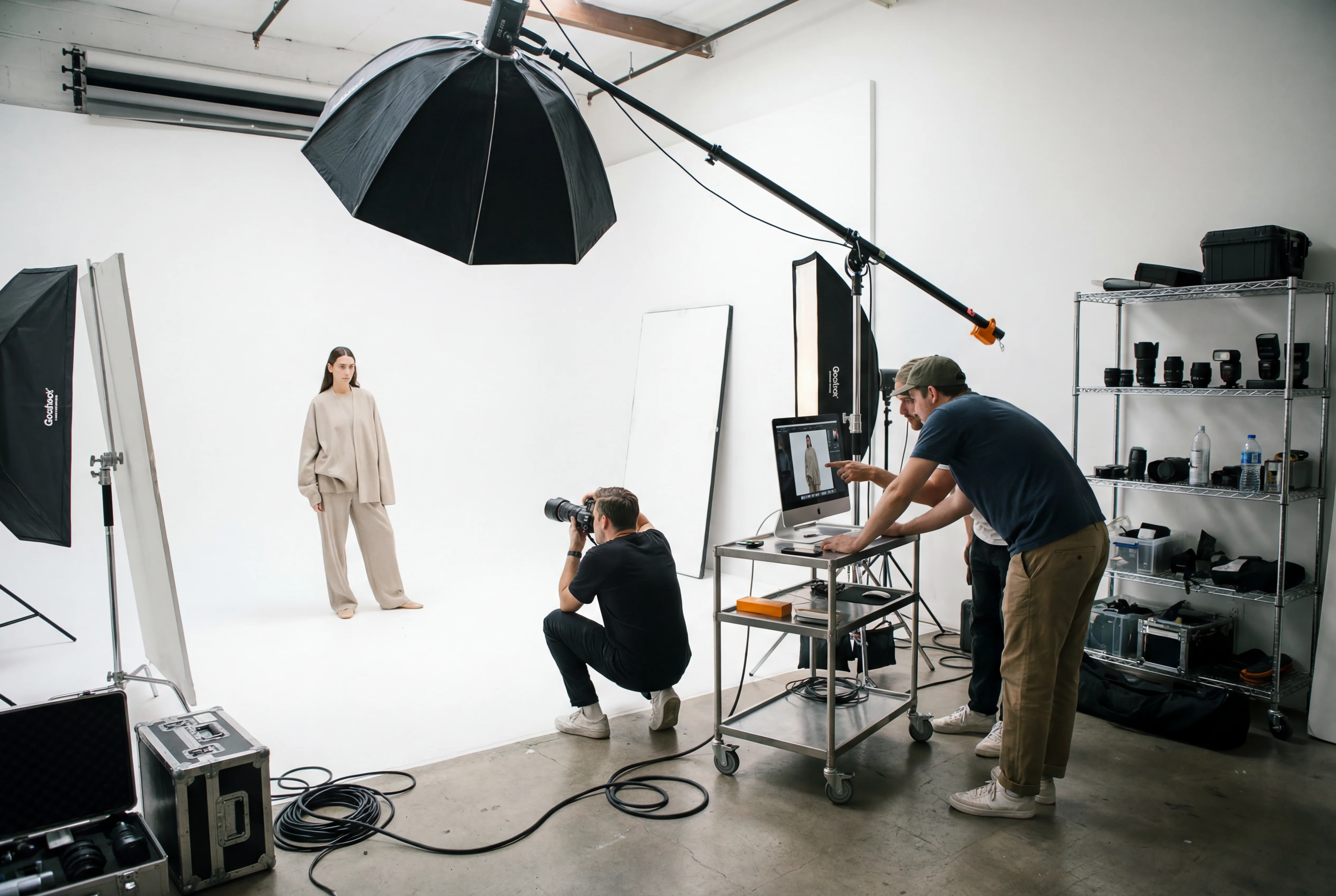
Traditional photoshoots cannot deliver personalisation at scale because the cost, logistics, and physical constraints of production make it commercially unviable. More markets, body types, and demographic segments require more shoot days, more models, and more budget - a proportional cost increase that most brands simply cannot sustain alongside growing catalogue volumes.
The cost and volume squeeze
Producing content for multiple markets, body types, or demographic segments means more shoot days, more model bookings, more studio time, and more post-production. Beyond cost, there is a ceiling on what a studio can produce - representing more people requires more models, more shoot days, and more coordination.
Scaling up means a proportional increase in logistics and cost, and for most brands, the budget simply does not stretch to this. Talent is not getting cheaper, but the volume of content that brands need is increasing. The result is a gap between the personalised content brands know they need and what they can actually afford to produce.
Difficulty in affording models for every market
International brands face a specific and often overlooked problem: sourcing models who represent the demographics of every market they serve. Finding models that reflect specific regional audiences can be difficult, expensive, and in some markets simply not feasible.
When centrally produced content does not resonate in specific markets, regional teams realise they need more locally relevant content. They then face the costly overhead of a local shoot: finding models, booking studios, and navigating approval cycles with the central brand team.
Brands are then left with a difficult choice: publish content that does not resonate locally and accept lower conversion, or invest in local shoots that many regional teams cannot sustain.
Niche model categories are especially difficult to source
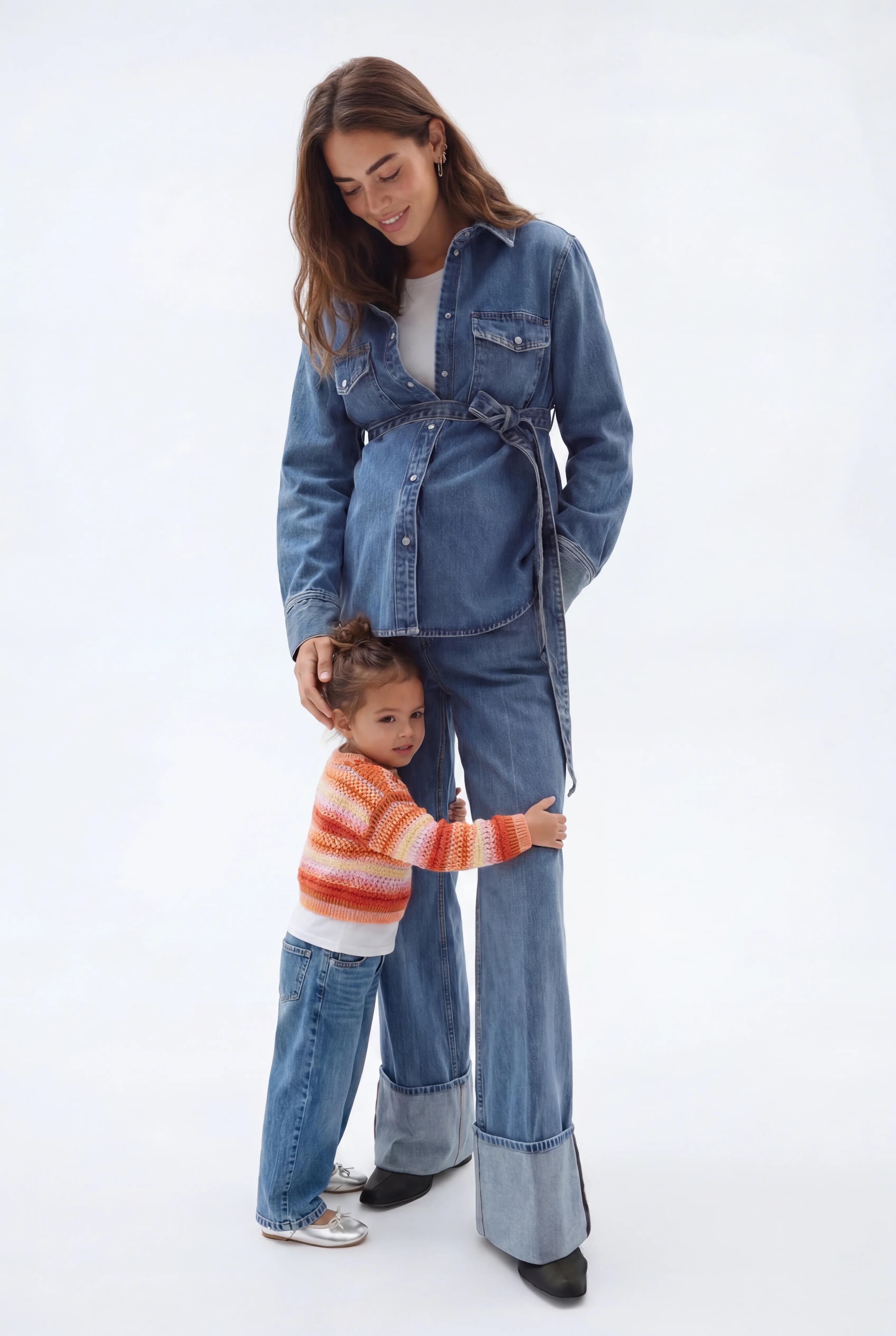
Some categories present particular challenges regardless of geography. For example, pregnant models and child models are hard to source, expensive to book, and surrounded by additional legal and logistical complexity. These are production problems that brands often avoid by simply not producing the content at all.
Even for brands with straightforward demographic targets, there are persistent mismatches between the models available and the models brands actually want. For example, imagine a brand whose target customer is in their late thirties to forties, but whose preferred body type for showing garments skews more athletic - but it’s hard to find older models with this kind of physique.
Why do general-purpose AI tools fail at personalised content production?
For brands that have tried to solve the personalisation problem with general-purpose tools like Gemini or ChatGPT, the limitations become apparent quickly. They cannot maintain consistent model identities across a catalogue, cannot build reusable brand avatars, and require heavy manual oversight that doesn't scale. And the post-production corrections they generate erase most of the time savings they appear to offer, making them commercially unviable for high-volume personalisation workflows.
Model identity isn’t consistent
Generic tools can generate images of diverse models, but they cannot maintain a consistent model identity across a catalogue. Over hundreds of SKUs, faces subtly shift, body proportions change, and any sense of a coherent identity built around specific virtual personas breaks down.
No reusable brand identity
Brands cannot build a house model - a virtual avatar that customers recognise across the catalogue and associate with the brand's aesthetic - using general-purpose tools. Every generation starts from scratch, making it impossible to build the consistent, recognisable model presence that drives brand trust and conversion.
Not scalable for localisation
General tools can produce individual localised images with careful prompting, but the process does not scale. It requires significant personal oversight and manual quality control for every image. Handing this off to a team member or repeating it reliably at volume is not realistic.
Post-production burden erases the savings
The time savings that general tools appear to offer largely disappear in post-production. Garment accuracy issues, inconsistent backgrounds, and framing errors all require manual correction before images can go live. For personalisation workflows where asset volumes are already high, this makes general tools commercially unviable at scale.
How does Graswald AI enable personalisation and localisation while staying on-brand?
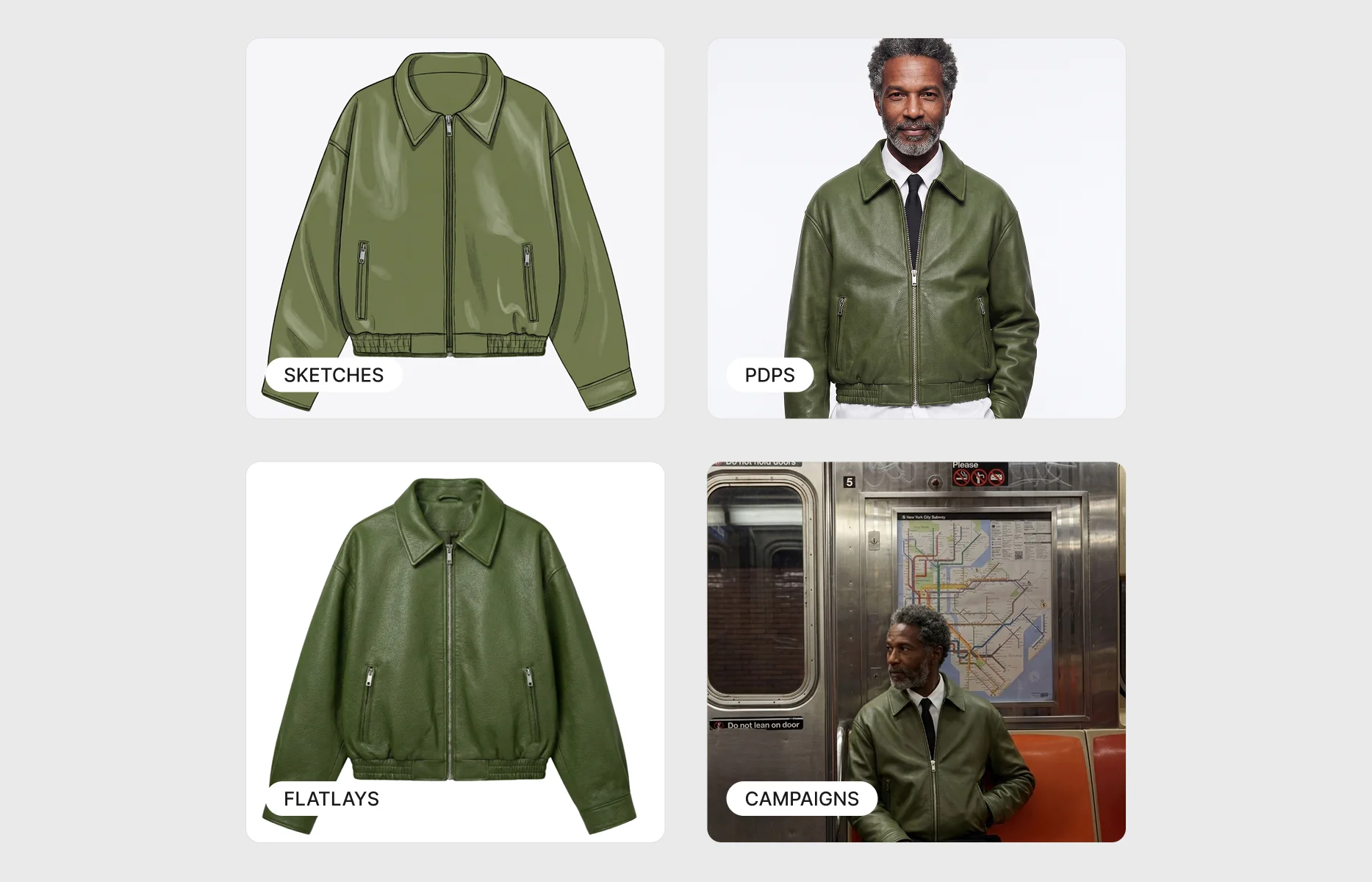
Graswald AI’s content operating system (OS) allows ecommerce brands to easily produce high-quality content personalised to different demographics and markets, without the complexity and costs of traditional shoots.
The platform enables brands to create custom virtual model avatars built to exact specifications , and produce content for traditionally difficult categories like maternity and childrenswear - all while maintaining the brand accuracy and consistency that creative directors require.
Custom AI avatar creation
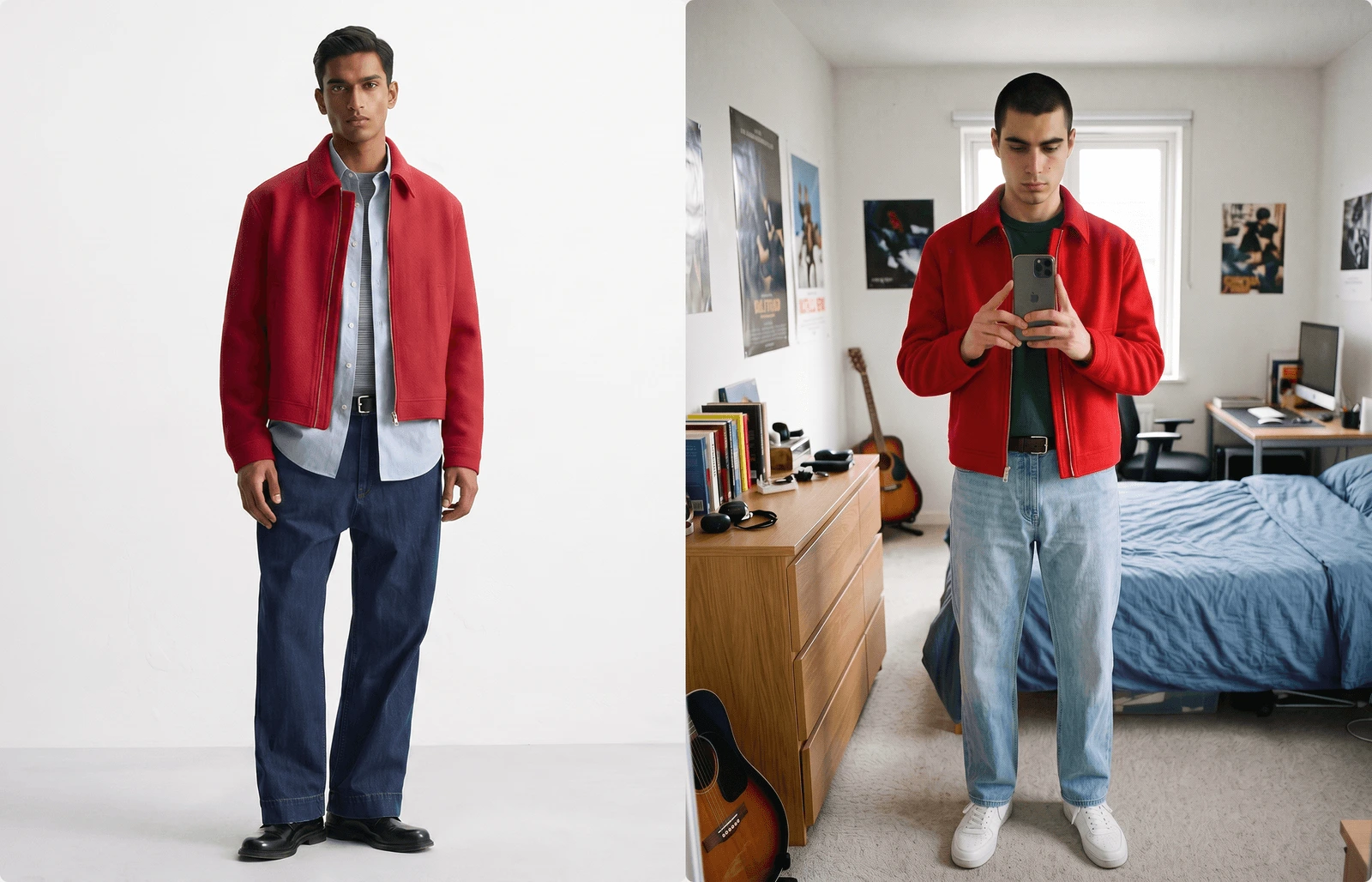
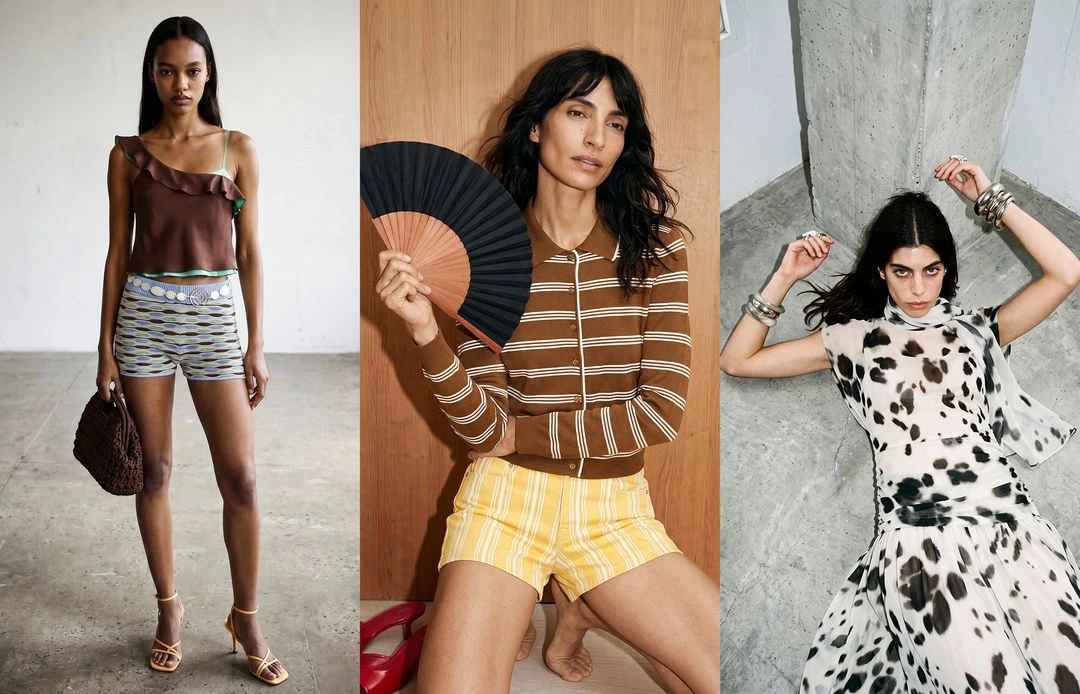
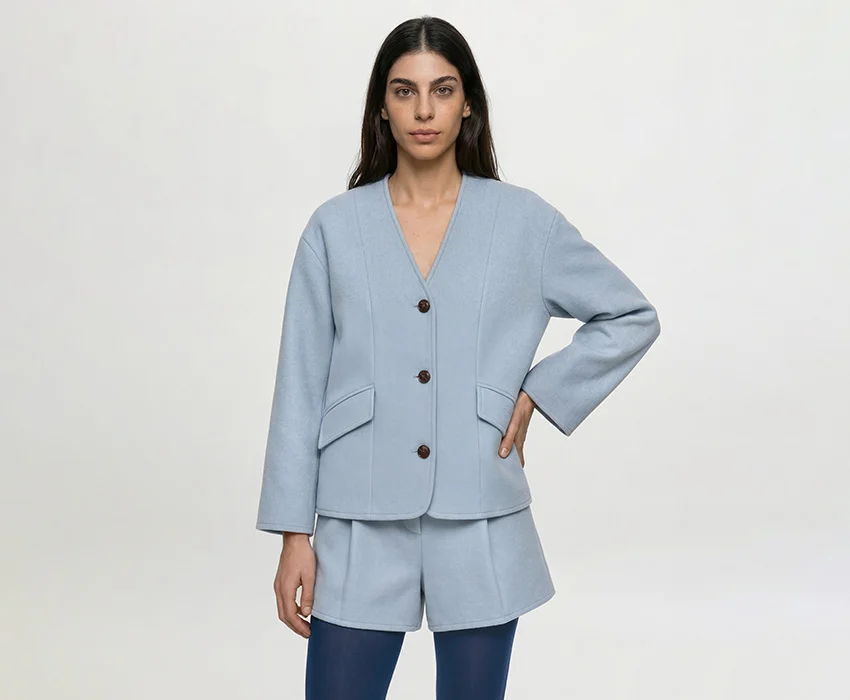
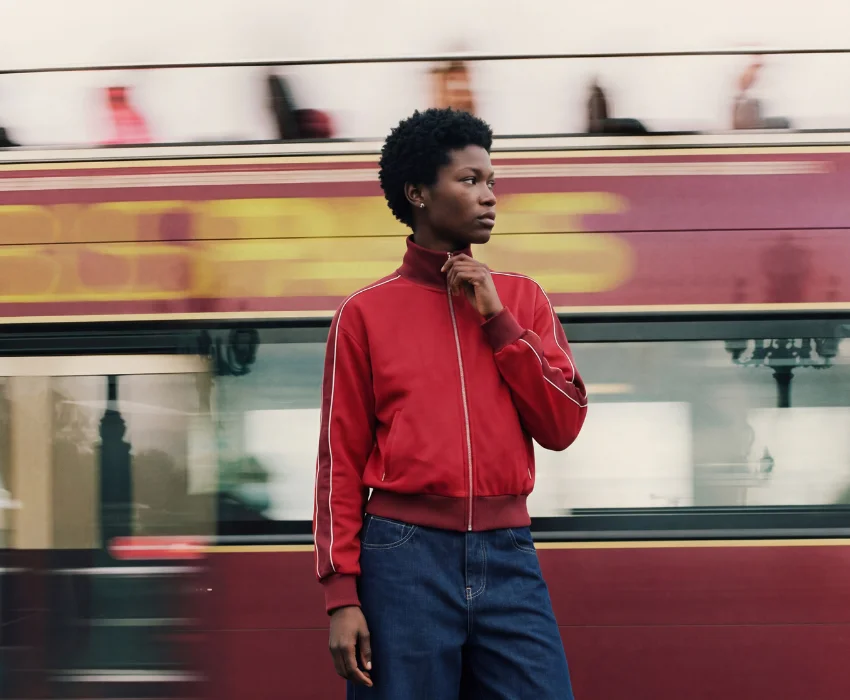
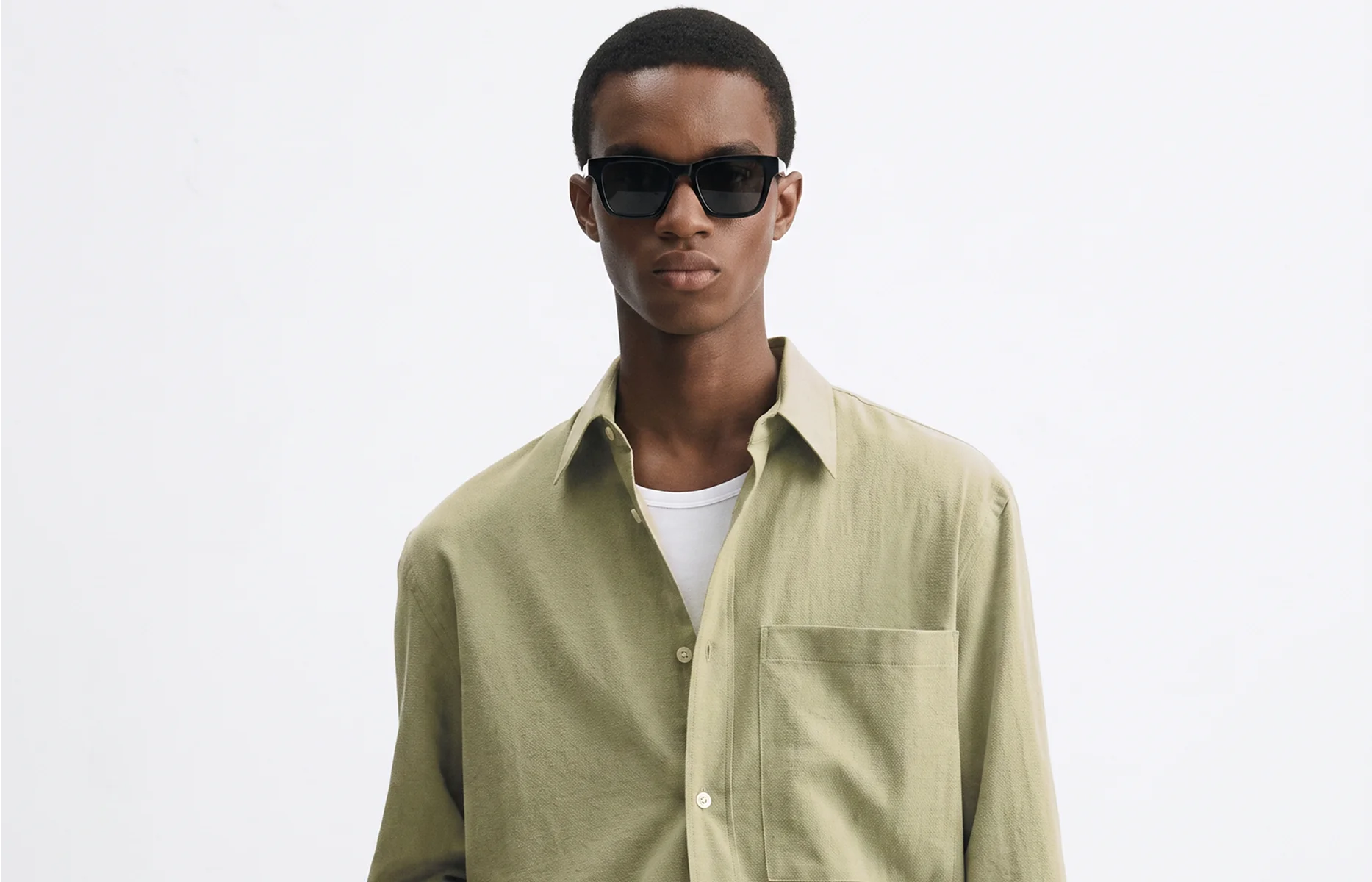
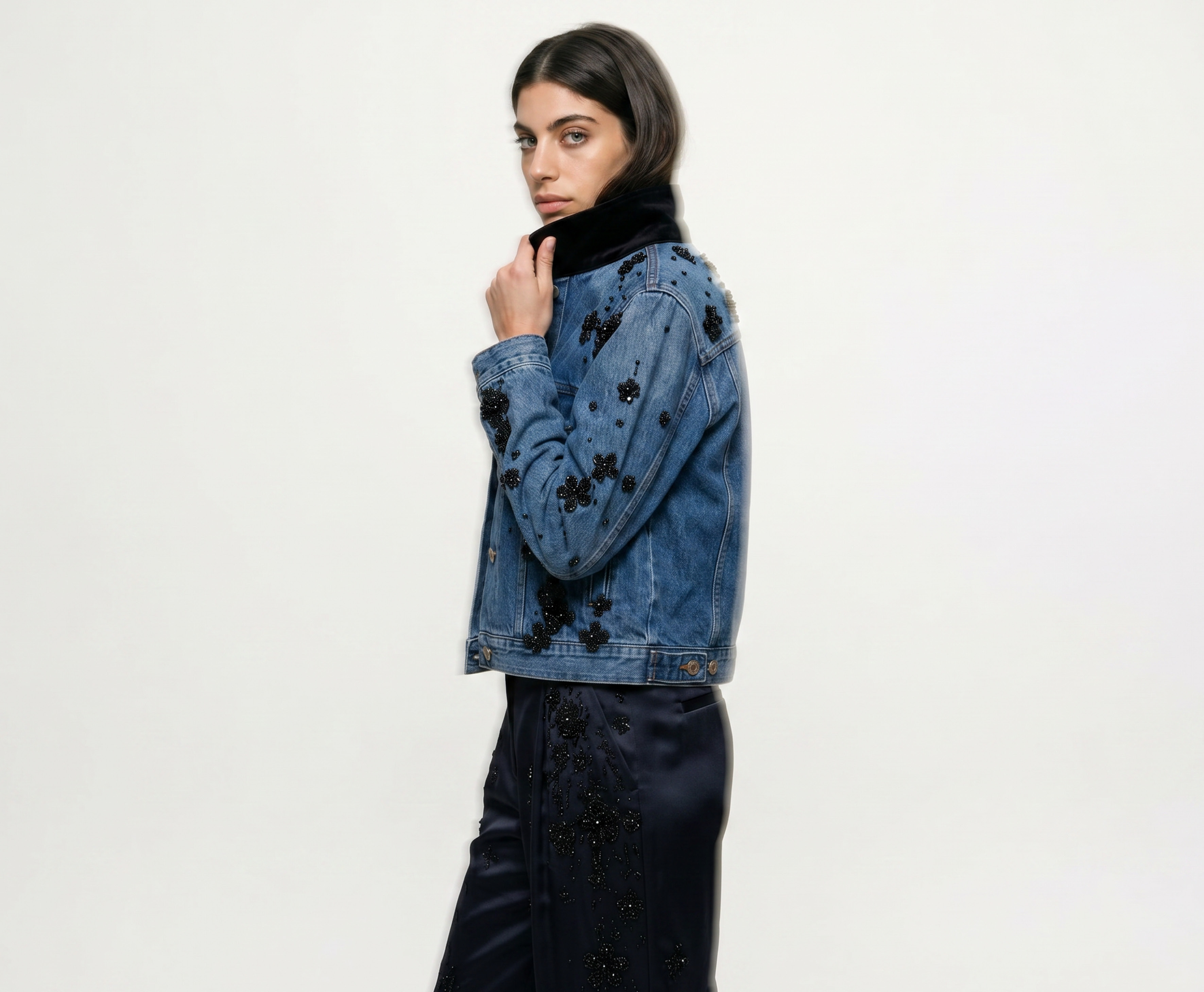
At the core of Graswald AI's approach is the ability to create custom virtual model avatars built to a brand's exact specifications: skin tone, body shape, age range, personality, and aesthetic. These avatars are developed collaboratively with the brand's creative directors and are not approved until the brand is satisfied.
Unlike general-purpose AI tools, these avatars are consistent and reusable across the entire catalogue. The same approved AI fashion model appears across hundreds of SKUs, maintaining the coherent brand identity that drives recognition and conversion. And because these are digital assets rather than human beings, they can be produced in any combination - multiple body types, ages, and demographic profiles.
Solving niche model challenges
Some of the most compelling applications of Graswald AI's avatar system are in categories that have always been difficult and expensive to source. For example, pregnant AI avatars can be created to exact specifications and used consistently across a maternity range.
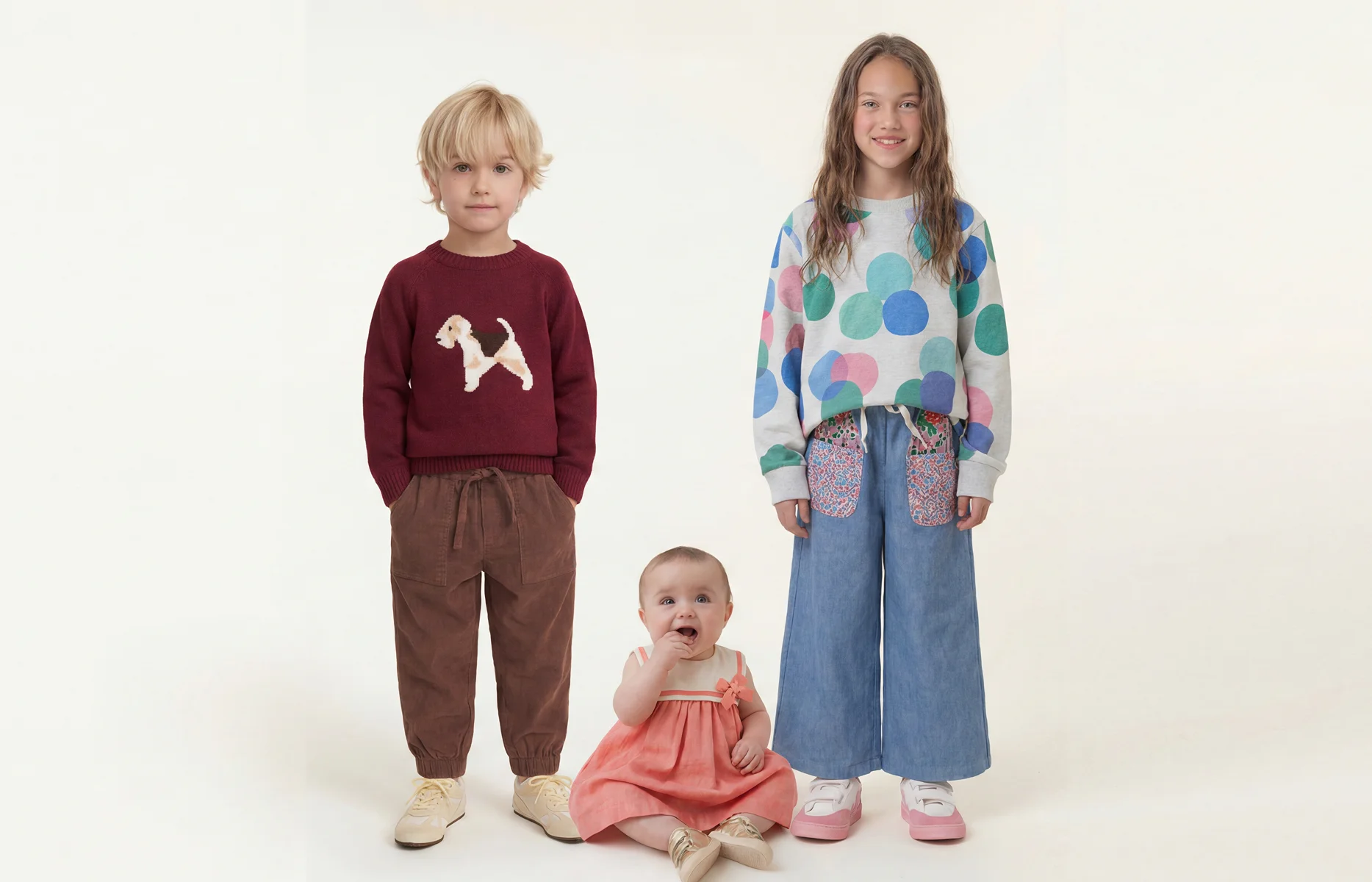
Or child avatars can be generated that eliminate the legal compliance, careful handling, and scheduling complexity that make children's wear shoots so demanding, while maintaining the authentic imagery the category requires.
What do brands gain from AI-powered personalisation?
Brands using Graswald AI reduce production costs significantly, get content to market faster, and represent more of their customer base without increasing budgets. The result is higher conversion, fewer returns, and the ability to test and optimise model personas against specific product categories at scale.
- Lower production costs. Eliminating model fees, studio bookings, hair and makeup, and sample logistics means brands can finally afford the diverse content they already know they need, without increasing budgets. The same spend that previously funded a limited number of shoots can now support content production across multiple markets, body types, and demographic segments simultaneously.
- Faster content for more markets. Regional teams can adapt centrally produced content for their local audience in days or hours rather than weeks, without running separate shoots or navigating lengthy HQ approval cycles.
- Reduced returns. Showing products on multiple body types gives customers a more accurate sense of how a garment will fit their own shape. According to Statista, three-quarters of online shoppers who return clothing cite fit issues as the reason, and more than half say the product didn't match what they saw online. Better imagery across more body types directly addresses both problems.
- Smarter model decisions. Brands can test different virtual model personas against specific garment categories to learn what converts, without committing to multiple shoot days to find out. The flexibility of the avatar system makes A/B testing a practical operational tool rather than an occasional experiment.
The key takeaway: brands that personalise at scale with AI will win
For most enterprise ecommerce brands, the gap between the ideal personalised content they know drives conversions - and what they can actually afford to produce - has been a painful one.
Graswald AI solves this challenge by allowing brands to produce diverse, locally relevant content at a fraction of the cost. The result is content that represents more customers, resonates in more markets, and is produced with the brand accuracy and consistency that creative directors demand.
See Graswald AI in action. Book a demo and find out how your team can produce personalised, market-ready content at scale, starting this season.
Quick answers to common questions
.webp)






-p-1600.webp)

.webp)