.webp)
How to Scale On-Model Imagery for Fashion E-Commerce - a 2026 Peak Season Guide
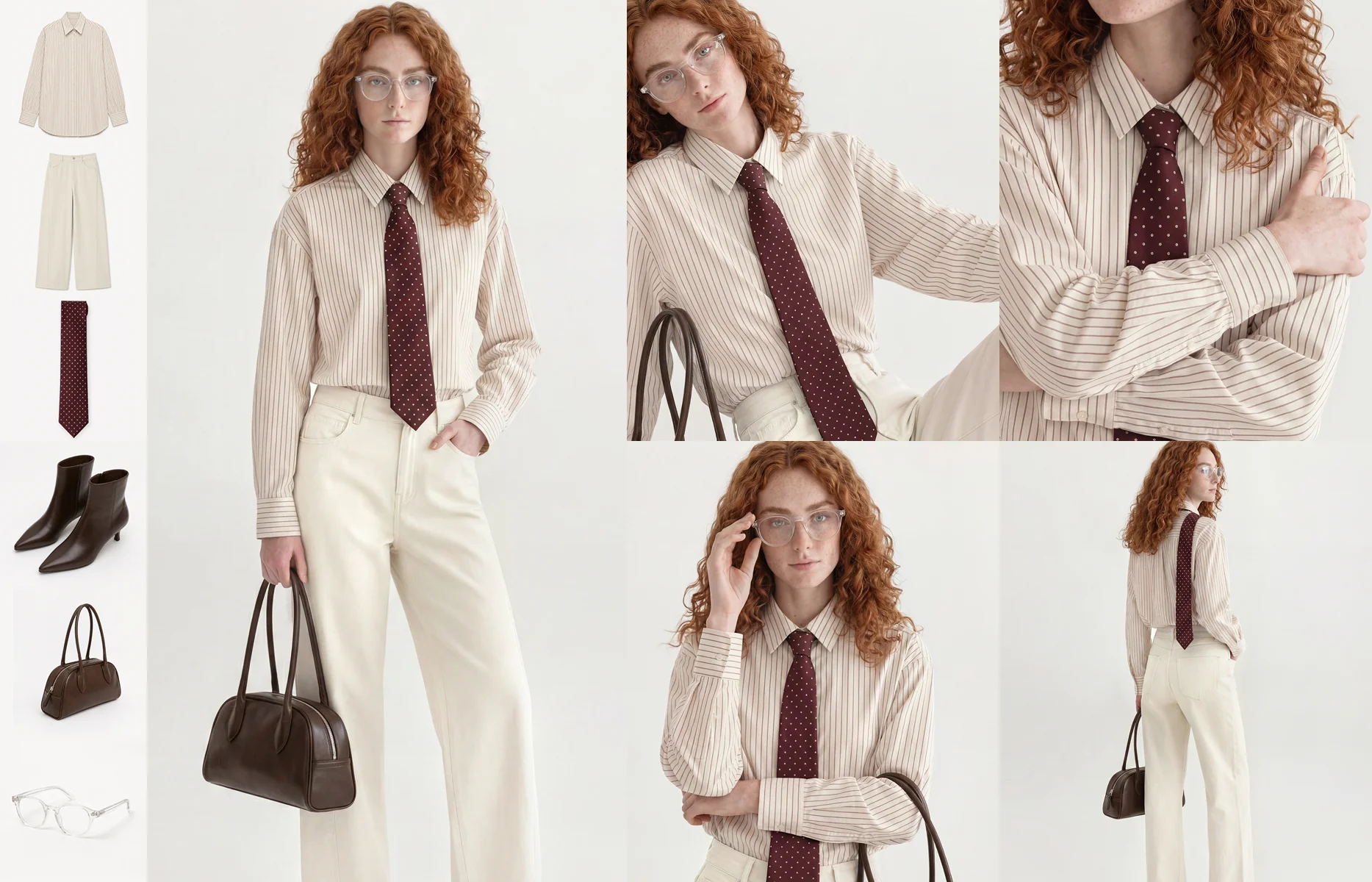
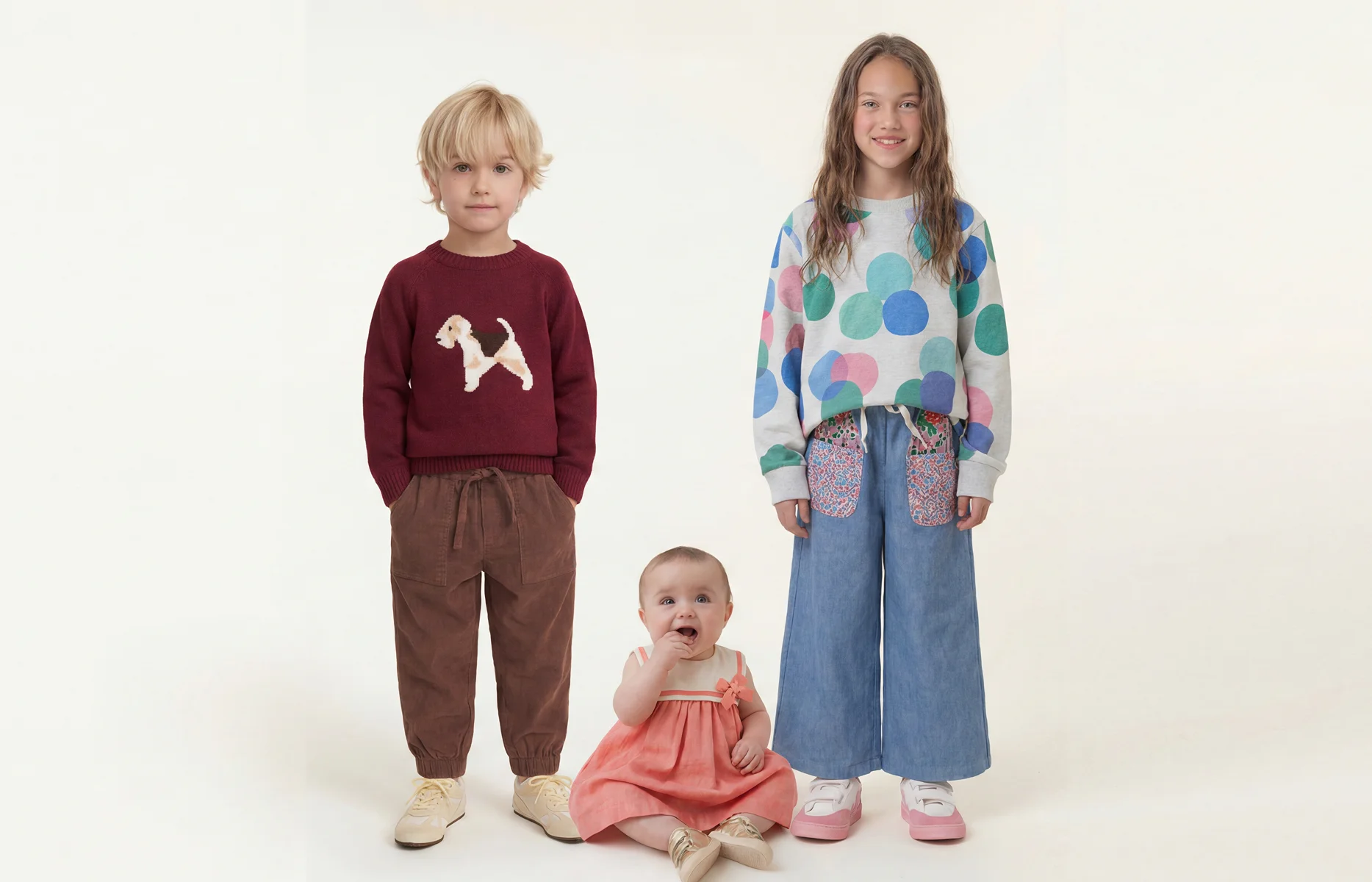
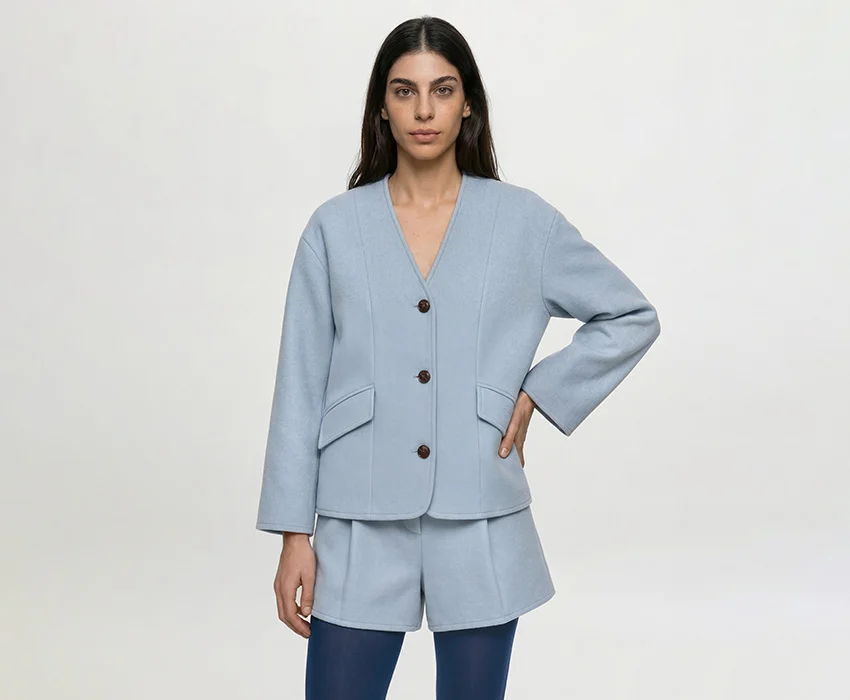
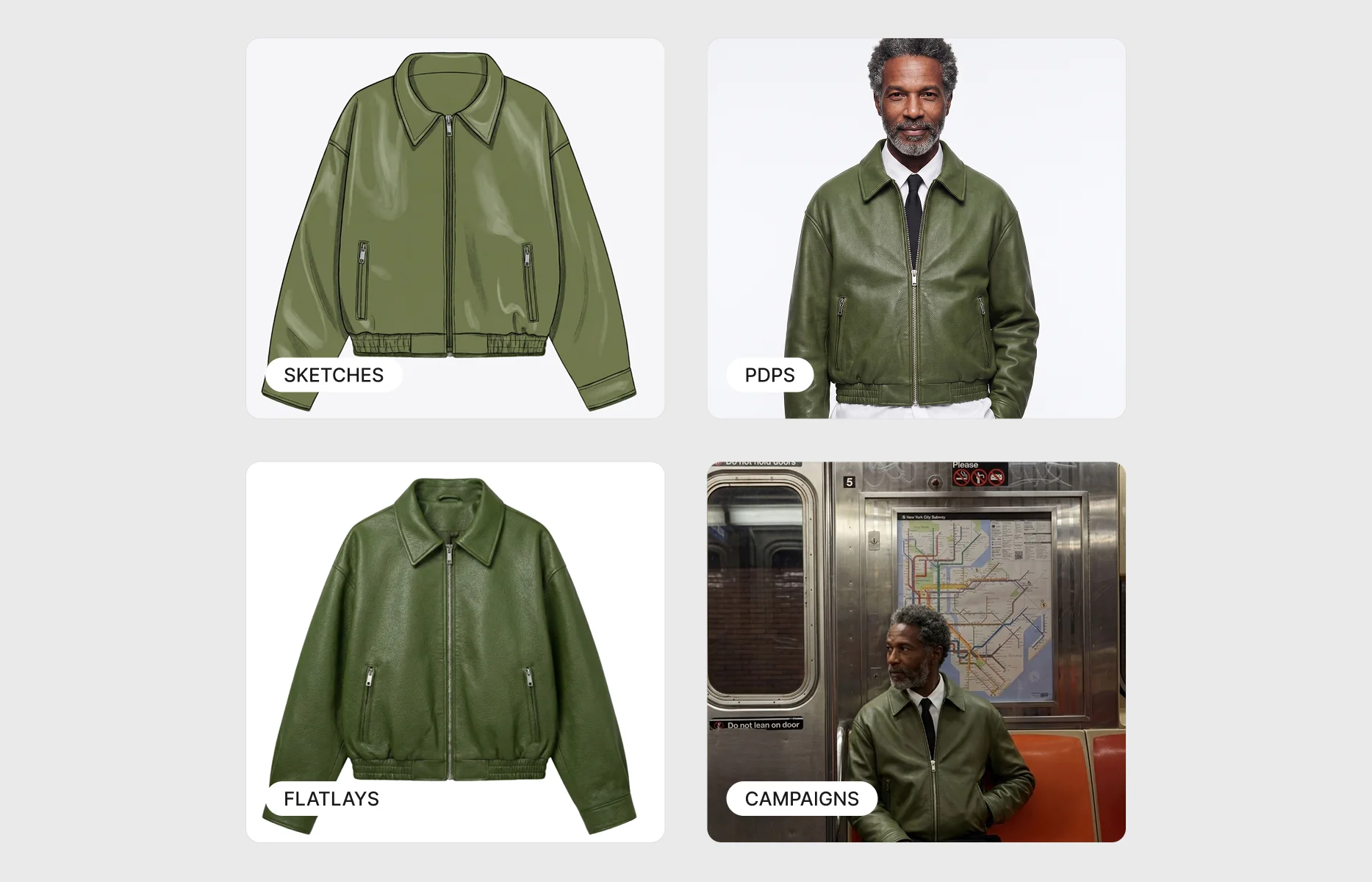
Fashion brands scale on-model imagery by generating it with AI from inputs they already hold - packshots, ghost mannequin shots, flat lays, or sketches - rather than adding shoot days. A brand-calibrated platform applies the brand's own AI avatars, poses, and shot list across every SKU, so full-catalogue coverage is ready before peak season traffic arrives.
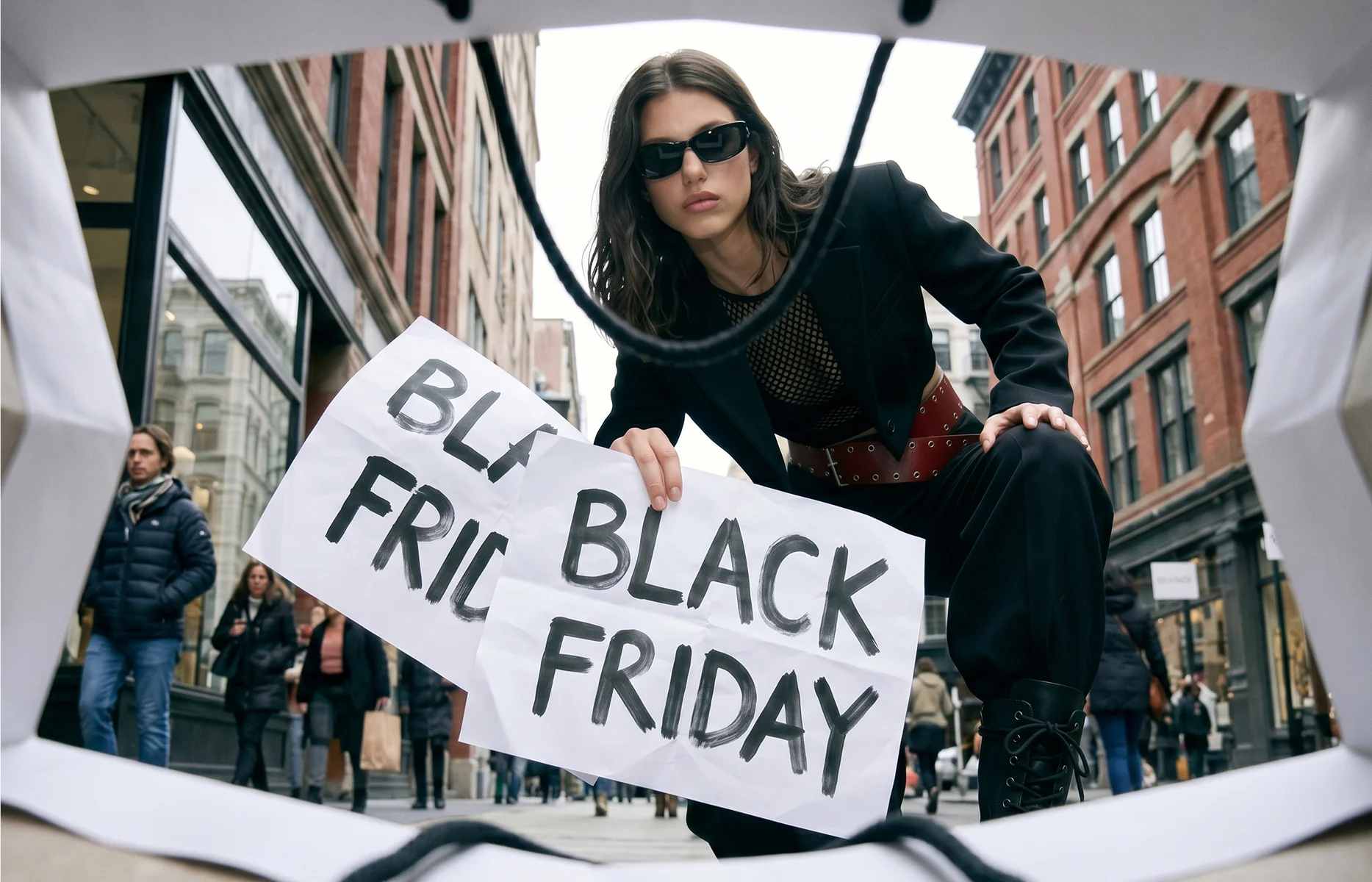
It is July, which means peak season has already started - just not the part your customers see. Merchandising plans for Black Friday and the Christmas window are being locked. Campaign concepts are moving into production. And somewhere in the e-commerce team's tracker sits a familiar list: the SKUs that will go live this autumn without on-model imagery.
Every fashion e-commerce team knows this list. The hero styles are covered - they were shot first, with the best avatars of the campaign budget behind them. The long tail is not. Those garments will launch on ghost mannequins, flat lays, or supplier packshots, and during the highest-traffic weeks of the year they will sit on PDPs looking exactly as under-served as they are.
The question this guide answers is how to close that gap before November, at a catalogue scale of hundreds or thousands of SKUs, without booking a single additional shoot day.
Why can't traditional shoots cover a full catalogue?
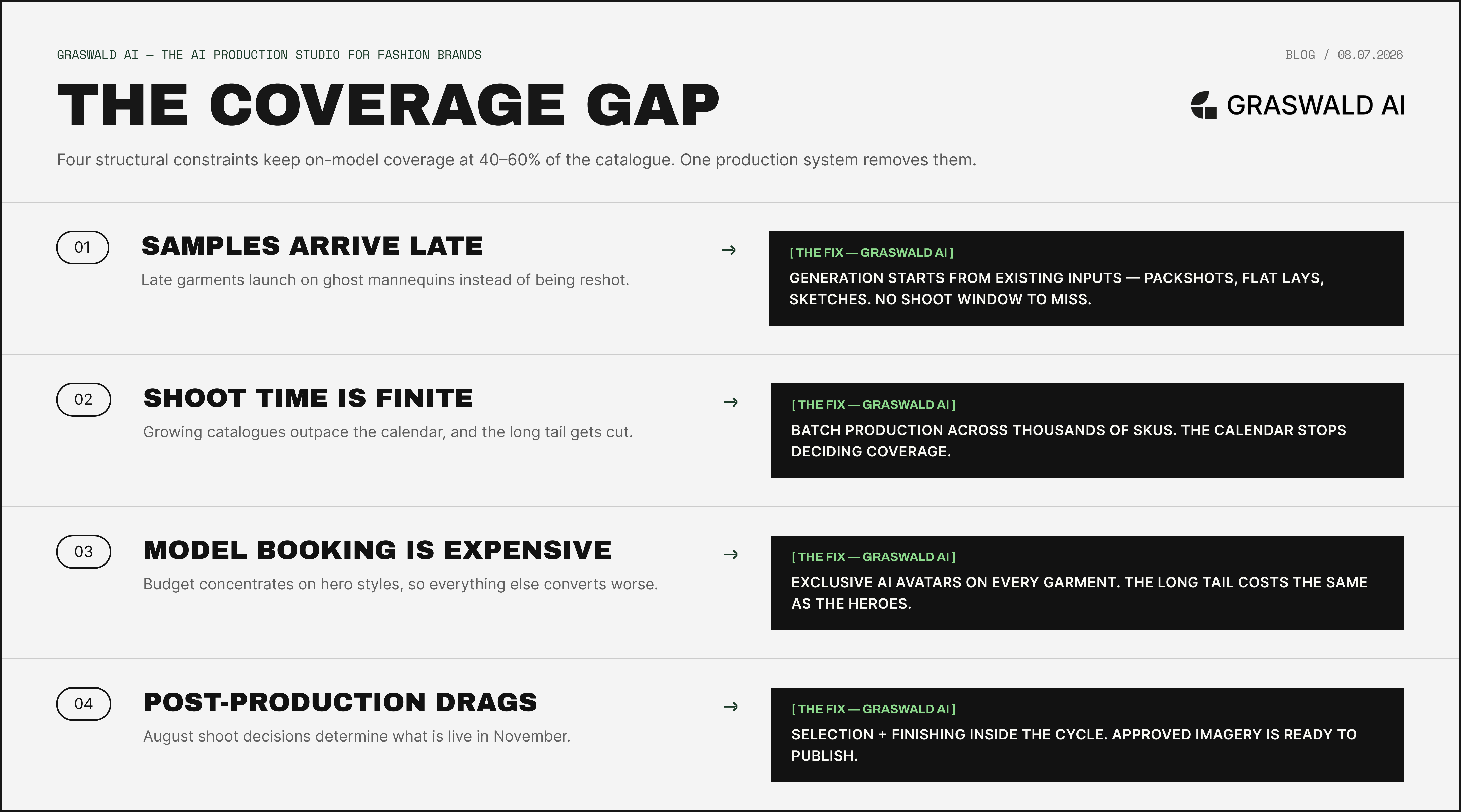
The coverage gap is not a planning failure. It is structural, and it comes from four constraints that every fashion brand runs into regardless of how well the shoot calendar is managed.
Samples arrive late. Shoot dates are fixed months ahead; sample deliveries are not. Any garment that misses its shoot window drops to the next one, and by the time the next window opens, the priority list has been rewritten around newer styles. Late samples do not get reshot. They get ghost mannequins.
Shoot time is finite. A shoot day produces a fixed number of looks, however efficiently it runs. When the catalogue grows - more colourways, more drops, more markets - the shoot calendar does not grow with it. Something has to be cut, and it is never the hero styles.
Model booking is expensive. Booking talent, studio space, photography, styling, and post-production for the full catalogue is financially unviable for most brands. So the budget concentrates on the styles expected to convert best, which quietly guarantees that everything else converts worse.
Post-production drags. Even the garments that do get shot spend weeks in selection, retouching, and approval before they reach the PDP. For peak season, that lead time means shoot decisions made in August determine what is live in November - with no room to react to what actually sells.
In our conversations with fashion brands, the result of these four constraints is remarkably consistent: on-model coverage typically lands at 40-60% of the catalogue. The remainder launches with substitute imagery and, in most cases, stays that way for the life of the product.
During peak season this gap is at its most expensive. The weeks around Black Friday and Christmas concentrate the year's highest traffic and fullest margins into the shortest window. Every PDP that goes into that window with a flat lay instead of on-model imagery is a garment given its worst presentation at exactly the moment presentation matters most.
What brands try instead - and why it falls short
Most fashion brands have already attempted to close the gap. The attempts tend to follow the same sequence.
More shoot days. The direct answer, and the first one budgets get asked for. It scales linearly at best: double the coverage requires roughly double the cost, and it does nothing about the sample-timing problem. The garments that missed the shoot still missed it. For a catalogue running into thousands of SKUs per season, the arithmetic never closes.
Ghost mannequins and flat lays as the standard. Some teams stop treating substitute imagery as a stopgap and make it the default for the long tail. It is honest about the constraint, but it concedes the point: part of the collection is presented to customers in a format the brand would never accept for its hero styles. Visual consistency across the catalogue - the thing brand teams spend years building - fractures along the line of the shoot schedule.
Outsourced or agency AI projects. Many brands have run a pilot with an agency producing AI imagery. The images were often good. The workflow rarely survived the pilot. One-off projects deliver a folder of finished files, not a repeatable production process, so the next drop starts from zero - a new brief, a new round of calibration, a new invoice. The scepticism many e-commerce leaders carry about AI imagery usually traces back to exactly this experience.
Self-serve AI image generators. Fast and cheap, and for a catalogue of 50 SKUs, sometimes workable. At enterprise scale the problems compound: avatars drift between generations, garment details distort, brand lighting and cropping standards are approximated rather than enforced, and there is no review workflow through which a production team can actually run thousands of SKUs. The output looks like AI imagery, which is precisely the outcome a brand cannot afford.
The pattern across all four is the same. Each treats the coverage gap as a photography problem - how to get more images made. But the gap is produced by the production system itself: fixed shoot windows, sample dependencies, linear costs, and post-production lead times. A solution that leaves that system intact inherits its limits.
Which AI tools can turn packshots into realistic on-model imagery for product pages?
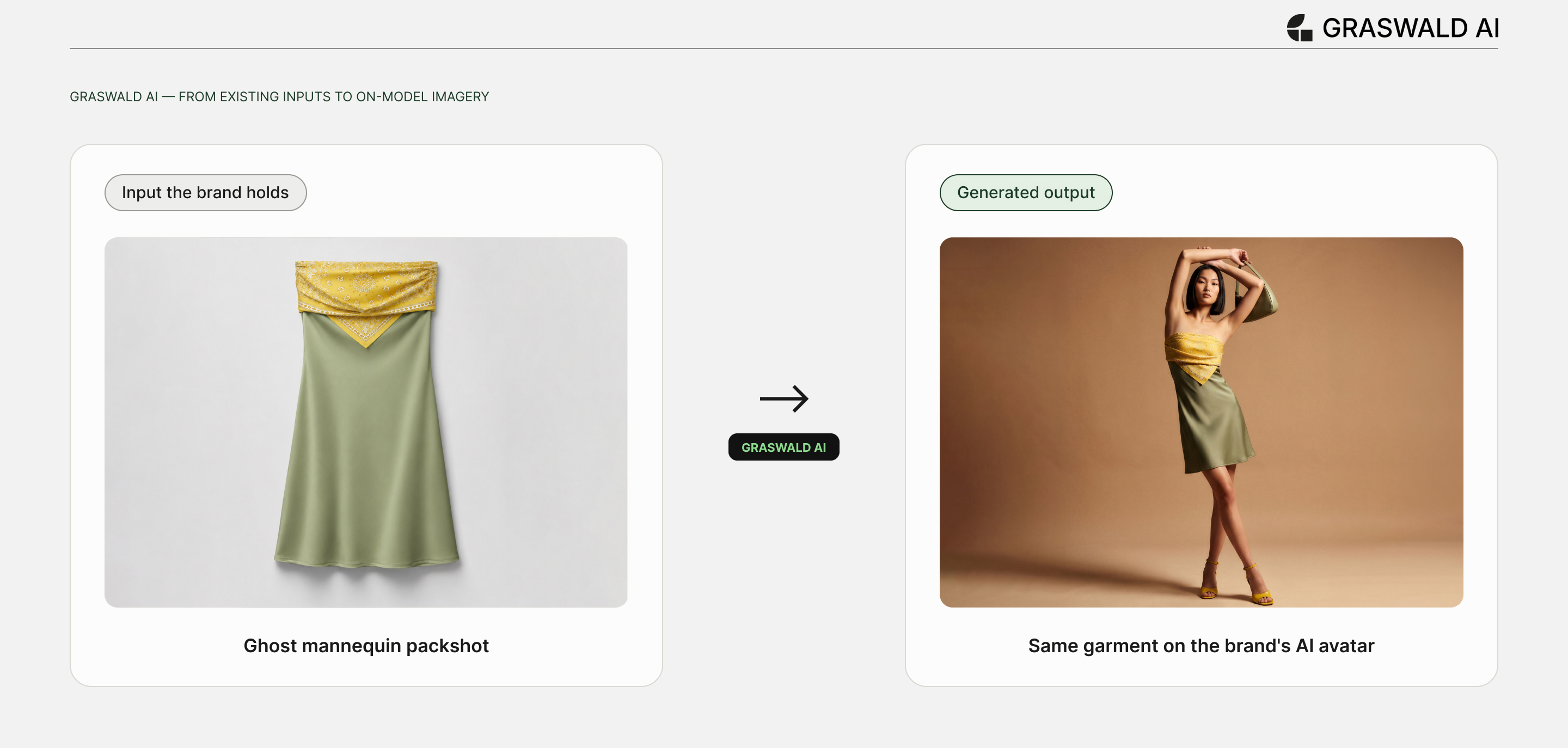
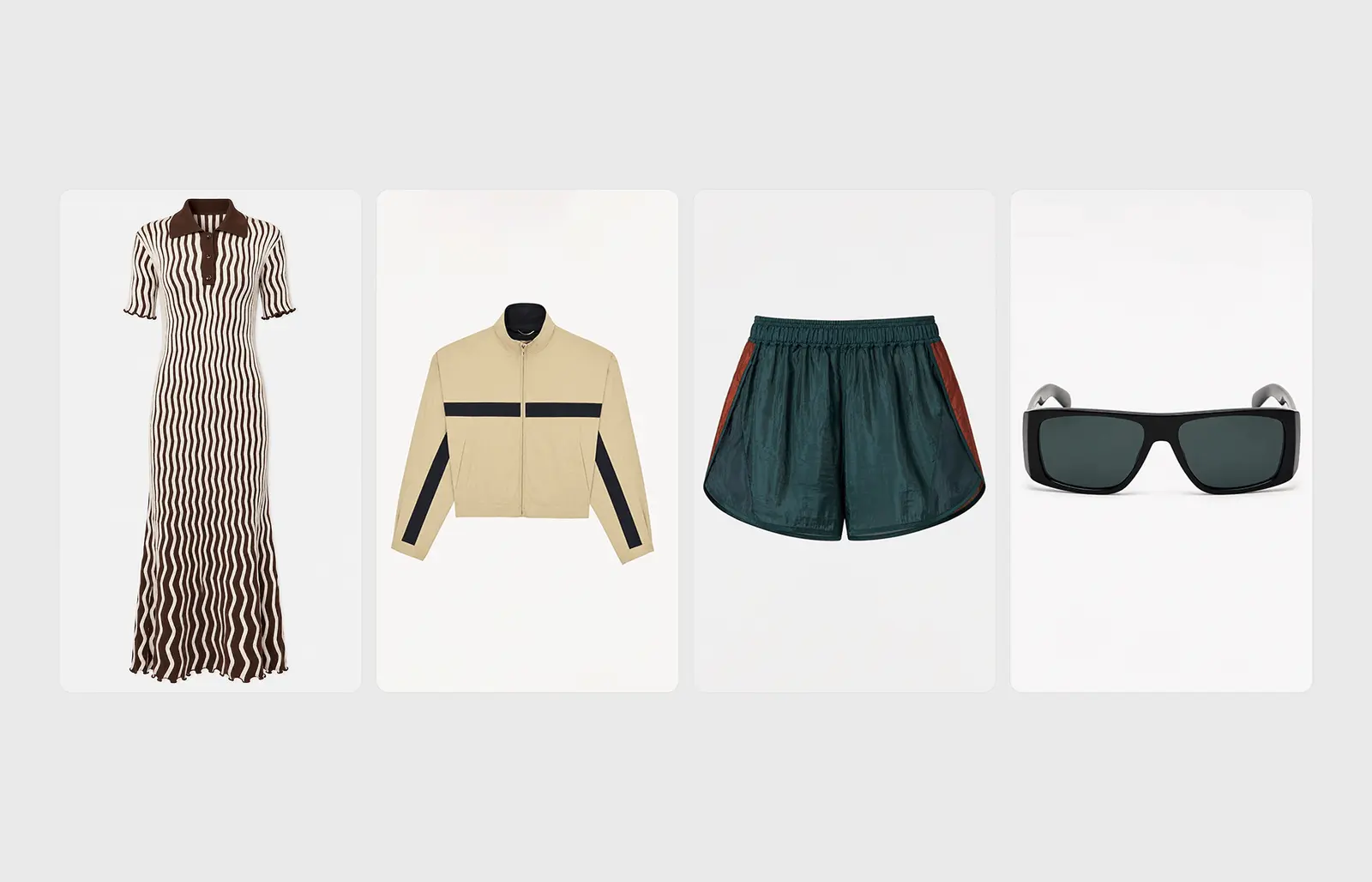
The category that actually closes the gap works from a different premise: the inputs already exist. By the time a garment reaches the e-commerce team, it has been photographed somewhere - as a supplier packshot, a ghost mannequin shot, a flat lay - or it exists as a sketch or tech pack from the design team. On-model imagery can be generated from those existing inputs, which removes the dependency on samples, shoot windows, and talent booking entirely.
For a fashion brand evaluating tools in this category, five requirements separate a platform that can carry a full catalogue from one that produces a good demo.
Input flexibility. The tool must accept the inputs the brand actually has - packshots, ghost mannequin shots, flat lays, sketches, tech packs - not require a specific photography format that reintroduces a production step.
Brand-calibrated output, not generic generation. The brand's own AI avatars, its lighting, its poses, and its cropping standards, applied automatically. If every image needs manual art direction to look on-brand, the tool has moved the bottleneck, not removed it.
Garment fidelity. Fabric texture, fit, drape, and colour accuracy at a standard indistinguishable from studio photography. In fashion, a beautiful image of a slightly wrong garment is a returns problem wearing a nice outfit.
A production workflow, not a generation button. Batch processing across thousands of SKUs, review and approval built in, clear visibility of what is in progress, what needs sign-off, and what is ready to publish. Enterprise catalogues are managed by teams, and the tool has to be operable by a team.
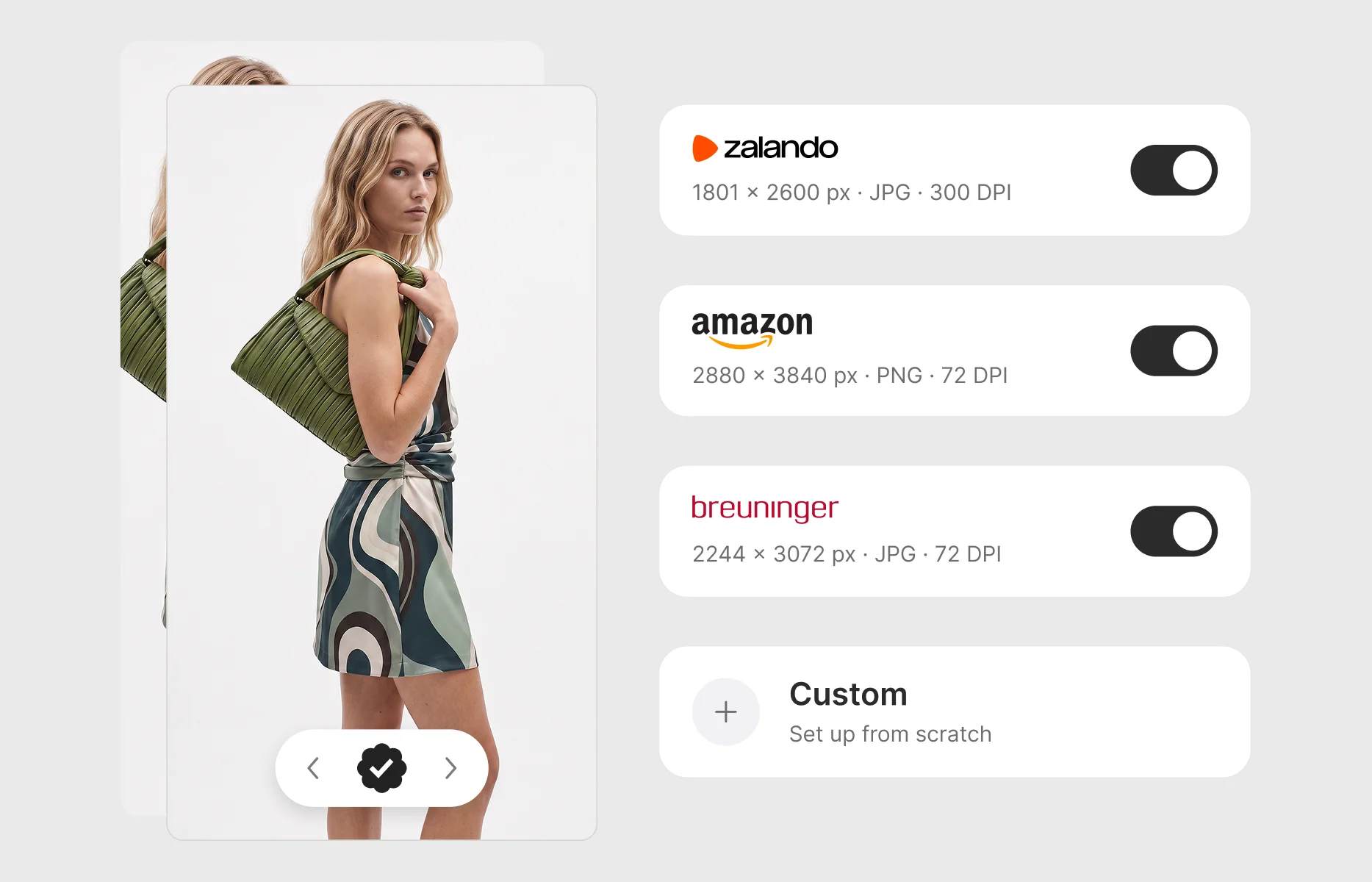
Integration with existing systems. Product data should flow in from the PIM, and finished imagery should flow out to the DAM and channels, with naming and categorisation handled automatically. A tool that lives outside the existing pipeline adds a manual handover for every SKU it touches.
How do enterprise fashion teams keep AI-generated imagery on-brand at scale?
This is the question that decides whether AI-generated imagery is viable at all for an enterprise brand, so it is worth answering precisely.
Brand consistency at scale comes from calibration, not generation-by-generation prompting. The brand's visual identity is defined once - exclusive AI avatars cast for the brand, the shot list, the poses, the cropping, the lighting - and then enforced automatically across every SKU that runs through the pipeline. Consistency stops being something a retoucher checks image by image and becomes a property of the production system.
Three practices matter in operation.
Exclusive avatars, not shared ones. Avatars used across many brands produce catalogues that look like each other. Enterprise teams work with AI avatars cast and calibrated for their brand alone, so the faces on the PDP belong to the brand the way contracted talent does.
Preset shot lists applied automatically. The shot list is set once - front, back, detail, crop ratios, pose sequence - and applied identically to every garment. A customer scrolling from a hero style to a long-tail style should see no difference in treatment.
Human review as a workflow stage, not a rescue operation. Generated imagery moves through the same review and approval that shot imagery does. The team stays in creative control; the platform executes the direction at scale. Approval is the gate to publishing, which is how thousands of images ship without a single off-brand frame going live.
Handled this way, the interesting thing is that consistency actually improves relative to traditional production. Shoots vary - different days, different photographers, different light. A calibrated pipeline does not.
Scaling on-model imagery with Graswald AI
This production-system approach is what Graswald AI is built for. Graswald AI is the AI production studio for fashion enterprises: a single platform where products are uploaded from the inputs a brand already holds, styled, generated on the brand's exclusive AI avatars, reviewed, approved, and published - at the scale of a full seasonal catalogue.
In practice, a peak season production cycle on Graswald AI looks like this. Products enter the platform manually or via CSV with their SKU data attached, in whatever form they exist - packshots, ghost mannequin shots, flat lays, sketches, or tech packs. The team selects the garments to be produced, styles them into the relevant outfits, and starts generation using the brand's pre-selected avatars, poses, and cropping. A Kanban-style board gives the team visibility of every SKU's status - in progress, in review, approved - so a catalogue-scale production run is managed the way production teams already manage work. Approved imagery is final and ready to publish; there is no post-production tail, because selection and finishing happen inside the cycle.
Because generation starts from existing inputs, the constraints that create the coverage gap simply do not apply. A sample that arrives after the shoot window is not a problem, because there is no shoot window. A colourway added late in the season is a styling variation, not a rebooking. The long tail costs the same per image as the hero styles, so there is no economic reason to leave it on a ghost mannequin.
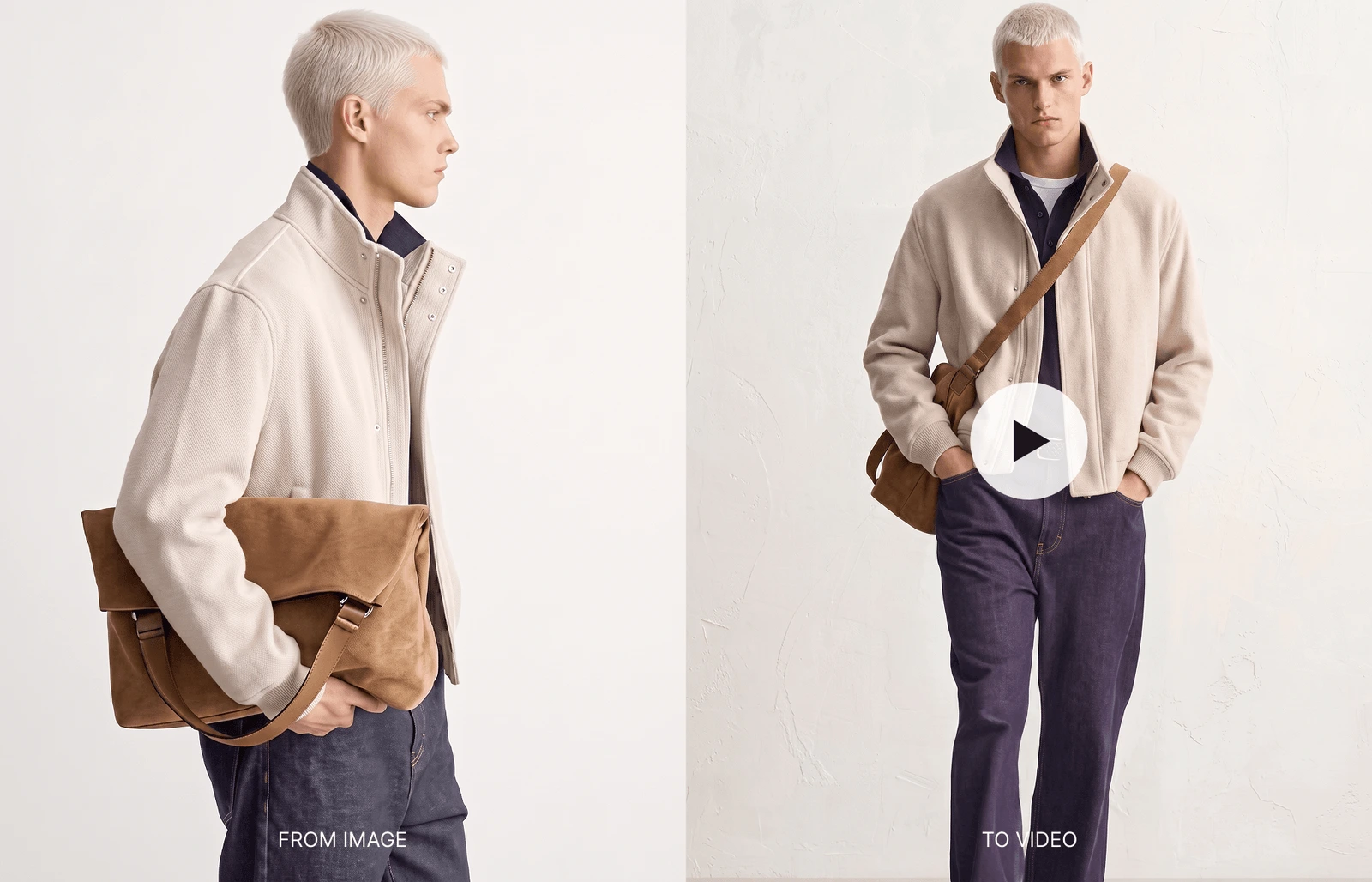
And once the still imagery exists, Graswald AI's image-to-video tool turns approved on-model images into short, on-brand PDP videos - which matters in a peak season where customers are comparing garments quickly and motion is often what makes fit and fabric legible.
For brands that rely on us, the practical outcome is the one that matters in November: every SKU launches with its best imagery, produced in days rather than weeks, without a single additional shoot day on the calendar.
The peak season timeline: working back from Black Friday
For a brand starting now, the calendar works backwards from late November.
July - decide and calibrate. Evaluate, select, and begin brand calibration: avatar casting, shot list definition, lighting and cropping standards. This is the step with a real lead time, which is why peak season production is decided in summer, not October.
August - pilot on a live drop. Run a contained production cycle on a real collection segment. Validate garment fidelity, review workflow fit with the team, and confirm PIM and DAM integration, so the process is proven before volume arrives.
September to October - produce the catalogue. Run the long tail, the late samples, and the colourway expansions through full production cycles. Because cycles complete in days, there is room to sequence by commercial priority and still finish with margin.
Early November - final gaps and video. Late arrivals and last-minute additions go through the same pipeline. Approved stills are extended into PDP videos for the styles carrying the heaviest peak traffic.
The brands that enter Black Friday with full on-model coverage are not the ones with the biggest shoot budgets. They are the ones that stopped letting the shoot calendar decide which garments get their best presentation.
If you want to see what that looks like on your own collection, book a demo and we will run it on your imagery, not ours.
.webp)



-p-1600.webp)

.webp)