.webp)
How to scale fashion product video across your catalogue without filming every SKU
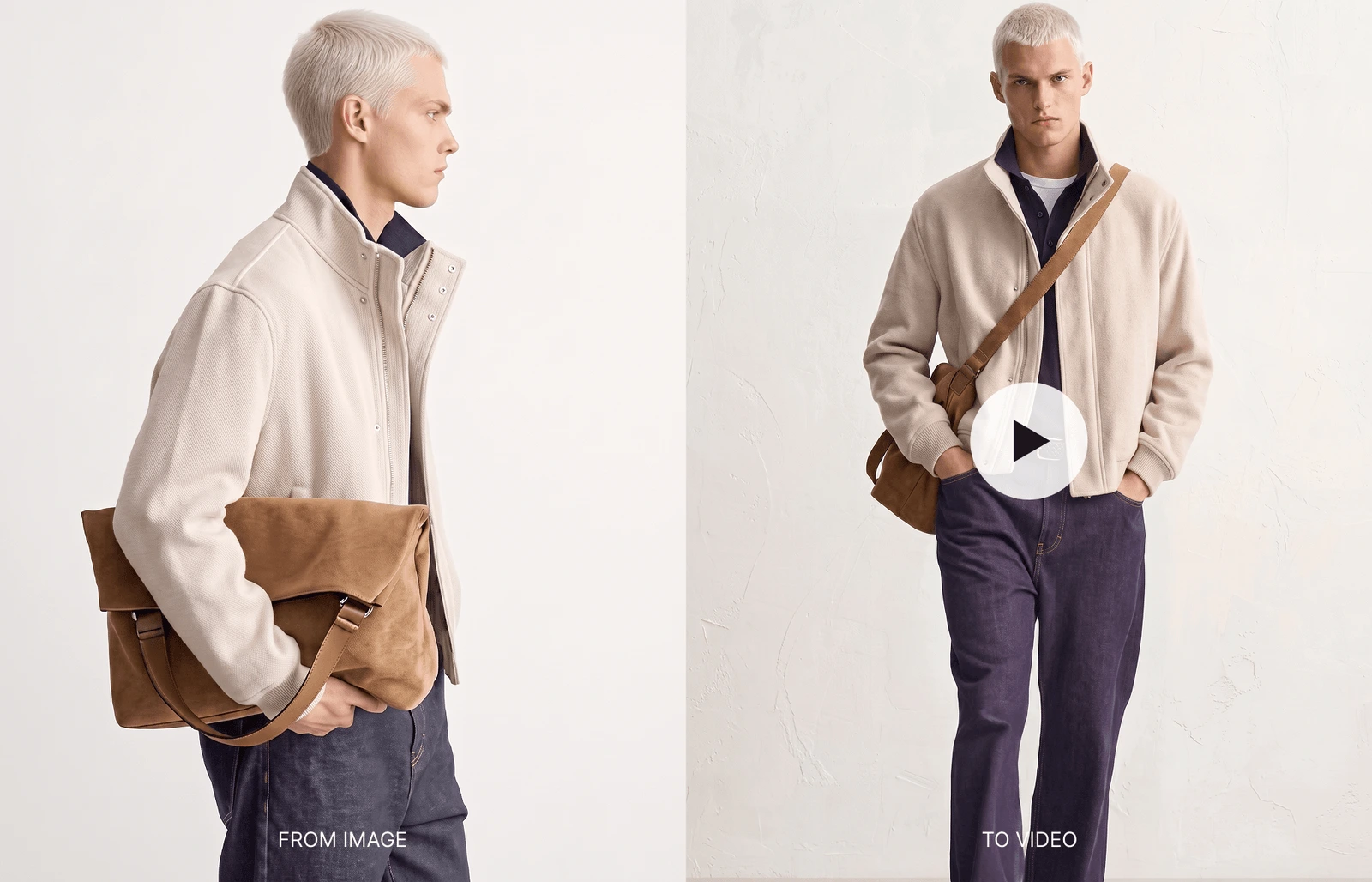
Fashion brands are no longer asking whether video belongs on the PDP. That question has been settled by shoppers, who watch garments in motion before they buy, and by e-commerce teams, who have watched video outperform stills season after season.
The question now sitting with production and content teams is different: when a garment needs video, should it come from a shoot, or should it be generated from imagery the brand already has?
It is a genuine decision, and most teams are making it under pressure. A new collection is approaching, the shoot schedule is full, and someone has seen AI-generated video that looks good enough to raise the possibility seriously. What follows is usually a rushed comparison, made on the wrong terms, that leads either to dismissing AI fashion video too early or to expecting it to do a job it was never meant to do.
This article makes the comparison properly. What each approach costs, how each one scales, where a traditional shoot remains the right answer, and where AI fashion video changes what is possible across a catalogue.
Why the comparison usually gets made wrong
When a fashion brand first evaluates AI fashion video, the instinct is to put it next to the best video the brand has ever made. The hero campaign film. The launch piece with a director, a location, and a week of post-production.
Held against that, a generated clip loses. It was always going to. But that comparison answers a question nobody is actually asking, because no brand is choosing between a campaign film and a generated clip for the same garment. The campaign film covers a handful of hero styles. The real decision concerns everything else: the hundreds of SKUs, colourways, and late-arriving garments that will launch with no motion at all, because the shoot schedule was never going to reach them.
A quick definition before going further. AI fashion video - sometimes described as on-model video or garment video - is short-form product video generated from existing on-model imagery, using a brand's own AI avatars rather than filmed talent. The starting point is an approved image; the output is the garment in motion.
Framed correctly, the comparison is not "which produces the better film". It is "which production route should each part of the catalogue take". That is a question about economics, timelines, and coverage, and it has a clear answer once the two approaches are laid side by side.
What each approach actually involves
A traditional fashion video shoot is a production in the full sense. Concept and shot planning, crew, filmed talent, a studio or location, multiple set-ups per garment, and then an edit: cutting, grading, and versioning for each channel. A professional fashion video shoot typically runs from €10,000 to €50,000 and upwards depending on scope, with turnaround measured in weeks. The same structural economics that keep photoshoots from scaling across a catalogue - covered in detail in how e-commerce brands use AI to scale product imagery - apply to video, with the added weight of motion capture and post-production on top.
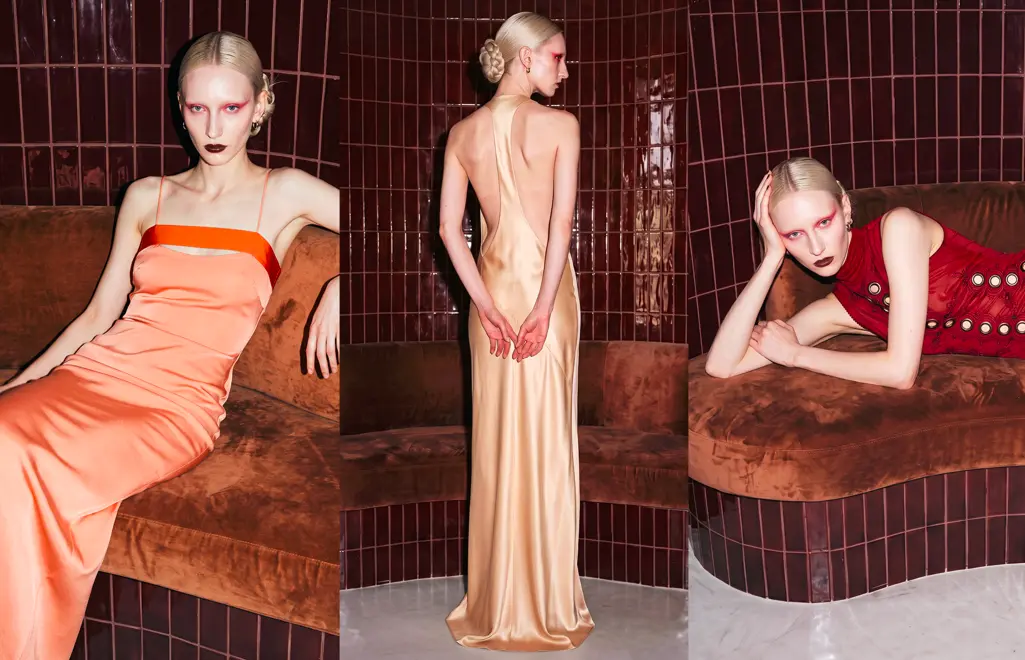
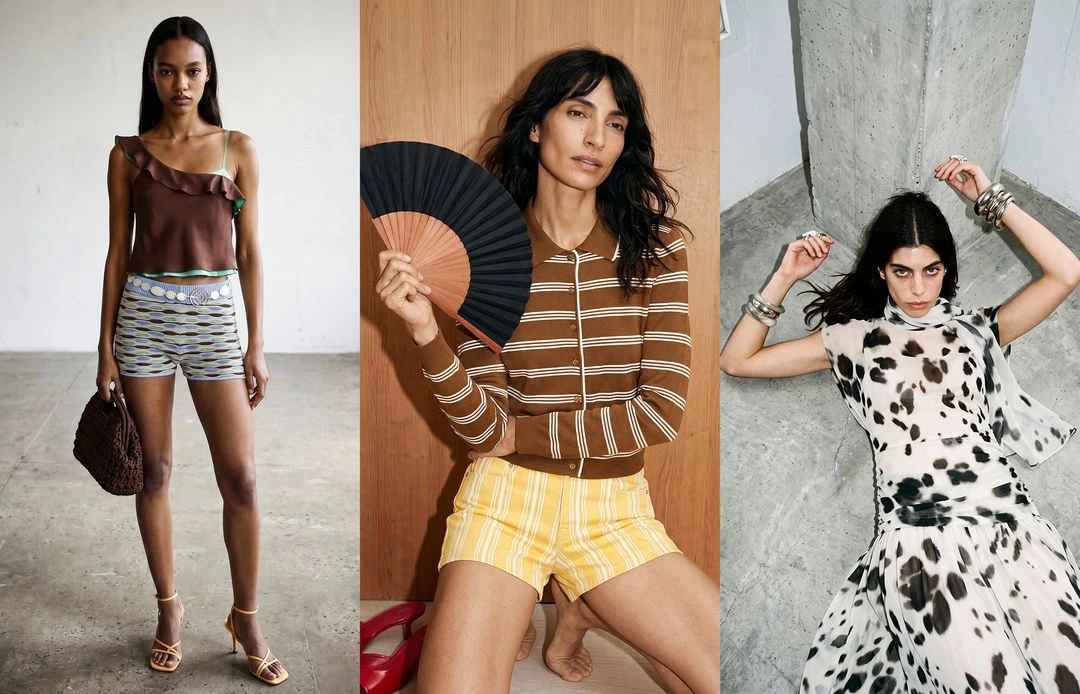
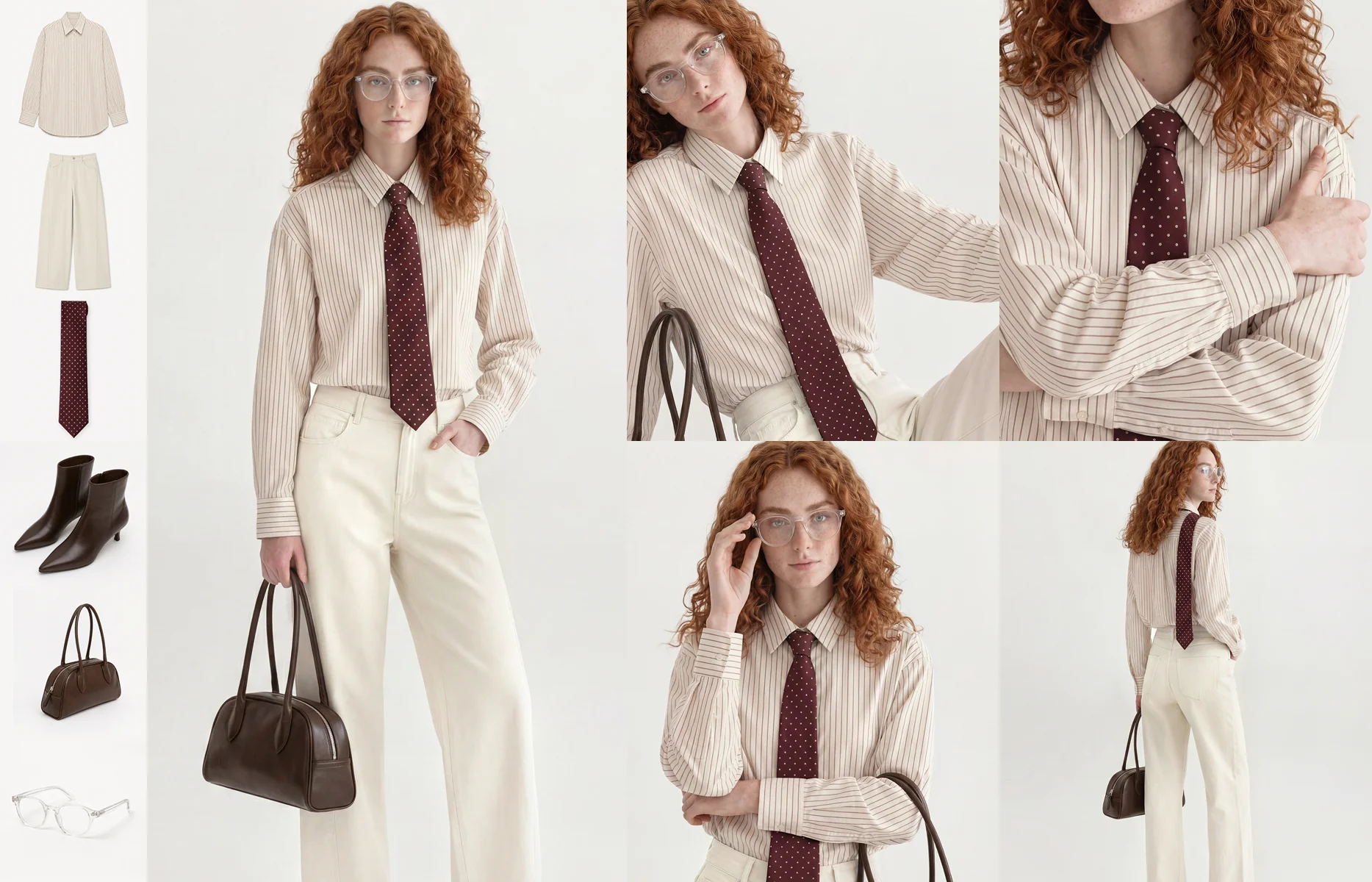
AI fashion video works from the other direction. The brand already has an approved on-model image: the right AI avatar, the right styling, the right lighting, the right crop. Generating video means adding motion to that approved image - the garment turning, the fabric settling, the avatar shifting weight - as a production step inside an existing workflow, rather than as a new production. There is no shoot day, no sample logistics, and no edit suite. The cost sits per generation rather than per production, and the turnaround sits in hours rather than weeks.
Neither description is a judgement. They are two different cost structures, and each one suits a different job.
AI fashion video vs traditional video shoots: the comparison
The table below compares the two approaches across the dimensions that matter for a fashion e-commerce catalogue.
Where traditional video shoots still win
It is worth being direct about this, because vendors in this space rarely are: there are jobs AI fashion video should not take.
The hero campaign film is one. When a brand is telling a story - a season's creative concept, a collaboration, a piece of brand-building that will lead paid media and the homepage - the craft of a directed shoot is the point. Filmed talent, a location with atmosphere, and an editor shaping a narrative produce something a generated clip is not designed to replicate, and does not need to.
Editorial motion is another. Lookbook films, behind-the-scenes content, and campaign work built on personality and place belong on set. These productions are scoped around a small number of hero styles precisely because each one carries so much creative weight.
The mistake is not commissioning these shoots. The mistake is expecting the same production model to also cover 800 SKUs, four colourways deep, across three marketplaces. It was never built for that, and the budget arithmetic confirms it every season.
Where AI fashion video wins
Everywhere the shoot schedule cannot reach - which, for most fashion brands, is most of the catalogue.
The long tail is the clearest case. The garments that never justify a shoot day individually, but collectively make up the majority of PDPs, can carry video at a per-garment cost that makes full coverage a workflow decision rather than a budget one.
Colourway expansions follow the same logic. A style filmed in one colourway and launched static in four others is a familiar compromise. When each colourway has its own on-model image, each one can have its own clip, and the compromise disappears.
Late samples stop being lost causes. A garment that arrived after the shoot window closed can still launch with motion, because the video is generated from imagery rather than filmed from a sample.
And channel variants become viable. Marketplaces and social channels each want their own formats and lengths. Producing those variants from a shoot means more edit time per garment; producing them from generated clips means selecting and stitching, which holds up at volume.
The decision, then, is not either/or. It is a sorting question: which garments get the directed shoot, and which get generated on-model video. For most catalogues the honest answer is a handful of the former and everything else the latter - and until recently, "everything else" simply got nothing.
How this works in practice: Graswald AI
Graswald AI is the AI production studio for fashion brands - the platform where teams generate on-model imagery from the inputs they already have, and where video is a step in that same workflow rather than a separate production.
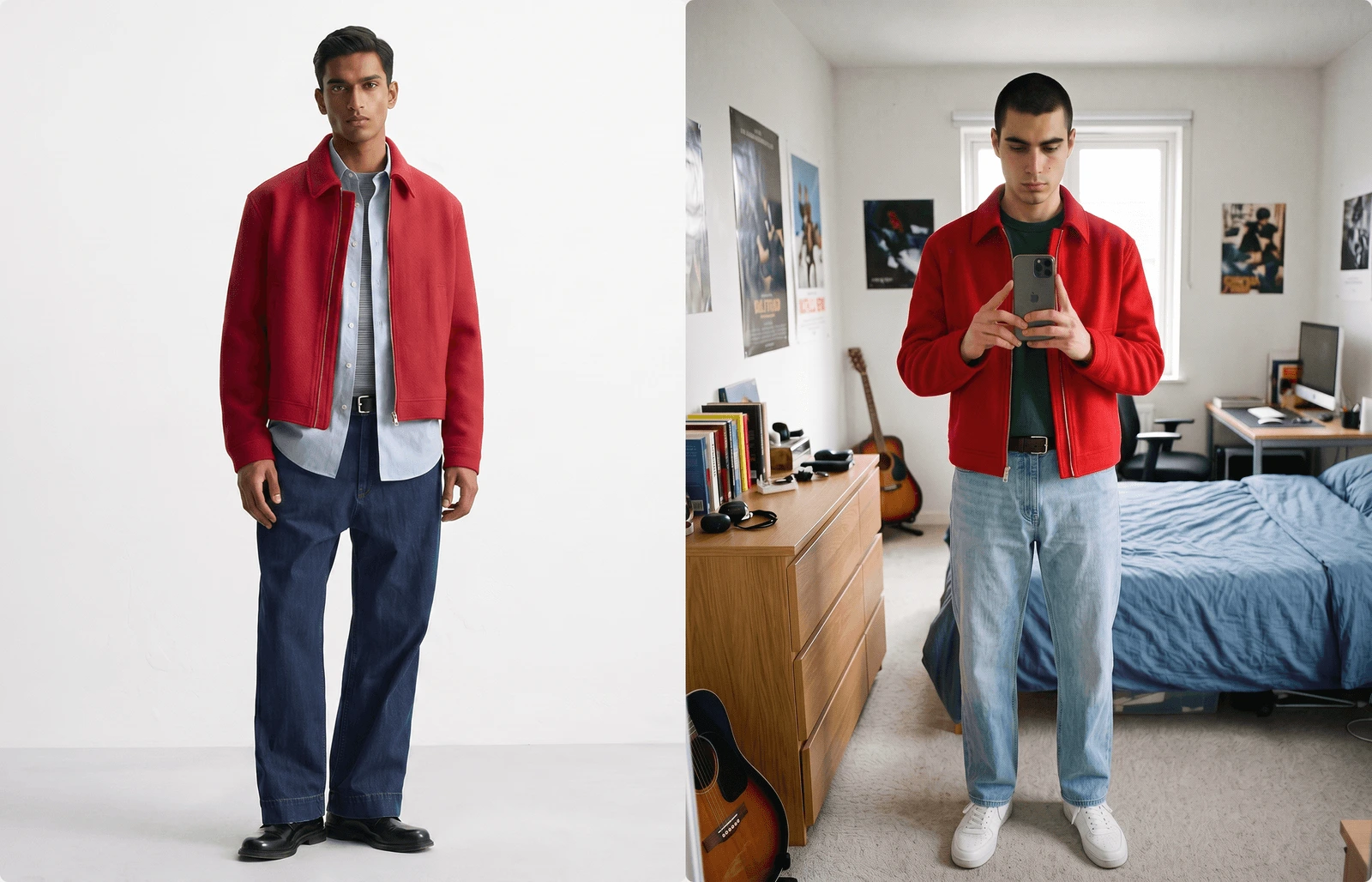
The sequence matters. An on-model image is generated, reviewed, and approved first, with the brand's own AI avatars, styling, and lighting locked in. Video generation then starts from that approved image, so the motion inherits everything that made the image on-brand. There is no fresh roll of the dice on proportions, styling, or avatar identity, which is what makes the approach safe to run across hundreds of SKUs rather than only the few a brand could afford to film.
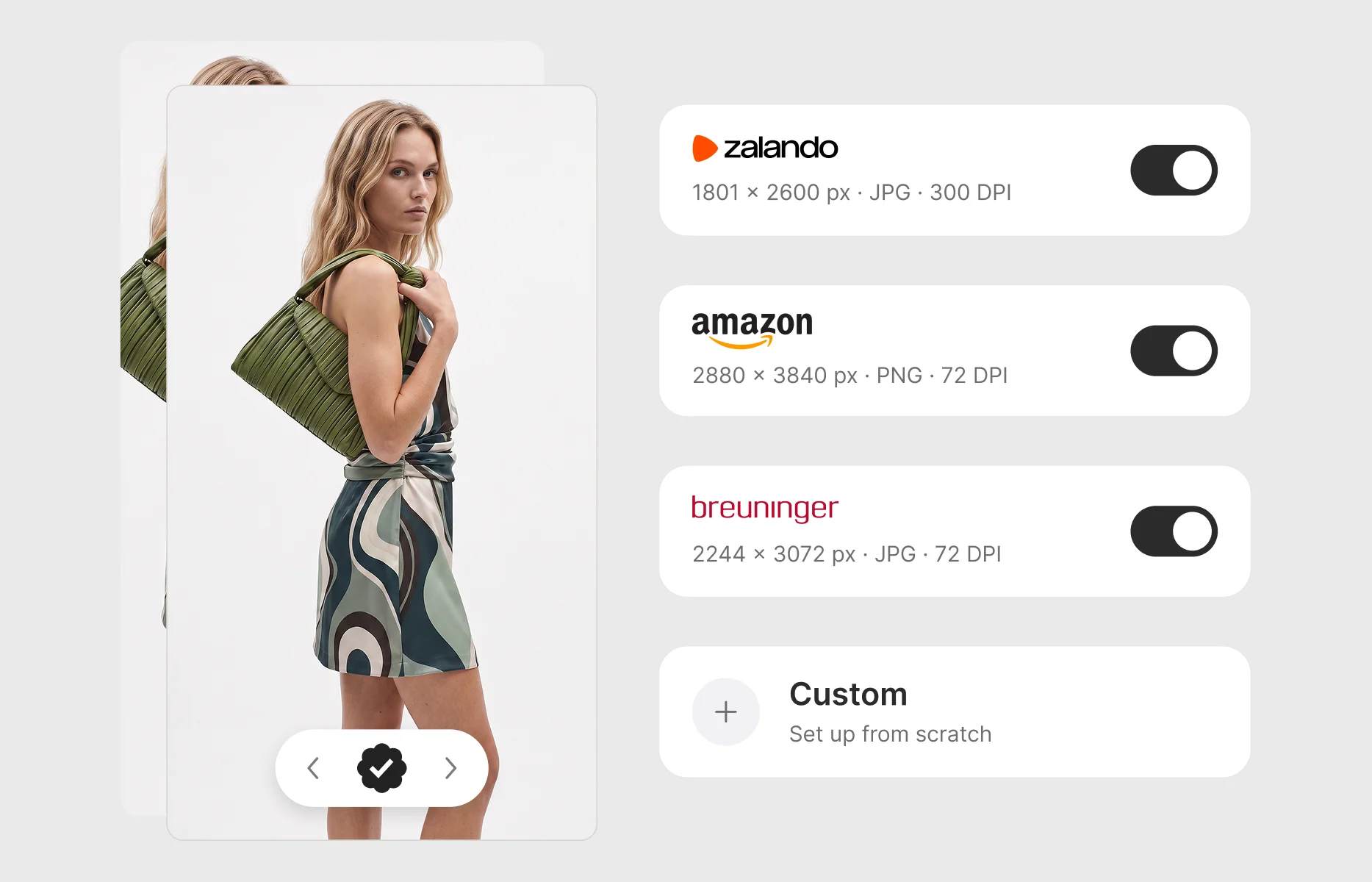
Clips are configured per view, reviewed with multiple variations to choose from, and stitched into a finished video ready for PDPs, marketplaces, and social channels. The full workflow, from enabling video on a project through to downloading the final file, is covered step by step in how to scale fashion product video across your catalogue without filming every SKU. And for brands starting further back - with packshots rather than on-model imagery - turning packshots into on-model imagery at scale is the step that comes first.
The result is the split this article has been describing, made operational: the directed shoot keeps the job it does best, and every other garment in the catalogue gets on-brand motion from the imagery the brand already owns.
Book a demo to see how AI fashion video fits your production workflow.
Frequently asked questions
Is AI fashion video good enough for PDPs?
Yes, when it is generated from approved on-model imagery rather than from open-ended prompts. Because the clip starts from an image that has already passed brand review, the avatar, styling, lighting, and crop carry through into the motion. The standard to hold it to is the PDP, where the job is showing how the garment moves, drapes, and fits.
How much does AI fashion video cost compared with a video shoot?
A traditional fashion video shoot typically runs from €10,000 to €50,000 and upwards per production, before the garment count is even considered. AI fashion video carries a per-generation cost per garment with no fixed production overhead, which is what makes video coverage viable across a full catalogue rather than only the hero styles.
Can AI fashion video replace video shoots entirely?
No, and it should not try to. Hero campaign films, brand storytelling, and editorial motion remain jobs for a directed shoot. AI fashion video covers what the shoot schedule cannot: the long tail, colourway expansions, late samples, and channel variants. Most brands end up running both, with each doing the job it is built for.
How do brands keep AI-generated video on brand?
By generating video from approved imagery rather than from scratch. When the starting frame is an on-model image featuring the brand's own AI avatars, with pre-set styling and lighting, the video inherits that identity. Consistency is enforced by the input, not corrected in post-production.
What is on-model video?
On-model video is short-form garment video showing a piece worn in motion - turning, settling, shifting weight - rather than as a static image. It is the video equivalent of on-model imagery, and it is typically used on PDPs, marketplaces, and social channels to show how a garment behaves when worn.
.webp)



-p-1600.webp)

.webp)